Sukulwenkosi Dube-Matutu [email protected]
CASES of underage girls engaging in sexual relationships with elderly men remain a concern in Matabeleland South, with some only coming to light after the girls fall pregnant, hampering efforts to prevent HIV transmission.
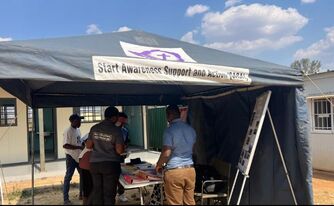
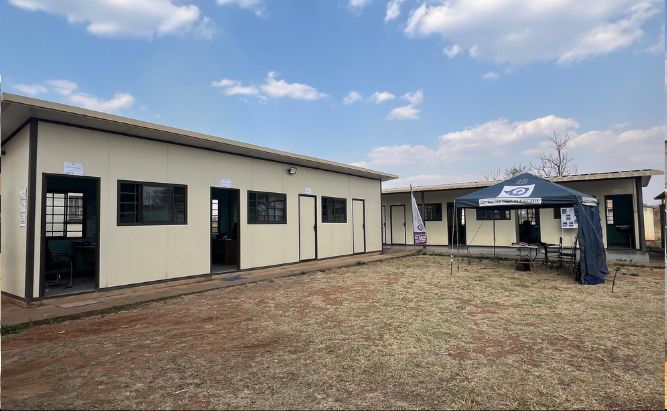
The National AIDS Council (NAC), through the Umzingwane One-Stop Centre and the Start Awareness Support Action (SASSA) model, is stepping up efforts to tackle sexual and gender-based violence (SGBV) targeting adolescent girls and young women.
Statistics from the centre show that five adolescents tested HIV-positive following abuse between January and September 2025, out of 122 adolescent girls and young women tested, representing a 4,1 percent yield.
The centre, managed by the Zimbabwe Association of Church-Related Hospitals (ZACH), was established in 2018 with funding from The Global Fund through the United Nations Development Programme (UNDP) and NAC.
Thirty SASSA champions have been deployed across 10 wards in Umzingwane District to raise community awareness and help identify cases of gender-based violence.
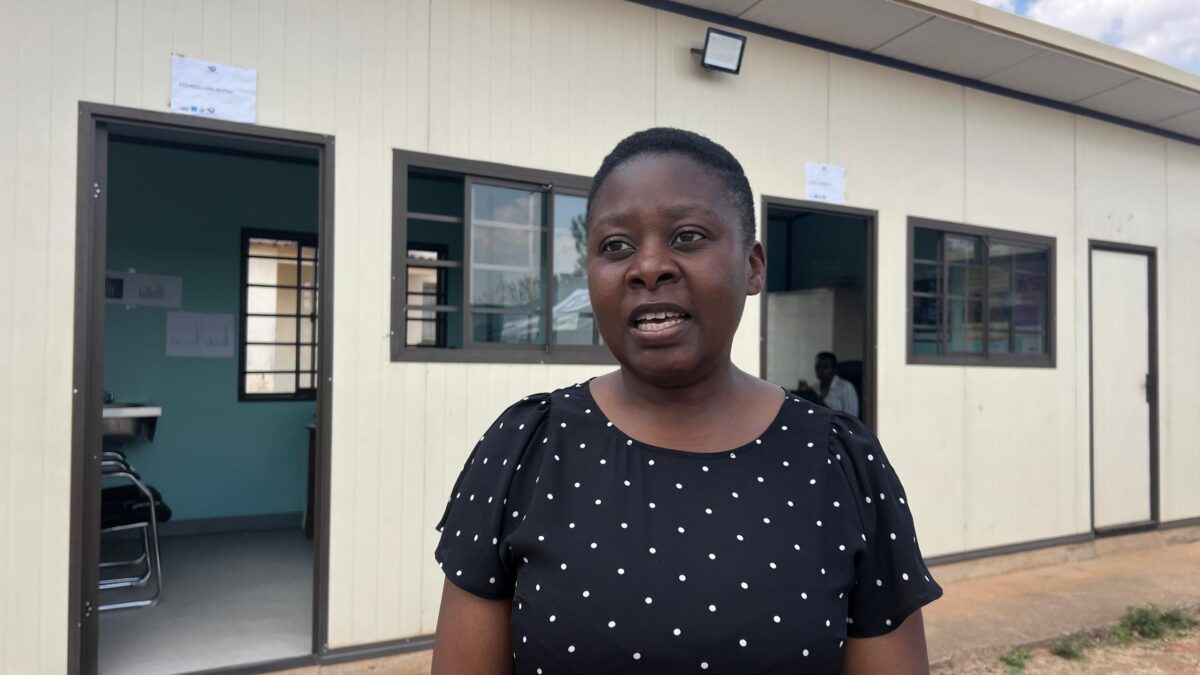
ZACH programmes officer for Umzingwane, Ms Portia Ndlovu, urged communities to report sexual abuse promptly, advising parents and guardians who suspect abuse to engage the relevant authorities.
She cited a case handled by the centre involving a 17-year-old girl and a 60-year-old man, highlighting the vulnerability of minors to sexual exploitation.
“Late reporting is a huge issue for us as an HIV programme because there is some interrelation between HIV transmission and gender based violence. In cases of late reporting the survivor is not able to access Pre- Exposure Prophylaxis (PrEP) for HIV, emergency contraceptives which are time limited. When someone is sexually abused they are supposed to report within 72 hours for them to be tested for HIV.
“Most cases which fall under Section 70 are reported late when the caregivers and parents come to report after a child has fallen pregnant. For rape some cases are reported early. For most cases reported within 72 hours the perpetrators would unknown. For cases that happen within the home or familiar environment some cases are reported late as families would have covered,” she said.
Ndlovu said early reporting was critical in ensuring survivors received timely medical attention and other support services.