Business Reporter
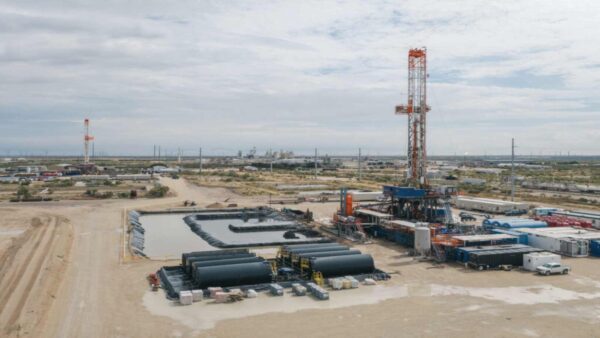
RioZim minority shareholder Mr Tendai Rwodzi has applied to the High Court to stop the company’s extraordinary general meeting (EGM) seeking to approve the sale of Renco Gold Mine for US$35 million to repay loans, service creditors and stabilise operations at Cam & Motor gold mine.
In the court papers, Mr Rwodzi argues that the proposed sale violates the law because RioZim is undergoing corporate rescue proceedings.
Once an application for corporate rescue is lodged, a company is legally deemed to be under corporate rescue to protect its assets from being stripped.
The application for corporate rescue was filed in April this year, seeking court protection and preventing the disposal of key assets while a strategy is developed to restore stability and pay off creditors.
RioZim, listed on the Zimbabwe Stock Exchange, issued a notice in late September seeking shareholder approval for the transaction.
The sole item of special business is to approve the disposal of Renco Mine as a cash-generating unit and going concern to an unrelated third-party purchaser.
The proposed transaction encompasses the transfer of the Renco mining lease, special grant, associated mining claims, land and buildings, plant, machinery, equipment and operational infrastructure.
In addition, the purchaser will assume specified liabilities valued at approximately US$1,697 million.
According to the board, the disposal is a vital step in the company’s broader balance sheet restructuring strategy to reduce an outstanding debt burden driven by a net current liability position of about US$51 million.
An ordinary resolution is also tabled to grant the board authority to execute agreements, fulfill conditions precedent and secure regulatory approvals.
Placing Renco mine up for sale for US$35 million represents its latest attempt to raise capital to settle outstanding liabilities, ease short-term debt and inject liquidity into its remaining operations.
However, Mr Rwodzi argues that a company under corporate rescue cannot sell a major asset without an approved corporate rescue plan or written permission from a corporate rescue practitioner.
He argues he initially held back from taking legal action while waiting for his main corporate rescue court hearing scheduled for mid-October.
However, the court postponed the hearing to November, while judgment in another related case remains pending, leaving the assets vulnerable in the interim.
“The proposed transaction is not an ordinary operational transaction. It concerns the disposal of assets material to the company’s business, financial position, and prospects of successful corporate rescue,” Mr Rwodzi says.
He highlighted that RioZim faces severe financial distress, with short-term debts exceeding assets by about US$51 million, alongside other unrecorded liabilities and pending legal claims.
Although RioZim recently published half-year results showing a return to profitability, independent auditors raised concerns over its ability to continue operating as a going concern.
Mr Rwodzi is asking the High Court to step in and block the shareholder meeting to stop the sale of Renco Mine until the court makes a final decision on the corporate rescue. He warned that if the sale goes ahead, a key asset will be lost and any future rescue efforts will be ruined.
The move to sell Renco comes as RioZim attempts an aggressive balance sheet restructuring to clear mounting debt obligations. The resources group has been facing severe working capital constraints, heavy debt service pressures, and operational disruptions across its portfolio.
RioZim recently disposed of its 22,2 percent stake in associate company RZM Murowa as part of a strategic drive to reduce its debt burden, the company said in its half-year financial statement to June.
The decision to exit the diamond mining firm was prompted by Murowa’s ongoing operational and funding challenges, which resulted in zero diamond production during the period under review and a share loss of ZiG39,6 million attributed to RioZim prior to the derecognition of the investment.
Disposal proceeds were set off directly against existing loan balances owed to Murowa.