Online Reporter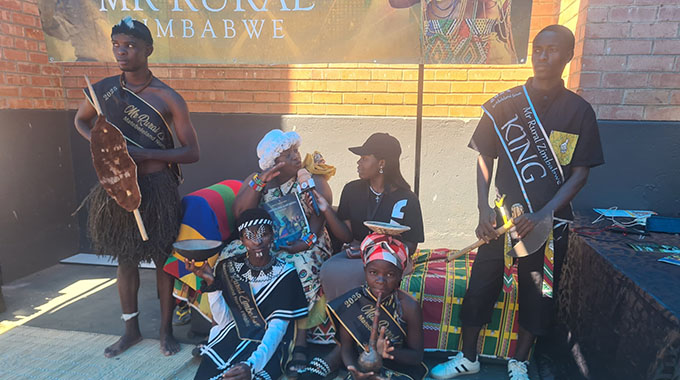
Sipepisiwe Moyo, [email protected]
THE Miss and Mr Rural Zimbabwe pageant is proudly representing the 16 tribes of Zimbabwe at this year’s edition of the Zimbabwe International Trade Fair (ZITF), underway at the Zimbabwe International Exhibition Centre in Bulawayo.
Their vibrant stand attracts immediate attention, thanks to the array of cultural dance attire worn by the models, each proudly showcasing the heritage of the tribe they represent. The display is adorned with traditional reed mats, crocheted hats and a variety of utensils typical of a rural African homestead.
According to Sipho Mazibuko, founder of the pageant, the initiative aims to celebrate and educate the world about Zimbabwe’s rich and diverse cultural heritage.
“We’re here to showcase the richness of Zimbabwean culture, and I’ve brought along models, who represent 16 of the country’s tribes. We have representatives from the Kalanga, Xhosa, Tonga, Ndebele, Ndau, Sotho, Jahunda, and Karanga communities, with more models expected to arrive from their respective rural homes,” said Mazibuko.
Many of the participating models expressed their excitement and gratitude at being part of the event, which, for most, marks their first time attending the exhibition.

Mbwalimuumi Simugwagwa, a finalist for Mr Rural Zimbabwe Matabeleland North from Binga, expressed his appreciation for the opportunity.
“I’m grateful to be part of this pageant. As rural youth, we’re often overlooked and many of us face financial challenges that hinder our ability to pursue further education. This often pushes some of my peers towards risky paths, such as illegal mining or immoral behaviour, out of desperation.”
Musawenkosi Nkala from Tshabanda in Tsholotsho said her participation is inspired by a passion for combating drug and substance abuse among rural youth, while also promoting Kalanga culture.
“I’ve seen many of my peers fall victim to alcohol and drug abuse. In my village and neighbouring communities, many young people also lack access to basic amenities like education, clean water and decent shelter, which is a violation of their rights,” said Nkala.
“Through this pageant, we’ve been given a platform to shine and access opportunities usually reserved for urban youth. It’s a stepping stone towards achieving my dreams and building a career. We’ve even been introduced to scholarship opportunities and skills development programmes to help us create sustainable futures.”
Deborah Munkuli from Hwange, representing the Nambya culture, echoed similar sentiments.
She said the pageant had not only allowed her to showcase her cultural identity, but also offered the chance to network with her urban counterparts and highlight her talents.
Representing the Xhosa tribe, Mbongeni Hadebe from Mbembesi said the pageant helped him discover a hidden talent, modelling.
“I never knew I had it in me until I joined this pageant. If I win Mr Rural Zimbabwe, I’ll use the title to empower young people in my community, advocate against drug abuse, and push for the establishment of rehabilitation centres in rural areas.
“If we don’t address these issues now, we risk losing an entire generation.”
He added, “This platform has given me a sense of purpose. I want to inspire other young people to embrace our culture and believe in their dreams.”