peter
peter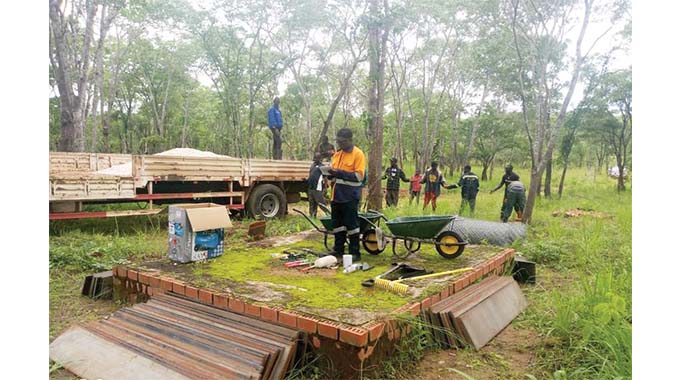
Robin Muchetu, Senior Reporter
HEROES DAY is a time for reflection of years gone by, bittersweet for many as Independence was won in 1980 with many having lost their lives as the ultimate sacrifice for their country.
Even more biting are the memories of those who survived to hold on to as they reminisce about days of the struggle and those who did not make it. Dedicated cadres who survived the armed struggle have not forgotten their peers who lost their lives and are buried beyond Zimbabwe’s borders.
Maqhaw’esizwe Entourage Trust has been visiting burial sites in Zambia for several years to show their continued honour of those that did not make it back to Zimbabwe alive and are lying in Zambia.

The visits are traditionally undertaken in August when Zimbabwe commemorates Heroes and Defence Forces Days but since the onset of the Covid-19 pandemic, the group has been unable to fulfil the pledge they made to visit the shrines annually.
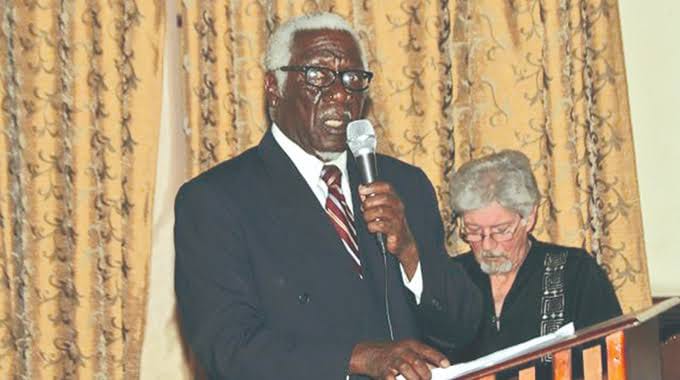
Chairman of the trust, Cde Onesmus Bhebhe however, said they are ready to resume trips.
“We last went to Zambia in 2019 as a group and this was because we were affected by the Covid-19 disruptions so travel was impossible and our trips were cancelled. However, we have since resumed and we are planning on visiting the shrines in August this year as per tradition but we have no dates as yet because the trip is coinciding with preparations for elections. We are a self-funding institution and so it is hard to raise funds for transport and all other logistics but indeed we are going. We have planned to visit Mkushi Girls Camp, Mulungushi, Freedom Camp, and Nampundwe if all goes well,” said Cde Bhebhe.
Mkushi Camp, a Zipra military cantonment for girls which was bombed by Rhodesian forces on the morning of 19 October 1978 has been a sore point for the survivors as the camp had not been refurbished in decades. Built in 2001, the shrine has been affected by elements of weather and was in need of a facelift.

“The focus this year is largely on Mkushi Girls Camp where some renovations have taken place in the past year or so, so we need to see what has been done. On our previous trips, we made recommendations to the National Museums and Monuments of Zimbabwe (NMMZ) as to what we felt could be improved. So, they did work on the recommendations and we want to go and see what was improved. We had raised concerns about the state of some of the graves and we asked if they could be refurbished to which we understand they did,” said Cde Bhebhe.
A survivor of the 1978 bombings in Mkushi, Cde Otilia Sibanda whose pseudonym during the struggle was Mirora Shumba concurred with the chairman saying Covid-19 had put their traditional visits on hold.
“Covid-19 rules and regulations were in place and these made us not go to Mkushi because we observed the laws of the land. But this did not mean we also forgot our sisters who are buried there whenever we commemorate Heroes Day. When we visit district, provincial or national shrines on this day we remember that there are others who are not with us today and are lying in Mkushi. Now that Covid-19 is over, our wish is to go there and visit the shrines, we are making preparations despite the various financial challenges we have,” said Cde Sibanda.
For the 2023 visit, Cde Sibanda said they are holding a special memorial following the refurbishment of the shrine.

“We want to do a memorial in Mkushi. We want a memorial because the state of the graves in Mkushi and Freedom Camp was not good at all as compared to others. These were bombed on the same day but they were constructed differently and it pained us. We had always been asking for the Mkushi graves to be refurbished. We would find them cracked and collapsed, generally, their state was not good at all.
“There are some remains that were exposed and not properly interred. I am happy that the NMMZ contacted me as they were going there and they refurbished them and they are no longer the same. I saw photographs and they look better now. We have not gone there yet but now we saw it fit to go and see for ourselves the completed work,” she said.
Cde Sibanda, however, said more work would still be done.
“We will continue engaging them (NMMZ) for more work, like now we wanted to have names inscribed, we hope to have a conical tower where the girl’s names are written. We are happy they heard our cries for the refurbishment,” added Cde Sibanda.
The trust said they would like to take more people to Zambia for this important trip.
“The intention is to have three buses leaving for Zambia, funds permitting. That is our aim but if we fail, then we can have one bus going with the freedom fighters and all other people who would like to go with us. The trip to Zambia is a week-long, and ordinarily, we depart soon after the domestic Heroes Day commemorations and spend a week away. But now we are putting into consideration the elections as our members also need to exercise their right to vote so we are planning our trip with that in mind,” said Cde Bhebhe.
Plans are afoot to visit other shrines where fellow countrymen lay with the trips also involving the youths.
“We encourage young people of Zimbabwe to tag along with us and we show them these important places. It is vital that they know where we are coming from, where we are, and where we are going as a country. Again, you should realise that it is time to pass on the button stick, this is a race, a relay and we need to pass on (the button stick) to them and they carry it forward.
So, it is critical that they fill up their own bus and we travel to Zambia with them and they get to understand some of these events that make up our history,” added Cde Bhebhe.
He said it is also important that the youths safeguard what their fathers and forefathers fought for.
“We fought and acquired Independence, now they have to safeguard that independence for future generations to also enjoy.”
Cde Sibanda said other girls who survived the bombings share the same sentiments with her saying they will never stop visiting the shrines to pay homage to their peers.
“We remember our peers, especially during this time that we are going to where we remember all our fallen heroes and heroines. The fact that we go there and place flowers for them means a lot, we will never forget them, we were with them in the struggle, and they are our comrades in arms. So, this year it is important that we see the shrines and the work that has been done so far now that Covid-19 is out of the way,” she added.
President Mnangagwa recently renamed Morris Deport Police Academy to ZRP Mkushi Police Academy and unveiled its plaque. The new name was inspired by the Mkushi Girls Camp in Zambia which was a military training camp for female guerrillas during Zimbabwe’s Liberation Struggle. Over 1 000 girls lost their lives on the morning of the bombings. — @NyembeziMu


 Online Reporter