admin
admin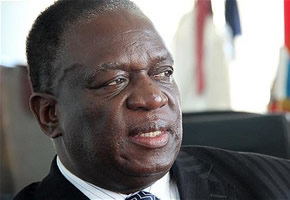
Some sections of the media have linked Cde Mnangagwa who is also the Minister of Defence to a clique of disgruntled Zanu-PF members from the Midlands Province, which was against the party’s resolution to disband DCCs.
It was also reported in some sections of the media that the dissolution of DCCs had affected Cde Mnangagwa’s supposed succession battle pitting him against Vice-President Joice Mujuru.
In an interview held on the sidelines of an indigenisation and empowerment workshop for rural-based youths in Mvuma, Cde Mnangagwa attacked the private media for “abusing their right to freedom of expression by publishing unfounded and fabricated” stories.
He said he was surprised to read about Midlands’ alleged stubbornness on the DCCs dissolution issue in the private media when in actual fact it was the province that was the first to endorse the Politburo decision to disband the party structure.
“I am equally surprised by what the private media has been reporting on the party position to disband the DCCs structures. Those reports are false. It’s rubbish and contrary to the facts on the ground. Maybe you can help, go and ask them where they are getting all these fabrications,” he said.
Cde Mnangagwa said the Midlands Province had always been known as a Zanu-PF stronghold, hence its being the first to endorse the party position on the disbanding of the DCCs.
He said there were no objections from the province on the disbanding of the DCCs.
“In his report in the Politburo on Wednesday, the Secretary for Administration, Cde Didymus Mutasa, said Midlands was the first province to endorse the move to disband DCCs and these reports, which claim that the province is against a decision that was unanimously agreed at, are a mere fabrication,” said Cde Mnangagwa.
The Politburo announced in June the decision to dissolve the DCCs after classifying them as “overweight and divisive”.
Cde Mutasa and a team that comprised party spokesperson, Cde Rugare Gumbo, the National Political Commissar, Cde Webster Shamu and war veteran chairperson Cde Jabulani Sibanda visited provinces explaining the rationale behind the disbanding of DCCs.
The team told Zanu-PF provincial coordinating committees in all provinces that the dissolution of DCCs would strengthen the party as it would promote direct communication between the executive and the grassroots.
Announcing the dissolution of the DCCs in June, President Mugabe said they were created to coordinate the management of the party structures, yet they made things difficult.
The Zanu-PF Politburo disbanded the DCCs after realising they had become an instrument of division in the party. This followed reports of imposition of candidates during DCC elections, especially in Masvingo and Manicaland provinces.
Some influential Zanu-PF members were allegedly manipulating the DCCs and causing divisions in the revolutionary party.
Following the dissolution of the DCCs, Zanu-PF dispatched a high-powered delegation led by Cde Mutasa to all provinces to explain the party’s decision.
Provincial structures now play a pivotal role in the coordination of party activities as the Politburo resolved that the dissolved DCC members would be rehabilitated and incorporated into other structures of the party.



 Online Reporter