Online Reporter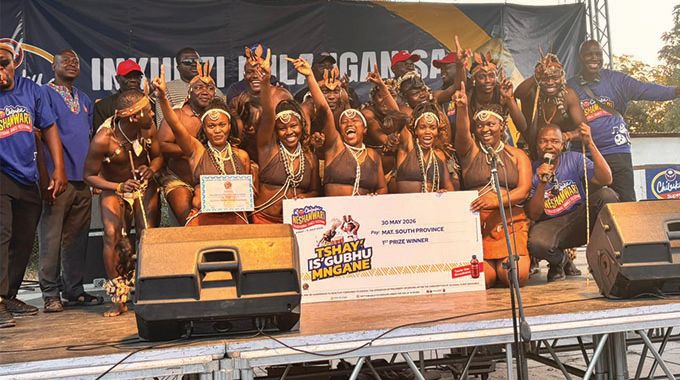
Mthabisi Tshuma, [email protected]
THE Zimbabwe National Traditional Dancers Association (ZNTDA) says the continued evolution and diversity of traditional dances being showcased at the Chibuku Neshamwari Traditional Dance Festival are proof that Zimbabwe’s cultural heritage is not only surviving, but thriving in the modern era.
Ahead of today’s national finals at Harare Gardens, ZNTDA president Kennedy Kachukura said the festival has become an important platform for safeguarding Zimbabwe’s intangible cultural heritage while demonstrating that traditional dance has grown into a viable creative industry capable of creating employment and inspiring younger generations.
Ten groups from across the country’s provinces will compete for the coveted Chibuku Neshamwari title, each bringing a unique dance tradition that reflects Zimbabwe’s rich cultural landscape and shared heritage with neighbouring African countries.
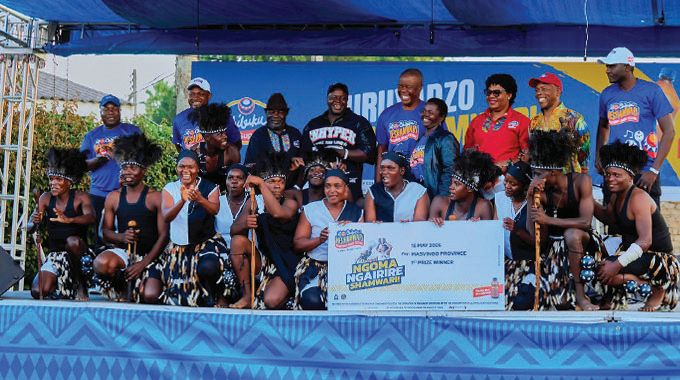
The national finals will showcase a wide variety of traditional dances, including Mbakumba, Tsutsube, Gule Wamkulu Nyau, Chinyambera, Bira revadzimu and Isitshikitsha.
Kachukura said the range of dances on display illustrates the country’s cultural diversity and the interconnectedness of African traditions.
“All the dances are performed widely in Zimbabwe and they are both Zimbabwean and African dances due to border sharing. The dances are viable in the modern context of Zimbabwe and Africa such that they have become a sustainable Creative Cultural Industry,” he said.
“This means dance as an art is business and it has continued to create employment for artistes. In addition, it is now part and parcel of heritage studies up to the highest levels of education.”
He noted that while traditional dances have embraced modern influences, their cultural essence has remained intact.
“A bit of the items used in dance have been replaced by some of the modern world, such as hosho, magabvu and java materials, while still preserving the intangible cultural heritage and producing the same sound. Dance steps have also evolved through choreography and body movements,” said Kachukura.
Kachukura said the continued performance of these dances in competitions, schools and public celebrations demonstrates that traditional culture is adapting to changing times rather than disappearing.
Beyond preserving culture, the festival has also become an economic platform for performers, with winners set to receive US$15 000. Second and third-placed groups will earn US$10 000 and US$7 500 respectively.
Harare’s Shingai Dance Group and Manicaland’s Dapuraunanzva Arts Ensemble will both perform Mbakumba, a lively Karanga harvest dance that originated in Masvingo and has become popular at celebrations across the country.
Matabeleland South and Bulawayo will showcase the distinctive Tsutsube dance, a Khoi-San tradition linked to Botswana’s Tswana people. Performed without drums, the dance relies on whistles, rhythmic hand clapping and vibrant movement, and has traditionally been associated with celebrations, healing and hunting ceremonies.
Mashonaland East’s Marondera Gure Club and Mashonaland West’s Pisa Pisa Nyau Club will present the spiritually significant Gule Wamkulu Nyau dance. Famous for its elaborate masks and ceremonial symbolism, the dance has grown beyond its sacred origins to become a popular cultural performance at public events while retaining its deep traditional meaning.
Mashonaland Central’s Dzimbahwe Nengoma Dance Ensemble from Bindura will perform Chinyambera, a hunters’ dance that tells the story of preparing for a hunt, celebrating a successful expedition and sharing the catch with the community.
Midlands province will be represented by Chipolopolo Nyau Dance Group, whose colourful Nsenga-inspired Nyau performance features bright costumes, expressive facial movements and pulsating drum rhythms.
Masvingo’s Mutimurefu School of Arts (Musa) brings a unique story to the finals. Made up of Zimbabwe Prisons and Correctional Service inmates, the group will perform Bira revadzimu, a Karanga spiritual dance traditionally used to honour ancestral spirits. It marks the group’s return to the national stage for the first time since 2013.
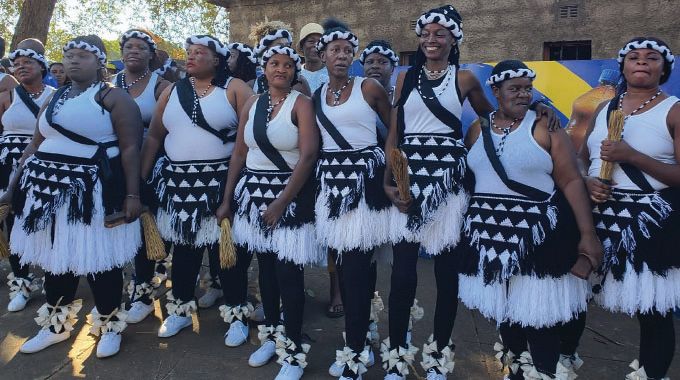
Representing Matabeleland North is Amakhosikazi from Victoria Falls, who will make their national finals debut with Isitshikitsha, a graceful Ndebele women’s dance commonly performed during weddings, bridal ceremonies and important community celebrations. Unlike many other traditional dances, it relies on rhythmic footwork, sticks, animal tails and African broomsticks rather than drums.
The event, organised by Delta Corporation through its flagship Chibuku brand in partnership with the National Arts Council of Zimbabwe (NACZ) and the ZNTDA, will conclude with an after-party headlined by Jah Prayzah, alongside Nisha Ts and Chillspot Records duo DJ Fantan and Levels.