admin
admin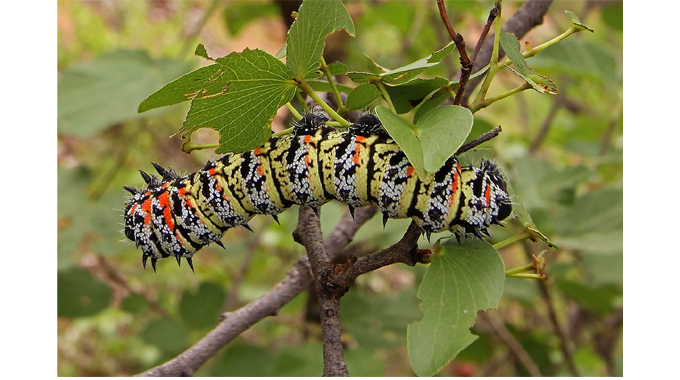
Sukulwenkosi Dube-Matutu, Matabeleland South Bureau Chief
MOPANE worm harvesting has begun in some wards in Gwanda District with authorities urging communities to consider sustainability in order to preserve the natural resource.
Also known as amacimbi/madora, mopane worms are a major source of livelihood for villagers who collect and process them for sale and household consumption. They also provide seasonal employment and essential nutrients to households.
Forestry Commission Matabeleland South provincial manager, Mr Bekezela Tshuma, said harvesting of mopane worms was still at its early stages.
“Harvesting of mopane worms is underway in some of the wards in the district. We expect more harvesting activity as the weeks progress as some of the mopane worms are yet to mature,” he said.
“We haven’t seen an influx of people coming to camp to harvest mopane worms and we hope that it will remain that way. We last recorded high influx before the Covid-19 pandemic.

“Before the pandemic, there was a lot of damage to the environment because of unsustainable harvesting.”
Annually, estimates indicate that mopane worms generate about US$4 million at the producer stage and in recent years the product has become an attraction to the export market.
However, growing demand has led to deforestation as people cut down trees to harvest and process mopane worms with some spending days camped in the bush.
This has sparked debate on the need to control harvesting to ensure sustainability and maximize community benefits.
Gwanda Rural District Council has since crafted new by-laws that seek to protect natural resources, including mopane worms and these are set to be officially gazetted to curb harmful practices such as the burning of vegetation, protection of wetlands, cutting of trees, sand poaching, protection of water sources, commercial timber logging, protection of wildlife and indigenous plants, solid and effluent water management, protection of the environment and natural resources, among others.
The Forestry Commission, working with various partners and the community, has also set up mopane worm-rearing facilities in Matabeleland South in order to preserve the edible worms, which are now in short supply in some parts of the province.
Gwanda RDC chief executive officer, Mr Ranganai Sibanda, said mopane worms play a crucial role in improving livelihoods as a source of income and protein for the rural folk and urban dwellers.

“We crafted new natural resources by-laws to ensure that we protect natural resources in the district such as mopane worms. The by-laws, which we are using are outdated hence the need for new by-laws. We are still waiting for them to be gazetted,” he said.



 Online Reporter