Nqobile Bhebhe and Thupeyo Muleya, Zimpapers Writers
THE Government has stepped up surveillance at Beitbridge Border Post with the deployment of additional drones, a move expected to significantly strengthen the ongoing national anti-smuggling blitz and choke off illicit trade routes at the country’s busiest port of entry.
The expanded drone monitoring programme forms part of a broader multi-agency operation that has already recorded notable success in curbing smuggling, protecting local industry and creating fair trading space for domestic manufacturers.
Speaking during a 2026 post-budget meeting in Bulawayo on Monday, Finance, Economic Development and Investment Promotion Minister Professor Mthuli Ncube said the increased use of drones at Beitbridge and other border posts was delivering tangible results despite complaints from some business quarters that enforcement by the Zimbabwe Revenue Authority (Zimra) had become heavy-handed.
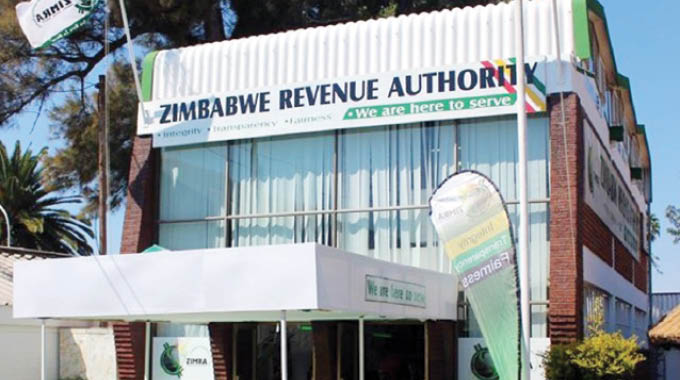
“I receive reports every week that smuggled materials are being seized all over the country. We also introduced the drone monitoring programme to support the anti-smuggling initiative and we want to deploy drones at all our border posts,” said Prof Ncube.
Beitbridge, which handles the bulk of Zimbabwe’s cross-border traffic, has long been identified as a major smuggling corridor, with illicit goods often entering the country while evading customs duty and regulatory controls. Authorities say the enhanced aerial surveillance is helping to close gaps along porous sections of the border and track suspicious movements in real time.
The anti-smuggling operation, launched late last year, is being co-ordinated by the Ministry of Industry and Commerce in partnership with Zimra, the Consumer Protection Commission and law-enforcement agencies. It targets importers and cross-border transporters involved in smuggling and other unethical business practices that undermine local industry and threaten consumer safety.
Prof Ncube said the Government fully backs Zimra’s enforcement actions, including routine searches of buses and vehicles.
“As Government, we have been tough on smuggling and I am aware and have received many complaints that Zimra is tough, stopping buses and searching. It is their job (Zimra) to search and if they suspect anything, they should search,” he said.
The crackdown was triggered by sustained complaints from local manufacturers and retailers who said they were losing market share to cheap, untaxed imports. Smuggled goods are often sold at prices that undercut compliant local products, distorting competition and threatening the survival of domestic enterprises.
Beyond the economic impact, authorities have raised alarm over public health and safety risks posed by illicit imports, many of which are substandard, counterfeit, expired or fail to meet local quality standards.
While acknowledging concerns from sections of the business community, Prof Ncube said he had proposed reviewing import duty rates to encourage compliance, but stressed that firm enforcement remained non-negotiable.
Prof Ncube said the blitz should be intensified. “I am pleased that they are searching because they were not searching before. They should make sure that goods are not smuggled,” he said.
The impact of the operation is already visible in some sectors, particularly beverages. Major players such as Delta Corporation and African Distillers have attributed recent volume growth to the removal of smuggled products from the market.For years, the beverage industry struggled against an influx of untaxed imports that eroded margins and distorted pricing.
The tightened controls, augmented by drone surveillance at Beitbridge, have significantly reduced the presence of illicit beverages, restoring competitiveness and confidence in the sector.
Meanwhile, South Africa’s Border Management Authority (BMA) has, since the beginning of December, intercepted smuggled goods worth nearly R1 million destined for Zimbabwe through Beitbridge Border Post and illegal crossing points along the Limpopo River.
The interceptions come amid intensified festive season operations on both sides of the border, with Zimbabwe also rolling out its own crackdown under an exercise code-named “Operation No to Cross Border Crimes”, led by security agencies along the Beitbridge corridor.
In a statement, BMA Commissioner Dr Michael Masiapato confirmed that the authority had significantly disrupted cross-border smuggling syndicates during the 2025/26 festive season.
He said the BMA seized non-perishable food items valued at more than R350 000, along with over 210 car batteries worth R412 600. Authorities also intercepted a Hyundai H100 truck valued at R159 000.
“These successful interceptions were made possible through the deployment of advanced, multi-faceted surveillance technology in operationally vulnerable areas,” said Dr Masiapato.
As part of its heightened law enforcement posture, the BMA has partnered with local defence company DCD Protected Mobility, working with Aselsan South Africa and Unipro Protective Wear, to enhance border surveillance and response capabilities.
“Through this partnership, the South African defence industry is supporting the BMA by demonstrating the effectiveness of integrated surveillance, mobility and command-and-control systems,” said Dr Masiapato.
He said the integrated surveillance solution has been deployed at Beitbridge as part of a structured pilot project aimed at improving visibility, accountability and situational awareness during peak travel periods.
“This initiative forms part of a structured pilot project aimed at enhancing visibility, accountability and situational awareness during the busiest travel seasons of the year,” said Dr Masiapato.
Smuggling is rampant along the Zimbabwe–South Africa border, where the Limpopo River serves as a natural boundary but also presents numerous undesignated crossing points exploited by smugglers.
Commonly smuggled goods between the two countries include cigarettes, alcohol, drugs, stolen vehicles, explosives and basic commodities such as food and clothing, often moved to evade high import duties or respond to shortages in Zimbabwe. In the opposite direction, minerals such as gold are frequently smuggled out of Zimbabwe, with Beitbridge identified as a major hotspot.
Authorities on both sides of the border say enhanced surveillance, technology-driven enforcement and closer cross-border cooperation are key to dismantling smuggling networks operating along the Limpopo corridor.