Chronicle Editor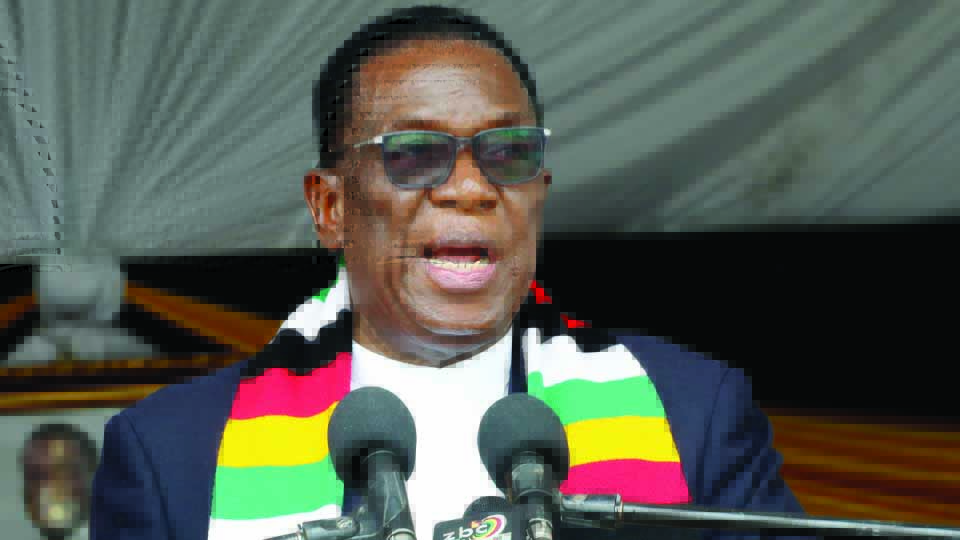
ZIMBABWE has been grappling with an unprecedented increase in cyberbullying and hate speech on social media platforms, especially on X (formerly Twitter).
This has resulted in a surge of online violence, character assassination and the belittling of other people’s values and beliefs. The situation has become so alarming that it is now a matter that requires urgent attention and remedies.
Amid all this, the church remains a crucial stakeholder in the country’s development and transformation. President Mnangagwa acknowledged this in his speech at the National Thanksgiving and Dedication Service in Bulawayo yesterday.
The church has been instrumental in developmental projects across the country and has served as a beacon of hope for many Zimbabweans. It has been pivotal in promoting unity and love among people of different races, tribes and religious backgrounds.
However, Zimbabwe is in dire need of a church that offers spiritual guidance and moral leadership that will help the country navigate its growing cyberbullying and hate speech problem. The church has a unique position of trust and credibility in the community, and it is well-placed to lead efforts to unite Zimbabweans in the wake of divisive narratives that have emerged in the country.

It is, therefore, essential that the church takes a leading role in promoting tolerance of divergent views and love for one’s country. This should involve the publication of discerning teachings on immoral and harmful speeches while also preaching about the values of patriotism — teaching about the dangers of hatred and encouraging people to appreciate unity in diversity amidst the ongoing political polarisation.
The church should prioritise engagements that involve critical conversations and debates around the issues affecting the nation.
This will require a concerted effort, and all faith groups need to come together under the banner of love and unity for Zimbabwe. It is commendable that some churches and religious organisations have already taken a stand against cyberbullying and hate speech by condemning any form of online violence and intolerant behaviour on social media platforms.
More faith groups should speak out against cyberbullying and hate speech. This should involve actively monitoring the social media activities of their congregants and urging them to desist from using hate speech or engaging in other forms of online violence.
It is also crucial that the Government works closely with the church in this regard. The Government should prioritise efforts aimed at promoting peace, harmony and unity in the country, with the church playing a key role in this process.
The church in Zimbabwe has a vital role to play in promoting a culture of tolerance, peaceful co-existence and love. All faith groups must work together. The church has a unique position of moral authority and credibility, which it must use for the greater good of Zimbabwe.
It is time for the church to step up and take the lead in helping to unite Zimbabweans and promote a culture of tolerance and love.



 Online Reporter