

 malvernmugadzikwa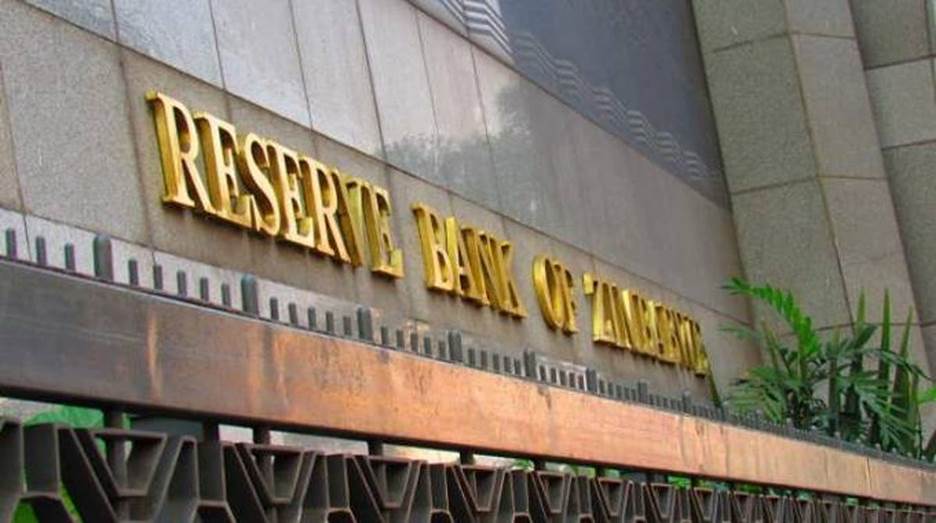
Business Writer
More individuals and companies have fallen in love with the recently introduced gold coins as it emerged coins worth $9 billion were sold since July this year while the Monetary Policy Committee (MPC) kept the bank policy rate on hold, the MPC revealed yesterday.
The Reserve Bank of Zimbabwe (RBZ) Governor, Dr John Mangudya, who is also the chairman of the MPC, said the committee noted, with satisfaction, the improved market confidence and uptake of gold coins as an alternative investment product to US dollars.
The central bank introduced gold coins on July 25 as part of several policy measures taken to stabilise the foreign currency exchange rate and tame inflation.
A total of 9 51 gold coins had been sold as at September 23, 2022, with 35 percent having been sold to individuals and 65 percent to corporates, Dr Mangudya said.
“The MPC expects that a combination of current tight monetary policy, continued use of gold coins, foreign exchange auction system, the insistence of value for money by Government in its procurement processes and practices, close monitoring of the possible occurrence of wage-push inflation and effective monitoring and enforcement by the Financial Intelligence Unit will sustainably anchor exchange rate expectations, thus limiting the exchange rate pass-through to inflation.”
The MPC resolved to maintain the bank policy and medium-term lending rates at 200 percent and 100 percent, respectively, “until durable stability, measured by a sustained decline in month-on-month inflation to desired levels of less than 5 percent is attained.”
It also resolved to further liberalise the foreign exchange market by increasing the weekly amount companies can purchase from the banks for foreign payments under the willing-buyer willing-seller system from US$20 000 to US$100 000.
The foreign currency exchange rate premium has significantly declined during the past two months with the official and black markets exchange nearing convergence.
“The foreign exchange rate premium has significantly declined from an elevated level of 140 percent in May 2022 to current levels of between 5 percent and 15 percent, which is consistent with regional and international norms,” said Dr Mangudya.
“This positive development on the exchange rate front is envisaged to go a long way in eliminating arbitrage opportunities that were fueling forward pricing models and hence fomenting adverse inflation and exchange rate expectations,” he added.
The MPC expressed satisfaction with the positive impact of the recent policy measures, which have resulted in a significant fall of month-on-month inflation from 12,4 percent in August 2022 to 3,47 percent in September 2022. The decline in month-on-month inflation has, in turn, resulted in the decline in annual inflation to 280,4 percent in September 2022 from 285,1 percent in August.
“The MPC is committed to ensuring that the current disinflation trend is sustained, in both the short and long-term, through the maintenance of the tight monetary policy stance which should be buttressed by continuous fiscal prudence and close monitoring of wage-push inflation,” the central bank chief said.


 Online Reporter