


 Chronicle Editor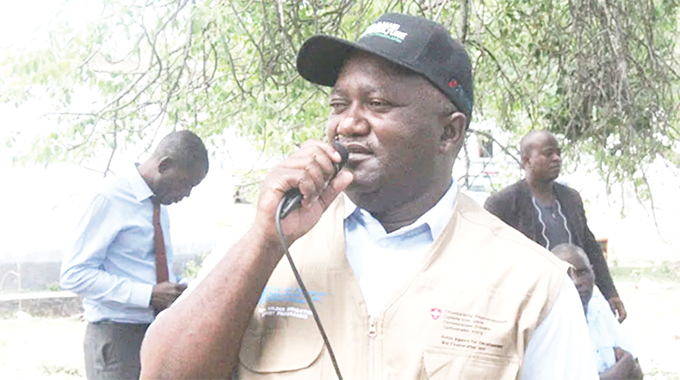
Sharon Chimenya, Masvingo Correspondent
MORE than 1 200 pegged and already built infrastructure is encroaching into ecologically sensitive areas in Masvingo amid concerns that human action continues to disturb the ecological balance thereby exacerbating the effects of climate change.
According to assessments carried out in the province recently, of the 716 hectares under wetlands, 308.5 hectares are severely degraded while 38,23 percent are still in a stable condition and 1 236 pegged and constructed infrastructure sit on wetlands.
Environmental Management Agency (EMA) Masvingo provincial manager Mr Milton Muusha said the infrastructural developments were encroaching on wetlands, waterways and streambanks.
“Wetlands in the province cover about 716 hectares and of that 308.5 ha has been classified as severely degraded, 369 ha are classified as moderately degraded whilst 38,23 percent are still pristine. That’s something to be worried about. This has been caused by human activities such as over cultivation, grazing, brick moulding and construction. We made some assessments of infrastructure encroachments on all ecologically sensitive areas and this was done throughout the whole country to see where our infrastructure is encroaching on our important areas including wetlands. Our findings for Masvingo Province were that 1 236 units that is either constructed infrastructure or pegged infrastructure have encroached onto ecologically sensitive areas which are wetlands, waterways and streambanks,” he said.
Masvingo Minister of State for Provincial Affairs and Devolution Cde Ezra Chadzamira recently lamented the absence of environmental conservation works in the province. He said human activities such as illegal mining, unsustainable wood harvesting, wetland cultivation, streambank cultivation, proliferation of invasive alien species were largely to blame for land degradation in the province.
He submitted that while the province was rich in natural resources such as forests, non-timber forest produce, wildlife among many other natural resources, it was the unsustainable harvesting of such resources which was worrying. Cde Chadzamira said districts such as Bikita and Chiredzi continued to experience charcoal production, resulting in massive deforestation without efforts at afforestation being made exposing the environment to agents of weather and consequently climate change.



 Bongani Ndlovu
 Online Reporter