Online Reporter
Robin Muchetu, Senior Reporter
FROM independence in 1980, Zimbabwe has moved milestones in the area of women empowerment through deliberate policies aimed at bridging the gender gap by fostering inclusivity and recognising deserving achievements by women in the academia, politics and socio-economic sectors.
Politics and other technical areas of economic development were previously no-go areas for women who had remained victims of a largely patriarch society that had a particular bias towards men.
The significant achievements that the country has made in the inclusion of women in such sectors as construction, the military, academia and mining continue to speak volumes that the country is not ready to regress in its steps toward empowering women.
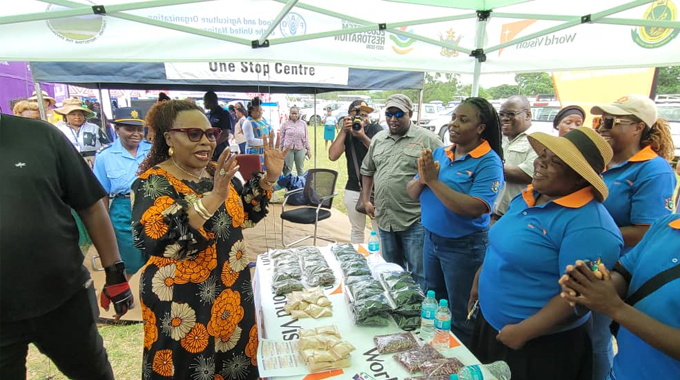
And perhaps to concretise the development of women and ensure they position themselves confidently as equals in the building of the country, the Zimbabwe School of Mines (ZSM) has launched a student chapter of Women in Mining (WIM) Zimbabwe.
The initiative aims to mentor and prepare female students for careers in the mining sector upon completion of their studies with 600 female small-scale artisanal miners having been trained so far.
ZSM Principal Engineer Edwin Gwaze highlighted that female enrolment at the institution has seen a remarkable increase, rising from less than five percent in the 1990s to over 30 percent today.
He expressed optimism that the establishment of this student chapter will encourage even more women to pursue mining education. WIM Zimbabwe founder Dr Faith Mutete emphasised that the organisation, in partnership with International Women in Mining, focuses on supporting university students studying mining —a key demographic for their efforts.
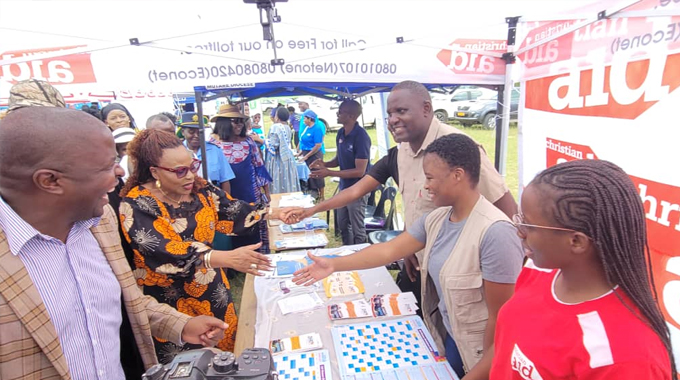
“This chapter will serve as a support system for young women seeking mentorship on issues such as obtaining mining rights and complying with industry regulations, which are crucial for their entrepreneurial ventures after graduation,” Dr Mutete said.
“It will also facilitate peer-to-peer support, allowing them to share experiences and insights on starting their own mining businesses.”
Dr Mutete underscored the complexity of the mining value chain and the importance of financial management for aspiring mining entrepreneurs.
“We aim to create job opportunities for young miners so that upon graduation, they are not left idle but can own mining claims and carve out a niche for themselves. Our mission is to help them explore the possibilities available in the sector,” she added.
She further encouraged students to shift their focus from solely seeking employment in large mining companies to considering small-scale mining ventures that can also provide jobs for others.
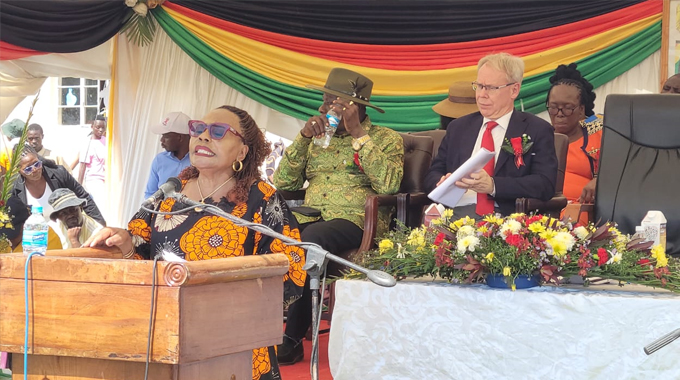
Eng Gwaze described the establishment of the student chapter as a significant step toward achieving gender equality.
“This marks the beginning of a new chapter, equipping our female students for the industry. We are celebrating a major milestone in advancing gender diversity and inclusion in the mining sector.
The official launch of the WIM Zimbabwe student chapter at ZSM is the first of its kind in Zimbabwe, representing more than just a student organisation but a commitment to fostering an inclusive and equitable mining industry driven by diverse perspectives,” he said.
He acknowledged the progress women have made across various sectors, particularly in the traditionally male-dominated field of mining. Eng Gwaze noted that the WIM student chapter is a transformative initiative born from the collaboration between ZSM and WIM Zimbabwe.
“This platform will provide mentorship, leadership development and capacity building for students aspiring to enter the mining industry,” he said.
“While the mission of WIM centres on empowering women, true gender integration requires the active involvement of men as allies and advocates for diversity.”
He emphasised that male students have a crucial role in shaping a culture that values fairness, inclusivity, and respect for all. By participating in this chapter, male students can gain insights into the challenges women face in mining and learn how to help dismantle those barriers.
“Our vision is a future where both women and men work together as equals, owning, managing, and driving the mining sector forward. We also aim to address broader challenges that impede women’s full participation, such as gender-based violence,” he added.
Eng Gwaze expressed satisfaction with the significant interest students showed in a presentation about sexual harassment, highlighting ongoing issues in the field.
“While we discuss these matters during internships, many women, due to fear of jeopardising their opportunities, are vulnerable to harassment. These issues require further dialogue and engagement,” he noted.
Miss Emelda Masaraure, the ZSM Gender Representative and interim director of the WIM student chapter, said the initiative will also aid in internship placements.
“Some female students struggle to secure attachments due to their gender. This chapter will facilitate connections and provide mentorship for the women, helping them ascend to leadership roles and fostering confident women who drive change,” she said.
ZSM has recently trained over 600 female artisanal small-scale miners, showcasing the institution’s commitment to promoting women’s participation in the mining sector. @NyembeziMu