Online Reporter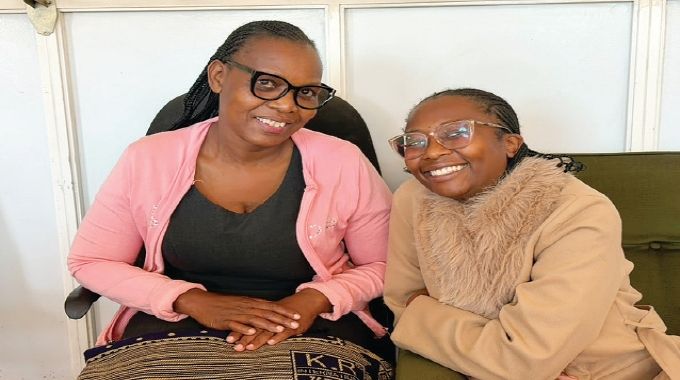
Raymond Jaravaza [email protected]
CONCERN over the exploitation of smallholder farmers by middlemen has pushed a Bulawayo mother and daughter to develop a digital platform that will connect producers directly with buyers, allowing farmers to earn better returns from their produce.
Mrs Michelle Ndiweni (35) and her mother, Mrs Unami Sibanda (54), said they came up with the idea after realising that many communal and small-scale farmers were working hard but receiving very little value for their crops and livestock.
The pair believes middlemen who dominate agricultural markets are taking the biggest share of profits, while farmers are left struggling to make meaningful income from their produce.
To address the problem, they developed an application called Zimba Agri-Biz Connect, which is expected to be launched in September once final testing is complete.
Mrs Ndiweni said the innovation was designed to close the gap between farmers and the market.
“I’m a lecturer at NUST (National University of Science and Technology) where I lecture Agri-Business Marketing as one of my courses. So, as I was doing my research before preparations for my class, it dawned on me that there is a gap in the market.
“As a marketer, as well, I realised that the gap in the agri-business sector needed someone to develop an innovation that will link small to medium farmers who are not able to access markets with major buyers. For example, big supermarkets, hotels and restaurants, among others.
“Our innovation is a platform for smallholder farmers to be able to directly get in touch with buyers of their fresh farm produce such as eggs, carrots, tomatoes, onions right up to meat products or the livestock itself,” said Mrs Ndiweni.
She said smallholder farmers often fail to secure large markets because many buyers prefer dealing with suppliers who can provide goods in bulk.
“It’s the norm that established buyers tend to hesitate to buy from smallholder farmers such as the chicken farmer who produces about 100 birds a week or month. Our innovation allows farmers to come together and sell their produce to one buyer in bulk.
“The application also allows buyers to interact with smallholder farmers and build long-lasting business links that benefit both parties without the need to always include middlemen in every business transaction.”
Mrs Ndiweni said empowering smallholder farmers would also strengthen the economy through increased incomes and job creation.
“When smallholder farmers grow, it creates job creation as well as giving them more disposable income, thereby growing the economy and the country’s GDP (Gross Domestic Product),” she said.
The platform is also expected to help reduce food prices by cutting out unnecessary costs added by middlemen.
“The application creates a win-win situation for both the farmer and buyer in the sense that their business dealings will not include a third party who benefits from doing nothing.
“To remain relevant, the middlemen will also be forced to adjust the prices that they buy from farmers as well as what they charge the buyer as dictated by the economic law of demand and supply. Our innovation strives to create a fair operating ground for farmers and buyers.”
Mrs Sibanda said accessibility was one of the key factors considered during the development of the application, especially for farmers in remote rural areas.
“The technology will require a farmer to have a smartphone to access it, but it does not need expensive data and connectivity in the areas where they are based. We have engineered the innovation in such a way that it works with relative connectivity because we are aware that networks can be difficult to access in some remote areas.
“An elderly farmer in Tsholotsho should be able to access the application without using a lot of data as we want it to be available to all farmers across the country,” she said.
Mrs Sibanda is a banker and economist by profession.
Government has in recent years introduced measures aimed at improving access to markets for local farmers. One of the major developments has been the opening of export opportunities to China for products such as citrus fruits and blueberries, which are increasingly in demand on the international market.