admin
admin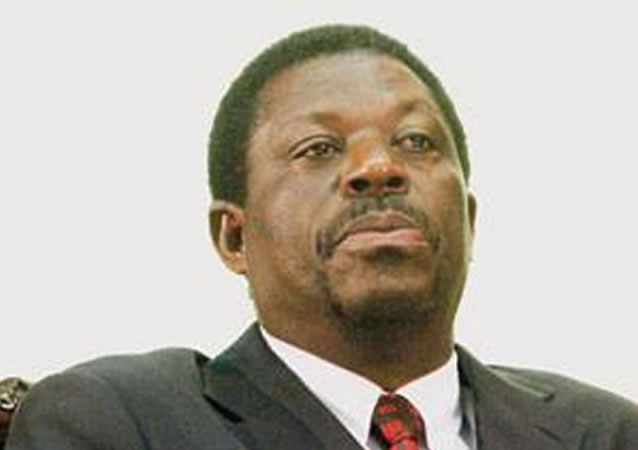
Prosper Ndlovu recently in Vic Falls
THE government is seized with crafting a motor vehicle policy aimed at attracting investment into the ailing local vehicle manufacturing sub-sector that has seen Zimbabwe being a perennial net importer of second hand vehicles. There is a high demand for motor vehicles in the country, which has seen the car import bill alone topping $800 million a year. This contributes largely to the escalating trade deficit estimated at around $4 million — blamed for crippling local industry viability.
Industry and Commerce Minister Mike Bimha admitted during the just ended Buy Local Summit held in Victoria Falls that the country does not have a motor vehicle policy hence the lack of investment in the sub-sector.
When cornered by industry players to explain the government position regarding the revival of Willowvale and Quest motor industries, the minister said: “This is an area the government is seized with. We’re not just focusing on promoting local vehicle assembly but we’re looking at what we’re capable of doing, looking at a number of other sectors that feed into the motor industry.
“We need to be able to agree on what motor vehicle policy we want. It’s this lack of policy that drives away potential investors in the sub-sector.”
Minister Bimha said investors would continue to shy away from Zimbabwe’s motor industry given the uncertainty in the business prospects of the sector emanating from lack of policy direction.
“If you open your borders for importation of every size and age of a vehicle, no investor will come to your country. Because of that uncertainty investors shy away.
“The policy we’ll develop should give certainty on units that investors can make for business. The government is in the process of looking at this,” he said.
Bimha ruled out the banning of second hand vehicles anytime soon saying the government would not adopt such a stance without giving locals an alternative.
He said in the meantime the government would only come up with control measures to regulate imports. The concern comes at a time when the Zimbabwe Revenue Authority has unilaterally increased vehicle import duty by an average of between $200 and $400.
Current regulations require buses with a carrying capacity of 26 or more passengers to pay 40 percent duty while double cab trucks pay 60 percent with passenger motor vehicles with an engine capacity of less than 1,500cc forking out 40 percent.
Those vehicles with engine capacity exceeding 1,500cc pay 86 percent duty including VAT and Surtax.
The participants pinned Bimha to clarify the government position on public procurement and accused ministries of being major importers at the expense of local firms.
“It’s government policy that we procure locally and this is in black and white, reiterated in all policy publications,” the minister responded. He said the problem was that the country went through a bad economic patch that created shortages and necessitated imports.
“As a government we don’t want to see shortages and if they arise we facilitate that those projects be brought in. We promote buying local and we enforce that,” said Bimha.


 Online Reporter