admin
adminFirst Things First: Buckle Up!
1. Always buckle up, no matter how short the trip. Three out of four crashes occur within 10km of the driver’s drive home. And remember, buckling up is required by law.
2. Make wearing safety belts a family policy. This will protect your loved ones no matter whose care they are in.
3. Insist anyone riding in your vehicle buckle up. This will keep others safe when they are with you, and you might get them in the habit of wearing a safety belt.
4. Wear your safety belt correctly. This means the shoulder harness is worn over the shoulder, not under the arm. The lap belt should be positioned below the waist.
5. Even if your car has airbags, wear your safety belt. Airbags are Supplemental Restraint Systems (SRS), just like it says on the steering wheel. This means they work with safety belts, not in place of them. Also, remember airbags only activate during front end collisions.
6. Never hold a child in your arms in a moving vehicle. In a crash, the child will likely be thrown from your arms or crushed by your body.
7. Always place small children in an approved child safety seat. For babies up to about 20kg, this should be a rear-facing infant seat.
8. Children should be placed in a front-facing toddler seat.
9. In every case the safest place for a child to ride is safety buckled in the centre of the back seat. Never use a rear-facing safety seat in the front seat of a car with air bags.
10. Even if a child resists, use a safety seat. You would not let a small child decide whether to cross a busy street, and you must not let a child decide how to ride in a car.
11. Follow the manufacturer’s instructions for safety seat use. Read and heed the instruction manual to ensure proper use of a child safety seat.
Behind the Wheel: Drive Responsibly and Defensively!
12. Obey the speed limit. Speed limits are designed to get you where you are going safely. And, remember, in bad weather and at night you may need to drive below the maximum speed limit.
13. Do not follow too closely. Keep a safe distance between your car and the car in front of you. This way, you will have enough time and room to react to a sudden stop.
14. Use your turn signals. These critical safety devices let other drivers know what you intend to do. Use them not only when you turn, but when changing lanes, as well.
15. Approach all intersections with caution. Even if you have the green light or the right of way, check for cars pulling into the intersection.
16. Pay attention to the vehicles around you. Know where you are in relation to others, and look farther ahead than the vehicle directly in front of you.
17. Use your rear-view mirrors. Check to see what is happening behind you, especially before you turn or change lanes. Do not forget to check your blind spot by turning and looking back.
18. Pass safely and with courtesy. Pass only in passing zones, use your turn signals and do not move back in front of the car you are passing until you see the front of it in your rear-view mirror.
19. Merge safely with courtesy. This involves both the driver entering from the on-ramp and the driver in the through lane. If you are merging, use your signal and do not stop on the ramp unless you absolutely must. If you are in the through lane, move over or slow down to let the merging driver enter.
20. Turn on your headlights in bad weather. This helps other cars see you and makes it easier for you to see them. Whether it’s foggy, raining or snowing, be sure to turn on your headlights. Never rely on parking lights alone.
21. Never assume other motorists see you. Just because another driver is coming toward you does not mean he or she is looking at you. He or she may be distracted by something inside or outside the car, or even by his/her own thoughts. Always look out for the other person.
22. Slow down at night. The distance you can see, both ahead of and around you, is limited at night. You will have more time to react to a dangerous situation if your speed is reduced.
23. Do not look directly into headlights. The lights of an oncoming car can temporarily blind you if you look right at them. Instead, look towards the right edge of the road.
24. Stay alert behind the wheel. A tired driver is a dangerous driver. Stop and take a break every couple of hours.
25. Make emergency stops properly. If you have to pull over unexpectedly, use your turn signal and then pull completely off the road if possible. Once you have stopped, turn on your hazard flashers. If you need help, get out of the car on the side away from traffic and raise your hood. Never try to get help by standing in oncoming traffic to flag down an approaching motorist.
26. Keep your vehicle in good working condition. Check your tyres, fluids and lights regularly. A poorly maintained car is a dangerous car.
Special Situations: Things to look out for!
27. Slow down at work zones. Pay special attention to the change in the speed limit as you approach a work zone. Even if you cannot see anyone, workers may be blocked from view. You could also hit barricades, barrels or equipment. The number of lanes may change in a work zone as well, forcing you to merge or stop quickly.
28. Obey flaggers at work zones. If a flagger is present at a work zone, do exactly as he or she indicates to you with signs or hand signals. The flagger is there to protect both the work crew and motorists.
29. Avoid a large truck’s blind spot. The driver of an 18-wheeler cannot see you if you cannot see him in his side rear-view mirror. Always remember this when passing.
30. Watch out for a large truck’s wide right turns. Big rigs have to swing to the left before turning right. Do not pull forward if a truck has its right turn signal on but begins to move left.
31. Do not cut in front of a large truck in heavy traffic. A big truck needs twice as much distance to stop as a car, and can’t do so if you cut it off suddenly. Give trucks plenty of room.
32. Stop for stopped school buses. Period. If you see a stopped school bus you are required to stop. The only exception is if you are on a roadway with a concrete or raised earth median between your car and the bus — and even then you should slow down and look out for children.
33. Do not proceed until the school bus stop sign is pulled in. Even if it appears all the children have boarded the bus or moved away from it, do not move forward until the bus driver indicates it is safe to do so by pulling in the school bus stop sign.
34. Watch for children as you approach or pull away from a school bus. Children do not always think about safety, and may dart around the bus, unexpectedly, into the street. Be on the lookout and ready to react.
35. Be aware of pedestrians or in-line skaters. Always look for people on foot on or near the road, especially when turning or backing. Never try to beat a light at a crosswalk.
36. Be aware of motorcycles and bicycles. Two-wheeled vehicles are smaller and harder to see than other traffic. Be on the lookout for them, and remember they have the right to be on the road.
Drinking and Driving Do’s and Don’ts: No Ifs, Ands, or Buts!
37. Do not drink and drive. There is no excuse. Just do not do it. Ever. Alcohol causes poor judgment, impairs your vision and slows your reaction time. That is no way to drive and, of course, driving under the influence is a serious offence which carries strong punishment.
38. Do not use drugs and drive. Everything that’s true about drinking and driving is true about driving on drugs. Again, there is no excuse. Just do not do it. Ever.
39. Don’t ride with a driver who is intoxicated. Doing so puts your life in someone else’s hands — someone who obviously isn’t up to the job.
40. Do not let a friend drive drunk. Even if it means they get mad at you, take the keys from a friend who is about to drive drunk. You can always make up tomorrow, as long as there is a tomorrow.
41. Do use a designated driver. If you are going out to consume alcohol, make sure a non-drinker does the driving.
42. Do provide transportation to intoxicated guests. If you throw a party at which alcohol is served, do not allow your guests to drive away unless they are sober. Call a taxi or have a non-drinking guest take them home.
43. Do protect yourself from impaired drivers. If you see a car being driven erratically, stay back and maintain a safe distance. If you think there is an impaired driver behind you, turn right or pull over and let him/her pass. If you think an impaired driver is coming at you from the opposite direction, slow down quickly and move as far to the right as possible.
44. Do report impaired drivers. Once you are safely away from an impaired driver, call the police. Be prepared to describe the vehicle and give its location, direction and, if you were able to get it, the licence tag number. If you have a cell phone, you can reach the police.
Tips for Two-Wheelers: Gearing up for the ride!
45. Always wear a helmet. Whether you are on a motorcycle, bicycle or moped, wear a helmet. Doing so dramatically reduces your chance of death or head injury.
46. Obey all traffic laws. Operators of motorcycles, bicycles and mopeds are required to heed all traffic safety laws, just like drivers of cars and trucks.
47. Use electric or hand signals. To make sure cars or trucks see you, always signal when changing lanes or turning. On a bicycle or moped, this may mean using proper hand signals, including the “slow” sign.
48. Be extra cautious at intersections. These are the most dangerous places for bikes of all kinds. Don’t assume motorists will see you like they would another car.
l Let’s be careful every tip on this article rests on that simple foundation. You should always “Think Safety” when you head out on the road.
Ralph Magunje can be contacted on email address [email protected]


Online Reporter
- Chronicle
- September 24, 2026
- 5 views
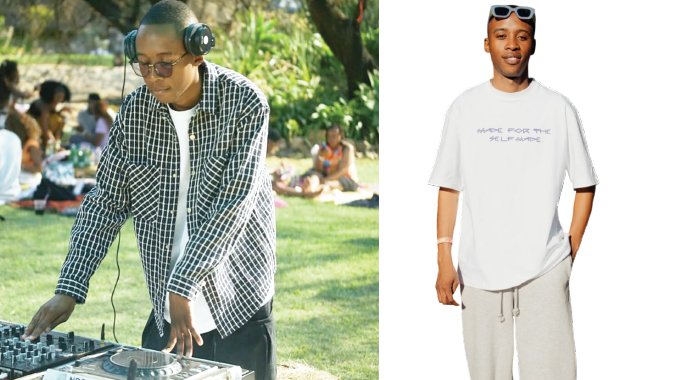
DJ Brze makes mark on Bulawayo music scene
Gift Moyo, [email protected] Bulawayo’s emerging young DJ Brandon Munashe Kashora, popularly known as DJ Brze, is making a name for himself on the city’s entertainment scene after featuring at several…