admin
admin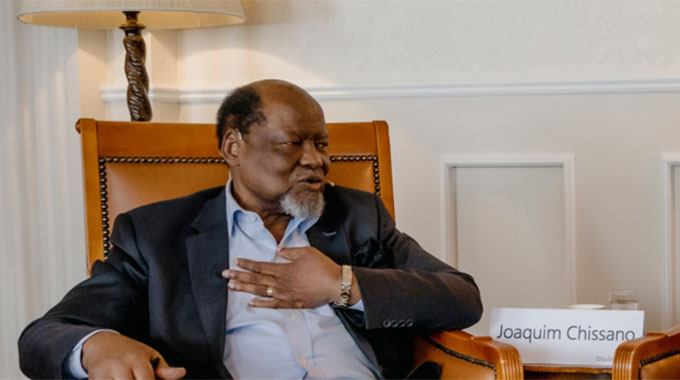
The Herald, October 5, 1992
MOZAMBICAN President Joaquim Chissano and MNR leader Mr Afonso Dhlakama yesterday signed the long-awaited peace treaty to end 16 years of armed conflict that has devastated their country and killed more than one million people.
The seven-point agreement comes into effect as soon as it is ratified by the Mozambican parliament, most likely this week. However, the formal ceasefire to be monitored by the United Nations could take up to 60 more days to negotiate although the date is expected to be set soon after the ratification.
Doubts still linger over the treaty’s effectiveness with the MNR’s track record on past agreements and the problems the movement admits it has in controlling all its fighters. The treaty includes the following points:
Within a month of ratification, all government troops must gather in 29 assembly points and all MNR combatants in 20 such points. UN peace-keepers will distribute food at these points as an incentive.
All Zimbabwean troops must withdraw from the Beira and Limpopo corridors within a month of ratification.
All weapons must be handed over to the United Nations. The disbandment of all armed groups must be complete within six months.
A new armed forces of 15 000 to 50 000 men will be set up with the men drawn equally from both the present government and MNR forces.
Both parties will respect political rights and guarantee the personal security of all Mozambican citizens.
The Mozambican parliament will be asked to adopt as law the protocols and guarantees agreed to yesterday as well as the peace agreement itself.
The government will not act contrary to the protocols and will not apply existing laws that are contrary to the peace protocols.
The MNR will respect the conditions and guarantees in the agreement. It will stop fighting after the ceasefire is in effect and will conduct its political campaigns within the framework of the law.
The international community and, in particular, the United Nations, will be asked to monitor the peace process and the first Mozambican multi-party elections.
A conference of major aid donors is to be called within the coming month.
It is expected that movement into assembly points will start within a week of ratification and that the withdrawal of the Zimbabwean forces will start at the same time. The logjam was broken on August 7 after personal diplomacy by President Mugabe, the leader of the neighbour with the most to gain from peace in Mozambique.
Mr Dhlakama dropped a bombshell on Monday last week when he announced he would not sign the deal. President Chissano and Cde Mugabe were already on their way to Rome. – Ziana-Reuter-Herald Reporter.
LESSONS FOR TODAY
- Armed conflicts are a bane affecting the world especially the African continent, because of the devastating effects that they bring such as deaths and injury of millions of people. They also cause displacements and hinder development.
- The 16 year-old armed conflict did not only affect Mozambique but also had a huge impact on Zimbabwe, which relies on Mozambican ports such as Beira for its fuel imports.
- A good turn deserves another. Mozambique was very instrumental in ensuring that Zimbabwe gets independence and Zimbabwe returned the favour by playing a major part in mediating to end the armed civil war in that country.


 Online Reporter