Online Reporter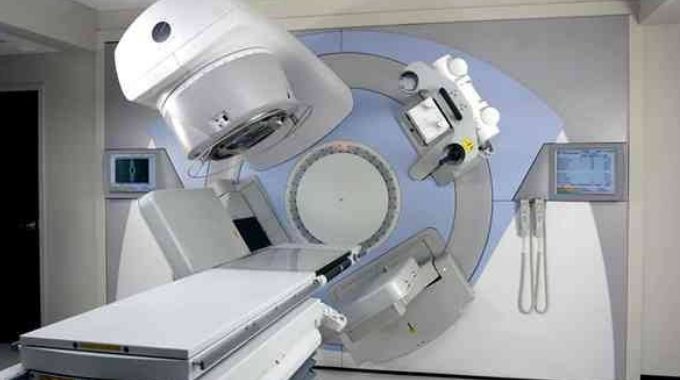
Robin Muchetu, Health and Gender Reporter
THE installation of two state-of-the-art cancer treatment machines at Mpilo Central Hospital’s Radiotherapy Centre has reached an advanced stage, raising hopes of relief for thousands of cancer patients in southern Zimbabwe who have endured limited access to radiation therapy.
The low-energy linear accelerator has already been installed, with technicians now completing final renovations, connections and accessories before the machine undergoes rigorous testing ahead of its commissioning.
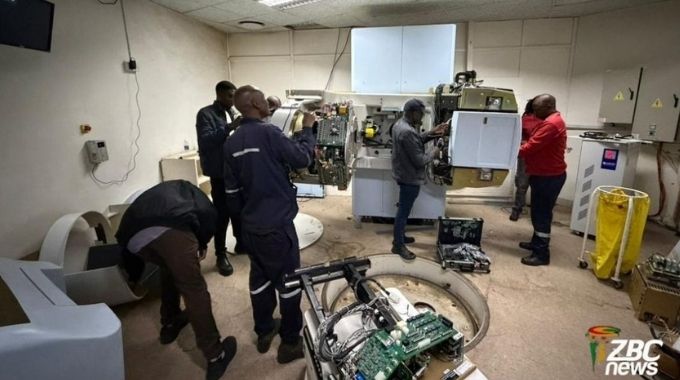
The machines, being installed at Mpilo Central Hospital in Bulawayo and Parirenyatwa Group of Hospitals in Harare, were procured at a cost of US$30 million through funds generated from the Sugar Tax.
Once operational, the facilities are expected to significantly improve access to radiotherapy services for cancer patients across the country.
Mpilo Central Hospital’s acting director of operations, Mr Phineas Sithole said critical installation work on the first machine had largely been completed.
“The radiotherapy machine, the low-energy linear accelerator, has been inserted and the room renovations are complete. Now they are working on the connections and accessories,” he said.
“The ceiling is also being attended to, but basically the critical work regarding installation of the machine has been done.”
Specialised safety measures have also been incorporated into the treatment rooms to protect healthcare workers and members of the public from radiation exposure.
Mr Sithole said the walls of the rooms housing the machines had been lined with lead, a critical radiation protection measure.
Lead lining involves installing sheets of lead within walls, ceilings, floors, doors and other structural components to prevent harmful radiation from escaping the treatment area.
The treatment room will also be fitted with cameras to enable medical specialists to monitor patients remotely while radiation treatment is being administered.
“For protection purposes, we have cameras that will show what is happening in the room because the physicist will be in the control room. You cannot be inside the room where radiotherapy is taking place,” said Mr Sithole.
“One has to be away from the radiation and only the patient remains inside the treatment room. The cameras enable the physicist to see what is happening inside.”
Installation of the second, high-energy linear accelerator is expected to follow once renovations to its designated treatment room are completed.
Mr Sithole said preparatory work, including the installation of the base frame, had already been completed.
“On the other side, the base frame has already been set. What is left now is the ceiling. After doing the ceilings, they will install the machine. That should also be around the end of October,” he said.
The second machine is currently being housed at NatPharm in Bulawayo and will be moved to
Mpilo once the hospital completes renovations to create adequate space for its installation.
Mpilo Central Hospital chief executive officer Professor Solwayo Ngwenya said the new machines would bring much-needed relief to cancer patients who have struggled to access radiation therapy following persistent challenges with ageing equipment.
“We have had a lot of problems with the cancer machines over the years, but the ones that are being installed are almost complete and we are very grateful because patients have been lacking radiation services,” said Prof Ngwenya.
He said the investment demonstrated the potential of the Sugar Tax to support critical healthcare infrastructure.
“Those world-class machines that are being installed here are also a sign of the seriousness of the Second Re-public. Something which started as just a sugar tax is ending up actually benefiting patients. It is an extremely commendable job,” he said.
However, patients will have to wait for several weeks after physical installation before treatment can begin.
Mpilo medical physicist Mr Charles Matope said the machines would undergo two critical phases before being cleared for clinical use, which is acceptance and commissioning.
The acceptance phase involves confirming that the equipment meets the required technical specifications, while commissioning entails rigorous physics tests to ensure the machines can safely and accurately deliver treatment to patients.
Mr Matope said the process typically takes about 12 weeks before the machines can be cleared to go live.
The arrival of the new equipment is also expected to widen access to cancer treatment beyond the country’s two major referral hospitals.
Machines removed from Mpilo and Parirenyatwa will be refurbished and installed at other provincial hospitals, increasing the number of centres where cancer patients can access radiotherapy services.