Chronicle Editor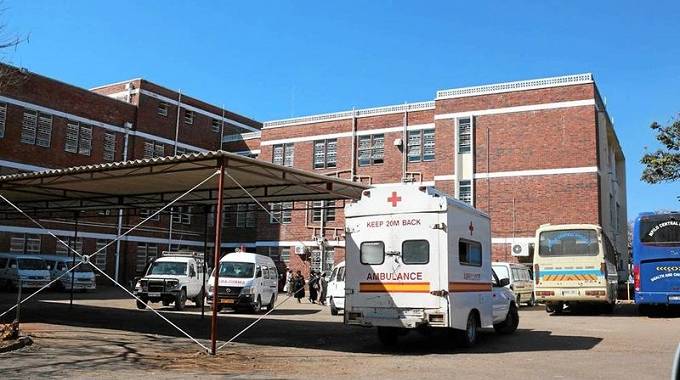
Gabriel Masvora, News Editor
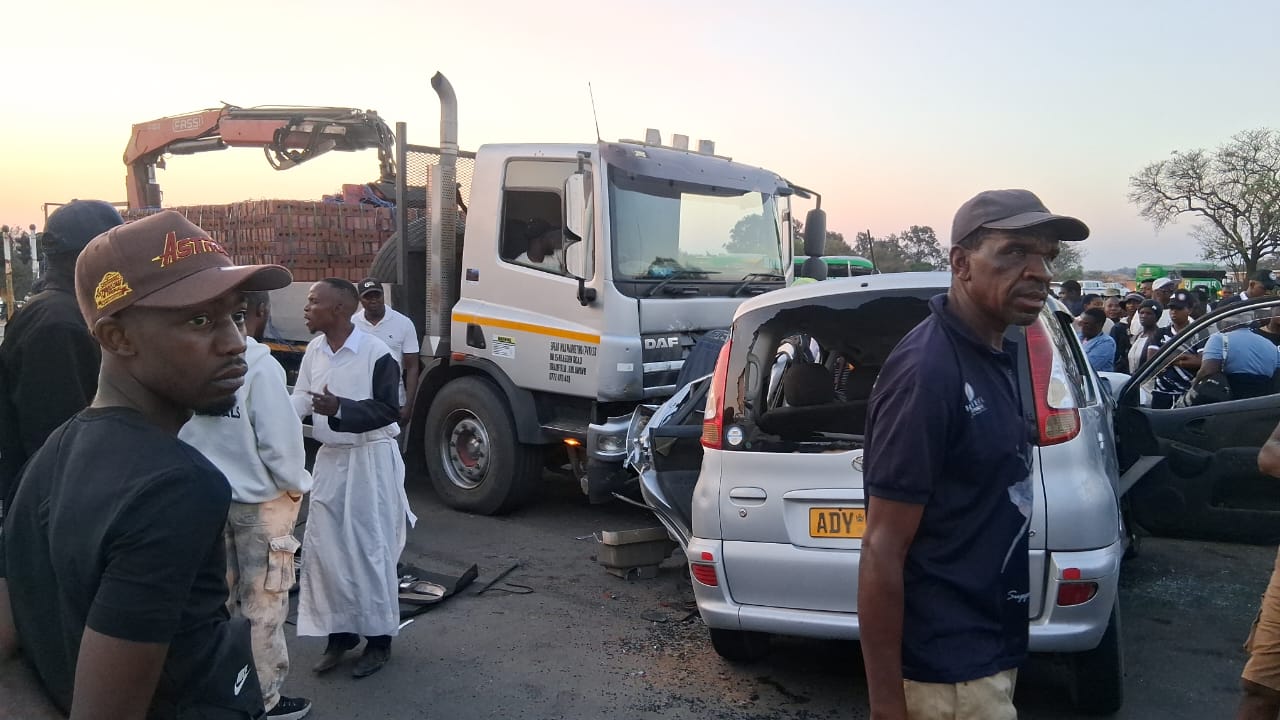
ON Thursday last week around 5pm I received disturbing news that a commuter omnibus carrying schoolchildren from Montrose Girls High and its neighbour, Hamilton High was involved in an accident near Tshabalala in Bulawayo.
According to the caller, a relative of mine who is a pupil at Montrose was among the passengers.
“The kombi overturned and rolled four times before it landed on its roof, police officers are still on the scene but most of those who are injured have been ferried by ambulances to Mpilo Central Hospital. I think it’s better you rush to the hospital than coming this side,” advised the caller.
Naturally after receiving such news the instinct is to drop everything you are doing and rush to the hospital to check on the condition of the injured and progress in treatment. While on the way, although one thought of the condition the relative was in after the accident, at the back of my mind there was that hope that since the injured had been taken to hospital then at least they will quickly receive medical attention.
How close someone involved in an accident is to a medical facility is probably one of the first things that people think of when there is an accident. Little did I know that this would be the beginning of one of the most horrendous experiences, worse at an institution that is supposed to provide relief to those who are sick and give hope to the relatives.
I arrived at the hospital at around 6pm and the injured pupils were seated on the benches waiting to be attended to by doctors.
I stood among the children, with the two who seemed critical already wheeled to the wards. Naturally most of the accident victims were still in shock and could not talk. All what was visible were wounds, lacerations and torn bloodied school uniforms. But the fact that most of the accident victims, at least from a naked eye’s view, looked fine, cheered by parents and relatives who had rushed to the hospital after hearing of the sad development.
“At least we are here now, doctors will check on you and you will be fine,” these were almost copy and pasted words of comfort each and every relative who was there whispered to the young boys and girls to cheer them up.
However, the next hours proved that, well, it is not always rosy as we might assume that visiting a hospital means immediate help for those who are in need. The clerk who seemed more concerned about his small business was just demanding that everyone buys a book from him. The small exercise book is selling in most shops for less than $3 but the clerk was selling it for a “cool” $10.
After securing the book you are forced to go back to the benches and wait. Apart from the clerk, a nurse assistant just writes down the name of the patient in a book and that is it. From 6pm until 9pm there was nothing happening until relatives became restless and approached some nurses, some who were just strolling along the corridor into their room as if they were not at work.
After the complaint that is when the nurses started showing some bit of concern. They then bandaged some of the injured and administered an injection for tetanus.
“They need to go for X-ray to determine the extent of the injuries but unfortunately people who are working in the department have knocked off. We have phoned them and they said they do not have fuel to drive back to work so it means they will look at the injured tomorrow,” a nurse told stunned relatives and the injured pupils.
“Fortunately, we have a doctor who specialises in bones so she will look at them and tell us whether we can admit them or discharge them,” she added.
The message that there was a doctor who could look at the injured brought some relief to us. At least there would be an informed decision at the end of the day. But that was not to be the case. Of course, the doctor was there. She checked one pupil and recommended that he be admitted. After that she went out and that was it, leaving all the other injured pupils agonising on the benches. It was only until 11pm that again relatives approached the nurses to enquire what was the next step.
“Let us try to phone her but she has gone home to eat and rest a bit,” another nurse curtly said.
It was only after 30 minutes that the nurse returned and told the traumatised pupils that she was not sure if the doctor would even return.
“So it is up to you, you can wait for the doctor whom we do not know if she will come back and sleep on the benches or you can go back home and return tomorrow.”
That was now around 12 midnight and imagine the shock among parents and the injured pupils. From 5pm to 12 midnight no meaningful attendance and now the injured are being told to either discharge themselves or sleep on the benches. Most parents opted to take their children home but imagine coming from a hospital with a child who can barely walk without having gotten the medical attention.
The next morning, parents came back with some reporting that they had to endure a sleepless night since the children were in pain. They could not come back to the hospital because they knew they would not get the help. As if that was not enough the parents and their children had to endure another 12 hours before they could be attended to. The X-ray machine at the hospital sometimes freezes and patients have to wait for hours. It was only at 1pm that the X-ray results came out and one had to take them to a doctor at the outpatients’ department. What the doctor also told the parents was disheartening.
“I will only write medication for you and you go and buy at your preferred pharmacies. Those with wounds please go back to your nearest clinic where they will tell you to buy Betadine and they will dress you.”
Imagine this is the medical care given to emergencies such as accidents. Being involved in an accident and only being partially attended to 20 hours later. Accidents cause life changing injuries, some internal and some not visible but with this type of care at our major health institutions then we are doomed.
It was not only about the accident victims but many cases were also not attended to during my watch. The stand-out one was a man who walked in and reported that he was bleeding and had been stabbed in Makokoba. His clothes were soaked in blood but for the hours I was there, the only attendance he got was being told to buy the exercise book from the clerk.
Next time we see the wailing ambulances on the road and motorists give them way, just know that if what I witnessed when I was at the hospital is the way the emergencies are treated, then the emergency ends when the ambulances get to the entrance of the hospital.


 Online Reporter