Online Reporter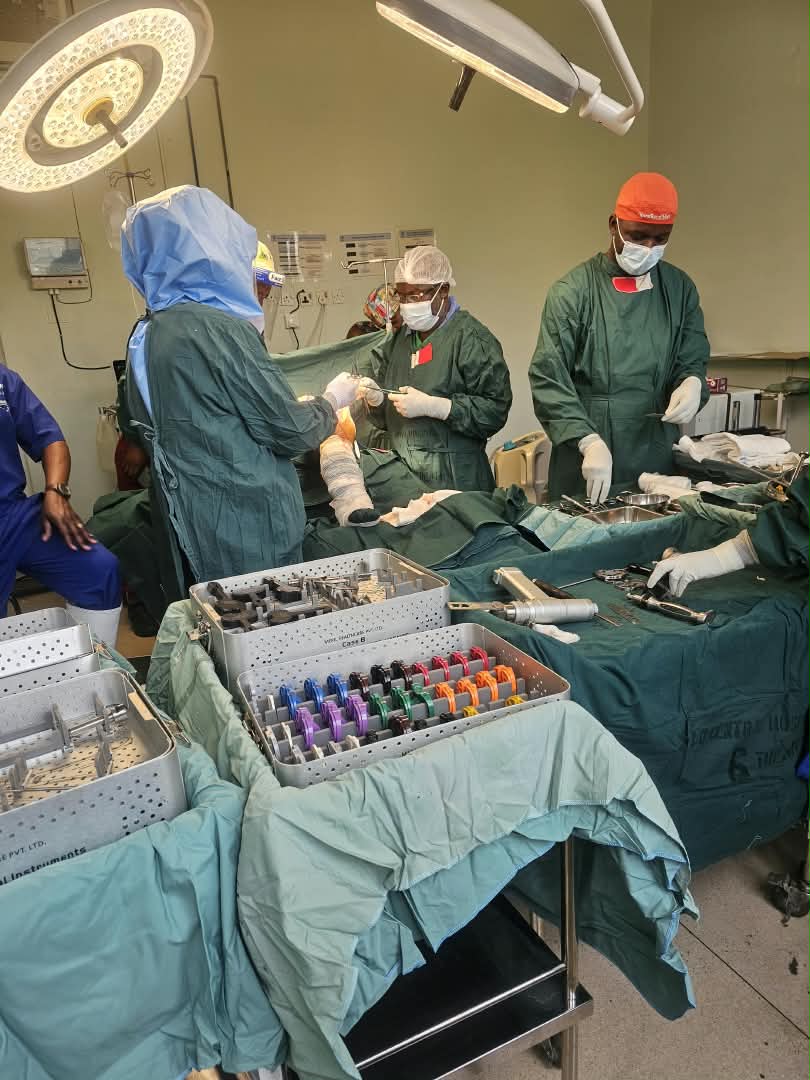
ZIMBABWE’S healthcare sector has long grappled with challenges ranging from resource constraints to a significant brain drain that has left critical gaps in specialised services.
Yet, recent developments at Mpilo Central Hospital in Bulawayo mark a critical turning point.
The hospital’s successful introduction of complex knee surgeries and total hip replacements signals not only a leap in medical capability but also a beacon of hope for equitable healthcare access in the country.
Mpilo’s achievement is historic because it is the first public institution in Bulawayo to perform such advanced orthopedic procedures.
Historically, these surgeries were often only accessible in private hospitals or abroad, making them prohibitively expensive for most Zimbabweans.
The fact that local surgeons can now perform these complex operations domestically signifies a critical step toward reducing dependence on foreign healthcare and improving health outcomes for the aging and rural populations most affected by joint ailments.
This milestone was made possible through a collaborative effort involving a visiting expert, Professor Alessandro Lelli from Italy and the support of Meril Healthcare Pvt Ltd’s Africa Marathon initiative. Professor Lelli’s extensive experience of over 50 years as a knee surgeon brought invaluable knowledge transfer to Zimbabwe’s local surgeons.
His hands-on approach, involving live surgeries and interactive discussions, not only demystified complex procedures but also equipped local professionals with the skills necessary to carry out such operations independently.
The significance of this capacity-building cannot be overstated. It underscores the importance of international collaboration and knowledge sharing in strengthening local healthcare systems.
By training local surgeons, Zimbabwe is cultivating a sustainable model that reduces reliance on expatriate specialists and enhances the country’s self-sufficiency in critical health services where decades of brain drain have depleted Zimbabwe’s pool of specialised surgeons, especially in fields like orthopedics.
Many professionals migrated seeking better opportunities, leaving a void that made it difficult to maintain and expand advanced surgical services.
Mpilo’s new capabilities are testament of Government’s efforts to reverse this trend by rebuilding local expertise and provide high-quality care within the country.
Surgeons like Dr Prince Gwetu and colleagues have expressed enthusiasm about the skills transfer, emphasising the benefits for patients and the healthcare system alike.
We therefore applaud the Second Republic’s continued commitment to improve the ability of public institutions to perform procedures that were previously inaccessible locally.
The development will significantly reduce costs and improve access, especially for the elderly and rural populations suffering from osteoarthritis and other joint conditions.
The practical implications for patients are profound.
Joint replacements can dramatically improve quality of life, restoring mobility and independence for the elderly. Before this breakthrough, many had to travel abroad or wait for specialised services to become available, often at great expense.
Now, these procedures can be performed at Mpilo Central Hospital, at a fraction of the cost of international surgeries, making advanced orthopedic care more accessible and affordable.
Furthermore, local surgeries mean shorter waiting times, immediate post-operative care and the capacity to handle more cases than before. This decentralisation of complex procedures aligns with broader healthcare objectives of equity, accessibility, affordability and sustainability.
Mpilo Hospital’s success serves as a model for other central hospitals across Zimbabwe and the broader region. It demonstrates how strategic partnerships, international expertise and capacity building can transform healthcare landscapes.
This initiative aligns with national health policies aimed at reducing medical tourism, lowering costs and improving health equity.
The Zimbabwean Government’s commitment to public health reform, coupled with collaborative efforts like the Africa Marathon, offers a blueprint for sustainable development in specialised medical services.
It is our hope that is more surgeons gain expertise and infrastructure improves, Zimbabwe can aspire to become a regional hub for complex orthopaedic surgeries.