admin
admin
Patrick Chitumba Midlands Bureau Chief
Midlands State University Language Institute (MSULI) will now offer sign language training to all nurses, doctors and police officers in the Midlands Province in an effort to close the communication gap that has been affecting their ability to provide services to people with a hearing impairment.
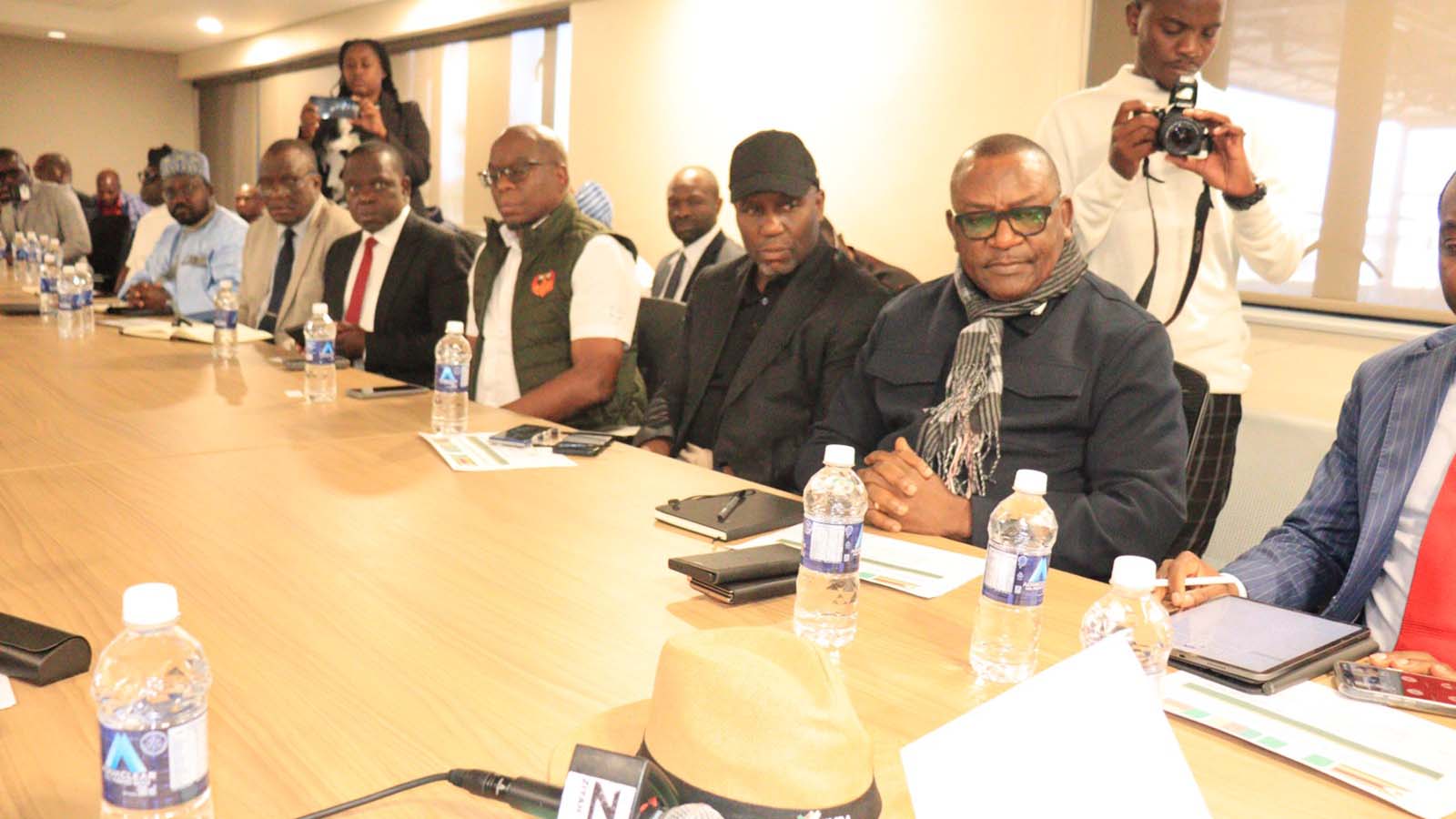
Addressing delegates and academics gathered at the commissioning of the MSULI at the main campus in Senga yesterday, the institute’s director, Professor Wiseman Magwa, said they had noticed a gap that exists in the medical sector and the police force when it comes to dealing with people with hearing challenges.
The institute, Prof Magwa said, has already made an impact in the country by successfully coordinating the translation of the National Constitution into all 16 local languages, including sign language.
“This is a record achievement which has not been realised anywhere in the world except in Zimbabwe.
“The institute has already established partnerships with the Ministry of Justice, Legal and Parliamentary Affairs; Parliament of Zimbabwe; the Zimbabwe Catholic Bishops’ Conference; the Zimbabwe Gender Commission and Ministry of Health and Child Care,” he said.
Prof Magwa said the institute is going to become a centre of excellence in language research and consultancy services.
“The Constitution of Zimbabwe (2013) officially recognises 16 languages, namely Shona, Ndebele, Kalanga, Nambya, Sotho, Tonga, Chewa, Barwe, Koisan, Ndau, Shangani, Tswana, Venda, Xhosa, English and sign language. The only way to develop these languages and cultures is through the institutionalisation of language services such as translation, interpreting, teaching and editing,” he said.
Prof Magwa said the vision of the institute is to be a one-stop world-class language consultancy and support services centre dedicated to the advancement of language research, policy, planning, translation, interpretation, teaching and editing.
Prof Magwa said key services currently being offered by the institute include teaching of marginalised languages (minority) such as Tonga, Nambya, Sotho, Kalanga for degree purposes, teaching language beginners short courses in all the officially recognised languages of Zimbabwe plus some international languages like Chinese, Portuguese and French.
In his keynote address, MSU Vice Chancellor Professor Victor Muzvidziwa said it is important to note that Zimbabwe is a proud and sovereign state that fervently seeks to meaningfully uplift the lives of its people in all spheres in as short a time as is possible.
“One of the areas in which the country wants to do this is in realising the growth and development of all its languages for the benefit of ordinary people in this country.
“This is in line with what many other developed countries did — to recognise fully the value of their national languages as an important pillar of meaningful development.
“The French, Germans, Russians, British, Americans, Spaniards, Portuguese, Japanese, Chinese, Danes, Koreans, Indonesians, Poles and many other countries have all based their industrial and economic development on the strength of their own languages,” he said.
The recognition of these languages, Prof Muzvidziwa said, is critical to the national development agenda, since the development of a people always starts with recognition and use of their languages.


 Online Reporter