

 Online Reporter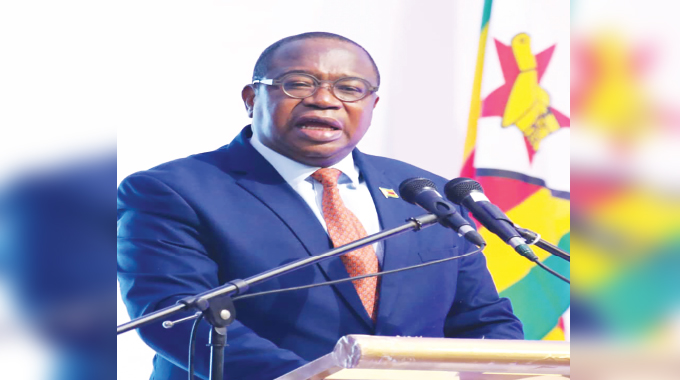
Nqobile Bhebhe and Brandon Moyo,Zimpapers Reporters
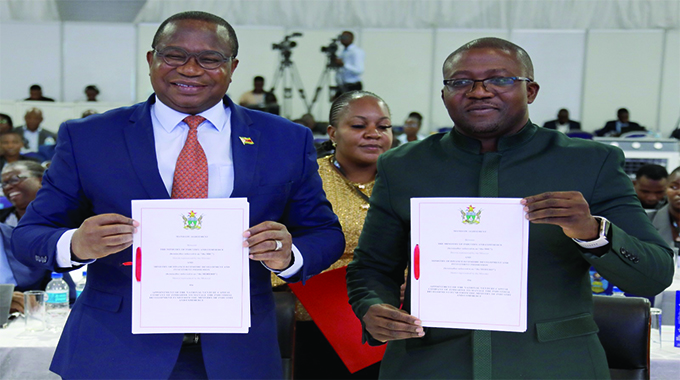
FINANCE, Economic Development and Investment Promotion Minister, Professor Mthuli Ncube, has called for the adoption of a 24-hour economy to stimulate business growth, citing increased electricity availability during off-peak hours as a key opportunity to enhance national productivity.
Although not yet legally recognised, the move towards a 24-hour economy could represent a significant shift for Zimbabwe, aligning its business operations with those of developed nations where such models are fully operational.
Industries that typically thrive in established 24-hour economies include logistics, healthcare, hospitality, fast-food services, entertainment, leisure, and technology, all of which benefit from greater operational flexibility and improved customer service.
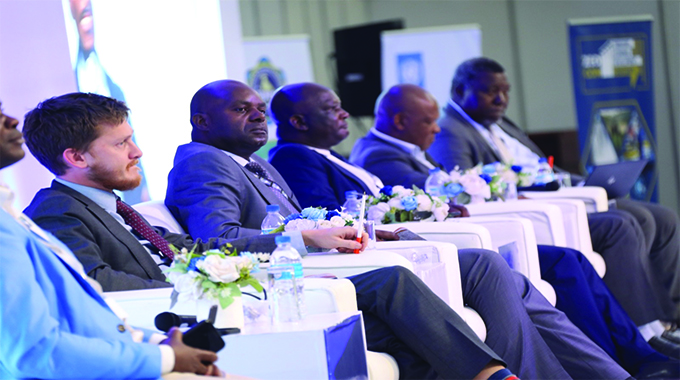
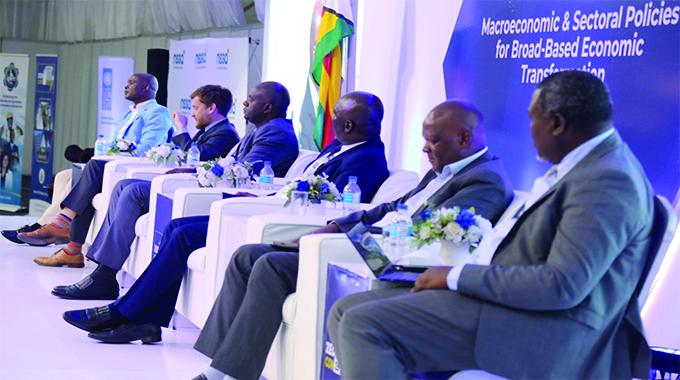
Speaking during a panel discussion at the 4th Zimbabwe Economic Development Conference (ZEDCON) in Bulawayo yesterday, Professor Ncube highlighted the inefficiencies of the current working culture and challenged the nation to rethink its approach to economic activity.
“But also, I think we have an eight-hour economy, don’t we? By 4.30pm, we are all going home. We arrive at the office at 8am, take a two-hour lunch break. By 4.30pm, we are going home,” he said.
Ncube pointed out that significant amounts of electricity go unused during the night, presenting an opportunity for expanded production and service delivery.
“We need a 24-hour economy. Overnight, there is more electricity because the households are sleeping, so it’s actually more electricity,” he said.
He urged stakeholders to consider models adopted by other countries that have successfully implemented round-the-clock economic activity.
“So, again, we need to be certain to have a 24-hour economy. Other countries are doing this, why not us?” he added.
Recently, the Ghanaian government announced plans to implement a 24-hour economy, aiming to transform key sectors and unlock close to US$42 million in jobs.
Ncube’s proposal comes amid ongoing efforts to stimulate domestic economic growth and attract increased investment through innovation and structural reform.
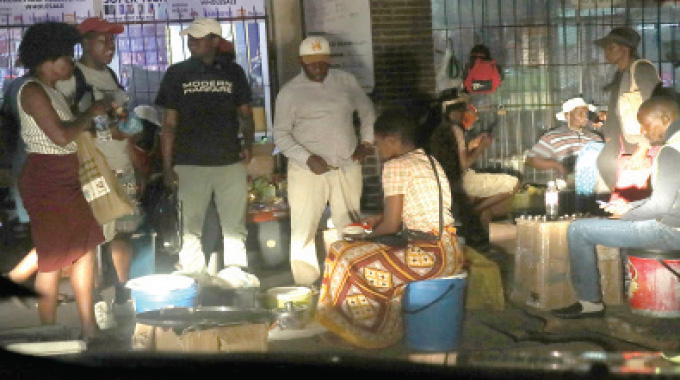
Despite legal challenges and ongoing disputes between night traders and local councils, entrepreneurs in major cities such as Bulawayo, Harare, and Gweru have already embraced the 24-hour business model through night trading of various goods and services.
In Bulawayo, scores of traders flood the city centre at the end of formal business hours, taking advantage of the absence of municipal officers and parking marshals.

Vendors, capitalising on demand from night bus passengers, set up stalls and engage in informal transactions, often involving hard cash. This underground economy operates outside the regulatory framework of the Bulawayo City Council.
Business peaks between 7pm and 8pm, when long-distance buses arrive at informal ranks popular with passengers travelling to Harare and Victoria Falls.
For traders who do not pay rent or utility bills like registered food outlets, earning US$50 per night is considered a decent return, especially for middle-aged women supporting their families.
The night economy around Tredgold Building has become dominant and has also provided a lifeline to taxi drivers, who ferry passengers to long-distance buses or offer convenient transport around the city.
However, sectors such as sport, fast food, healthcare and entertainment — with the exception of nightclubs and bars — remain a missed opportunity in Zimbabwe’s night economy.
Godwin Dube, Chairperson of the Bulawayo Metropolitan Cricket Association, believes that evening sporting events could significantly boost the entertainment sector and contribute to the broader 24-hour economy.
“It’s a very noble idea to have matches across various sporting disciplines played under lights in the evening. That’s why even at Zimbabwe Cricket we are putting up floodlights at Queens Sports Club, and they should be up within the next month,” said Dube.
“In sport, we need to understand that we are in the entertainment industry. Some people can’t attend afternoon or morning games due to work. Hosting sporting functions — be it football, cricket, hockey, rugby or any other code — can benefit the industry massively.”
Dube emphasised the need for dialogue between service providers and sporting associations to ensure favourable conditions and reliable power supply for night games.
“Proper dialogue is needed to ensure that charges are favourable and there is a guarantee of power throughout, because you don’t want any surprises during the games.
The evening economy is something we have to tap into because people need places to go to, and you can actually come with your family and enjoy the games.”
Despite the potential, Zimbabwe’s sporting sector has yet to fully embrace night-time events, leaving a gap in the entertainment offering that could otherwise complement the growing informal and retail night economy.




Focus on improving electricity availability , and not lie to people.Who would not like to sleep Professor.