daniel chigunwe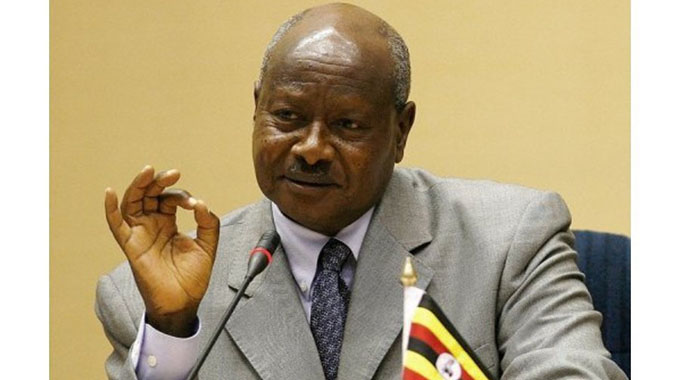
KAMPALA, — Jostling for space, people jam the crowded footpaths crisscrossing a massive open market in Uganda’s capital. They are mostly looking for secondhand clothing, sifting through underwear for pairs that seem new or trying on shoes despite getting pushed around in the crush.
Downtown Kampala’s Owino Market has long been a go-to enclave for rich and poor people alike looking for affordable but quality-made used clothes, underscoring perceptions that Western fashion is superior to what is made at home.
Discarded by Europeans and Americans, these clothes are often purchased from wholesalers and then shipped to African countries by middlemen. It’s a multimillion-dollar business, with some two-thirds of people in seven countries in East Africa having “purchased at least a portion of their clothes from the secondhand clothing market,” according to a 2017 US Agency for International Development study, the most recent with such details.
Despite the popularity, secondhand clothes are facing increasing pushback. Ugandan President Yoweri Museveni, a semi-authoritarian leader who has held power since 1986, declared in August that he was banning imports of used clothing, saying the items are coming “from dead people.”
“When a white person dies, they gather their clothes and send them to Africa,” Museveni said.
Trade authorities have not yet enforced the president’s order, which needs to be backed by a legal measure such as an executive order.
Other African governments also are trying to stop the shipments, saying the business amounts to dumping and undermines the growth of local textile industries. The East African Community trade bloc — consisting of Burundi, Congo, Kenya, Rwanda, South Sudan, Tanzania and Uganda — has recommended banning imports of used apparel since 2016. However, member states have not enforced it at the same pace amid pressure from Washington.
In Uganda, the president’s order has spread panic among traders, for whom such a ban, if implemented, spells disaster. They hawk used clothes in scores of large open-air markets across the country of 45 million people, at roadside stands and even in shops in malls where it’s possible to buy secondhand clothes marketed as new. – AP


 Online Reporter