malvernmugadzikwa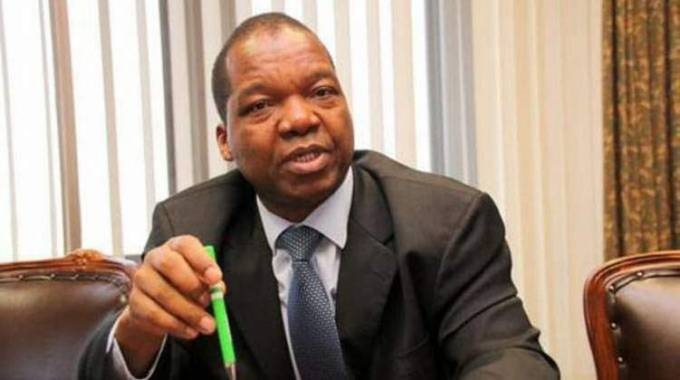
Business Reporter
THE Mutapa Investment Fund says it has started implementing interventions to turn around the performance of companies under its control by ensuring that they have fully and appropriately constituted boards of directors.
The move signifies Mutapa’s commitment to providing a results-oriented strategic direction for the companies and strengthening their governance systems to achieve the objectives of Zimbabwe’s sovereign wealth fund — wealth creation and long-term economic stability, chief executive officer Dr John Mangudya told this publication in an interview.
The former Reserve Bank of Zimbabwe Governor said the ongoing process was meant to ensure the boards possessed the necessary functionality to align with the fund’s strategic goals.
“As part of our ongoing operationalisation efforts, we are actively appointing expired boards and addressing incomplete boards within companies under Mutapa’s control,” said Dr Mangudya.
“We conduct thorough probity checks to ensure prospective directors possess the necessary experience and skills that align with the fund’s strategic goals.
“This rigorous due diligence process is followed by additional vetting by relevant authorities,” he added.
He said having fully and appropriately constituted boards for State entities is critical for proper management and performance since that ensures good corporate governance.
Boards are critical in providing the oversight required to drive performance, he added.
Dr Mangudya said the ongoing operationalisation drive would see the fund addressing the issue of incomplete boards at entities like ZUPCO, a mass public transport company; retailer Silo; Allied Timbers; National Railways of Zimbabwe; AFC and Cottco.
He added that the fund was also undertaking complete board restructuring for companies like POSB to drive Mutapa’s strategic vision.
Zimbabwe’s State enterprises and parastatals, at their peak, contributed 40 percent to the Gross Domestic Product. However, poor management, corruption and weak governance systems have seen them being run down, with contribution to the economy plummeting to an estimated 2 percent.
Other entities that now fall under the purview of Mutapa include NetOne, Air Zimbabwe, TelOne, the National Oil Company of Zimbabwe, the Cold Storage Company, Fidelity Gold Refinery, Homelink, Zimbabwe Power Company, the Industrial Development Corporation of Zimbabwe and Hwange Colliery Company.
The Sovereign Wealth Fund Act (Chapter 22:20), which established the Sovereign Wealth Fund of Zimbabwe, was promulgated in 2015.
Since then, the operationalisation of the fund progressed slowly as the Government explored various ways of effectively capitalising the fund.
Following comprehensive consultations with stakeholders, President Mnangagwa made a decisive move to operationalise and adequately capitalise Mutapa.
The critical decision involved amendments to the Sovereign Wealth Fund Act through Statutory Instrument 56 of 2023.
These amendments included the initial transfer of Government shareholdings in 22 entities to Mutapa.
In addition, the fund underwent a name change, transitioning from the Sovereign Wealth Fund of Zimbabwe to Mutapa Investment Fund, as stipulated in the Mutapa Investment Fund: Presidential Powers (Temporary Measures) (Investment Laws Amendment) Regulations, 2023.
Some observers said the strategic initiative by the Government demonstrated commitment to leveraging on its national resources for sustainable economic growth and prosperity.
An International Monetary Fund (IMF) team led by Mr Wojciech Maliszewski, which was on a second mission to Harare from June 18 to 27, 2024, noted that the newly constituted Mutapa Investment Fund would “be key for the stabilisation effort”.
In recognising the Mutapa Investment Fund’s crucial role in national economic stabilisation, the mission emphasised the need for a robust governance framework.
The IMF mission said the framework should prioritise several key areas, starting with a clearly defined mandate. The fund’s purpose and goals must be clearly outlined, and demonstrably aligned with Zimbabwe’s National Development Strategy.
It further noted that the fund’s operations, including annual budget, investments, asset sales and borrowing plans, should be subject to rigorous scrutiny and approval by the Ministry of Finance, Economic Development and Investment Promotion.
This aligns with existing regulations governing public entities under the Public Finance Management Act.
The mission said the fund must adhere to the highest ethical and financial standards expected of any corporation to ensure responsible management of national resources.
“Strengthened governance framework for the newly constituted Mutapa Investment Fund will be key for the stabilisation effort,” said the IMF mission.
“Steps to this end should include ensuring that the fund’s mandate is clearly defined and aligned with the National Development Strategy; enhancing its transparency and ensuring full integration in the budget process and adhering to highest standards of corporate accountability.”
Analysts say the Mutapa Investment Fund represents a powerful tool for long-term economic stability.
Through strategic investments and sound management, Mutapa can generate wealth that strengthens national finances and fuels sustainable growth.
“By fostering good corporate governance and channelling resources into key sectors, Mutapa can act as a catalyst for economic revival,” an investment analyst with a local pension fund said. “A well-managed sovereign wealth fund can attract foreign investment and boost investor confidence in Zimbabwe’s future.”
The analyst said its full operationalisation was a significant step towards economic resilience and it could serve as a buffer against external shocks and provide resources for critical infrastructure development, ultimately promoting a more stable and prosperous Zimbabwe.
Several successful sovereign wealth funds around the world can be used as evidence of Mutapa’s potential to stabilise and grow the Zimbabwean economy.
For instance, the Norwegian Government Pension Fund Global, established in 1990, is the world’s largest sovereign wealth fund with over US$1,6 trillion in assets as of May 2024.
It invests the government surplus from Norway’s oil and gas industry, and has played a significant role in ensuring the country’s long-term economic stability and social welfare.
The Government of Singapore Investment Corporation, founded in 1981, manages Singapore’s foreign reserves and has grown to become one of the world’s most successful sovereign wealth funds. It invests globally and has contributed significantly to Singapore’s economic development and diversification.
The Abu Dhabi Investment Authority, formed in 1976, manages the surplus revenue from Abu Dhabi’s oil exports. It has become a major global investor and played a crucial role in diversifying Abu Dhabi’s economy beyond oil dependence.
The leading global sovereign funds have demonstrated their potential to generate long-term wealth through strategic investments and create a steady stream of income that benefits the nation.
They have acted as a buffer against economic shocks as accumulated wealth can be used to stabilise the economy during downturn periods.



 Online Reporter