Tendai Gukutikwa
Health Reporter
MUTARE District’s indoor residual spraying (IRS) programme is recording impressive acceptance rates of between 86 and 99 percent as health authorities intensify efforts to shield communities from malaria-carrying mosquitoes.
The campaign, which began on October 1, has so far covered both rural Mutare and parts of the city’s urban areas, with health officials describing community response as overwhelmingly positive.
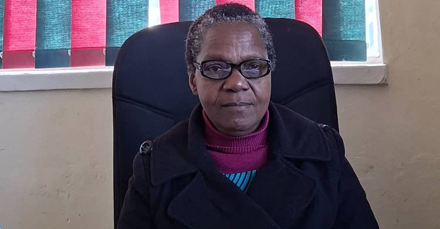
In an interview, Mutare District Health Promotions Officer, Mrs Sophia Nezandonyi, said the programme remains one of the district’s most effective weapons against malaria, a disease that continues to pose a serious public health threat in Zimbabwe.
“We are conducting indoor residual spraying as one of our primary strategies in fighting malaria in Mutare District. Since we started on October 1, our spray operators have been moving across the district, encouraging communities to allow their homes to be sprayed to protect them from malaria,” she said.
The district aims to spray 170 100 rooms in 32 309 households across 28 targeted wards. Progress is measured by the number of rooms treated rather than households alone.
Mrs Nezandonyi said encouraging acceptance levels have been recorded throughout the programme’s 63 operational days.
“Our daily acceptance rates have been encouraging, with the highest reaching 99 percent, while the lowest recorded in some wards has been 86 percent,” she said.
To date, spray operators have treated 127 372 rooms, representing significant progress towards the district’s target.
However, challenges remain. A total of 3 670 households declined to participate in the exercise, while 2 863 households were missed because occupants were away when spraying teams visited.
“Some households were locked when our spray operators visited them because the occupants had gone to work or travelled. In some cases, however, people deliberately lock their doors and hide because they do not want their houses sprayed,” said Mrs Nezandonyi.
She said health teams are conducting follow-up visits to reach households that were initially missed and ensure more families benefit from the intervention.
Indoor residual spraying involves applying insecticides to walls and other interior surfaces where mosquitoes typically rest after feeding. The chemicals remain active for months, killing mosquitoes on contact and helping to break the cycle of malaria transmission.
“The exercise involves applying insecticides to the interior surfaces of houses, particularly walls, where mosquitoes commonly rest after feeding. The chemicals remain active on treated surfaces, killing mosquitoes that come into contact with them and helping to interrupt malaria transmission,” she said.
Mrs Nezandonyi explained that the effectiveness of the insecticide depends largely on the type of surface sprayed.
“On cement walls, the residual effect of the chemicals lasts longer than on wooden walls and doors. Depending on the surface, protection can last between three and nine months, but the purpose is to kill mosquitoes that rest on the sprayed surfaces,” she said.
She stressed that indoor residual spraying remains a key pillar of the Ministry of Health and Child Care’s malaria prevention strategy, adding that community participation is critical to the programme’s success.
“Malaria kills, and a nation cannot develop when its people are constantly falling sick or dying from preventable diseases. A country’s development depends on the health of its people, which is why we are encouraging communities to take this programme seriously,” she said.
Mrs Nezandonyi urged residents to welcome spray operators and seek clarification from health officials whenever they have concerns about the process or chemicals being used.
She also encouraged anyone experiencing malaria symptoms to seek immediate medical attention.
“People should welcome our spray operators and allow their households to be sprayed. If there is anything they do not understand about the process, they should ask our teams so that we can explain and ensure they are protected.
“Those who develop symptoms of malaria should visit health facilities immediately for diagnosis and treatment,” she said.
According to the World Health Organisation (WHO), early symptoms of malaria include fever, headaches and chills, which may initially resemble other common illnesses. Severe cases can rapidly progress to complications such as breathing difficulties, convulsions, confusion, jaundice and organ failure if treatment is delayed.
Mutare’s anti-malaria drive records 99 percent acceptance