Online Reporter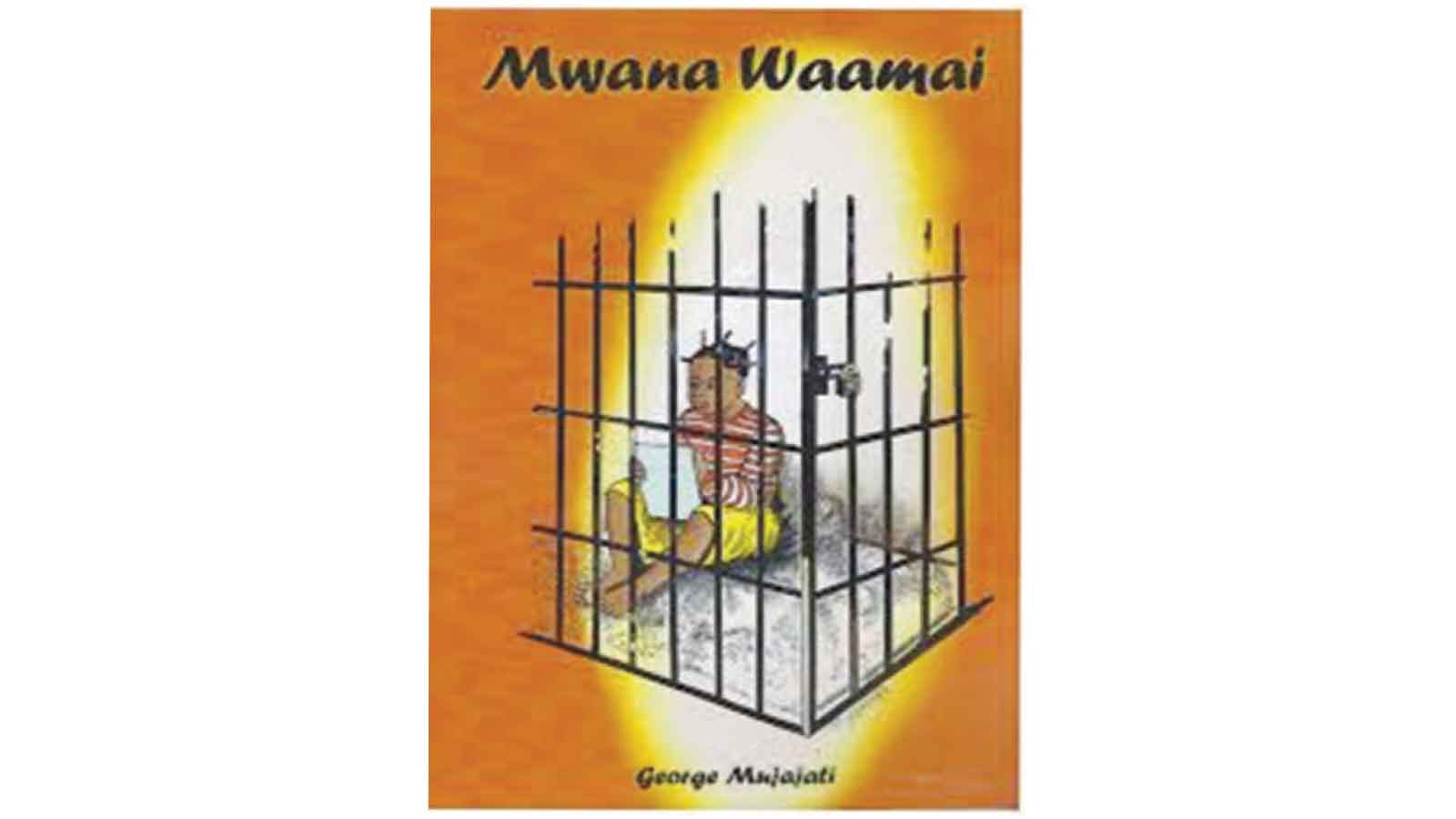
Remember Deketeke-Book Review
There are novels one reads and forgets, and there are those that linger painfully in the conscience long after the final page has been turned.
“Mwana waAmai” by George Mujajati belongs to the latter category. The novel opens emotional wounds society often prefers hidden beneath the silence of respectability and family honour.
Through the deeply disturbing line, “Kubatiswa pamuviri nababa vakakubereka here chokwadi?”, Mujajati immediately drags the reader into the tragic heart of the narrative, a world where innocence is violated within spaces expected to provide protection.
Far from being included merely for shock value, the line becomes an indictment on communities that normalise silence around gender-based violence.
It forces society to confront uncomfortable truths about abuse perpetrated behind closed doors.
Written in epistolary form, the novel unfolds through letters exchanged between two teenage friends, Monica and Gamuchirai.
This technique gives the narrative of emotional immediacy, allowing readers to witness Monica’s gradual psychological collapse through her own voice.
The letters become more than communication; they become cries for help from a young girl trapped between despair and survival.
Initially, the letters carry the innocence and humour associated with youthful friendship.
Gamuchirai, fortunate enough to continue with her education at Assisi Secondary School, narrates amusing incidents from boarding school life, including the girl who pretends to be American, claiming: “I can’t speak Shona . . . I was born in America.”
These humorous moments briefly soften the emotional intensity of the novel, while simultaneously exposing the widening gulf between privilege and hopelessness.
Gamuchirai inhabits a world of opportunity, whereas Monica remains imprisoned by poverty and circumstance after failing to have money to continue after Grade Seven.
Monica’s despair emerges gradually and painfully.
Her cries, “Vamwe tingangodzimara kupinda muguva tisati tamboverenga kana bhuku rimwe chete zvaro rokumafomu,” reveals not merely frustration, but the death of youthful dreams before they are fully born.
There is poignancy too in her plea:“Shamwari Gamuka, ndinamatirewo. Pamwe angangondikomborerawo rima riri muupenyu hwangu rikabhedhenuka.”
Within that prayer lies the fragile hope of a girl desperately searching for light in overwhelming darkness.
However, it is the revelation of Monica’s pregnancy that transforms the novel from a coming-of-age story into a devastating social commentary. The horror becomes even more unbearable when the perpetrator is revealed to be her own father. Perhaps one of the novel’s most emotionally charged moments comes when Monica bitterly confronts him:
“Chifarai mubike mabiko okupemberera nhumbu yenyu yandiinayo!”
The statement drips with wounded sarcasm and emotional exhaustion.
Yet, true to the behaviour of many abusers protected by patriarchal authority, the father immediately retreats into denial: “Nyarara kutaura matakanana auri kutaura ayo.”
Through this exchange, Mujajati exposes how silence, fear and authority often combine to protect perpetrators while condemning victims to shame and isolation.
The emotional devastation reaches its peak when Monica confesses: “Pane dzimwe nguva dzaunonyatsoona kuti kufa kuri nani pane kurarama”.
This is not simply a cry of sadness.
It is the voice of psychological destruction.
Mujajati carefully demonstrates how abuse does not merely wound the body, but it dismantles identity, dignity and hope itself.
What gives “Mwana waAmai” its enduring power is the author’s refusal to romanticise suffering.
There are no convenient rescues, miraculous interventions or artificial happy endings.
Instead, the novel forces readers to sit uncomfortably with the reality many victims endure in silence.
In many ways, Monica becomes more than an individual character.
She symbolises countless young girls whose pain remains hidden beneath cultural expectations, poverty and fear.
Stylistically, Mujajati’s use of letters creates intimacy and authenticity.
Readers do not observe Monica from a distance, but they suffer alongside her.
This narrative closeness explains why the novel continues to resonate strongly with generations of readers. Ultimately, “Mwana waAmai” succeeds both as literature and social testimony.
It educates, unsettles and emotionally challenges the reader while exposing the devastating intersection of poverty, abuse and gender inequality.
It is a painful novel to read, yet perhaps that pain is precisely its greatest achievement.
For an immersive reading experience, visit the Typocrafters (DigiHub) retail shop at Herald House, corner George Silundika Avenue and Sam Nujoma Street in Harare.