Fadzayi Maposah-Correspondent
When we were in high school there were many myths that we heard. The myths even affected how then we behaved.
My aunt Bongani and I have an age difference of two years. She is more of a sister than an aunt. Now that we are all grown up, the age difference does not show that much.
I even have more grey hair than she does and if having grey hair meant one was the mother, I would be her mother. We used to wear each other’s clothes, whether it was where we stayed (and my father’s work took us to many places!) or kumusha kuRockford.
We were together as we went to fetch water. We went to get firewood in the mountain that is very close to my maternal relatives’ homestead. The same mountain that provided us with firewood also provided us with much tsubvu.
That mountain carries many childhood memories. We had older relatives who would be with us all the time. It is funny that back then we had many moments when we were together.
Maybe then, people made time to be together. Alternate holidays were kumusha. Or is it the people we spent time with then are no longer there? While it takes less time to get kumusha now than it did many years ago, it seems that kumusha is now a longer distance emotionally away. How we used to spend an entire day on the bus travelling to be with others kumusha kuRockford where my mother’s family stayed or kumusha kuChikato where my paternal grandmother stayed.
The people who are there now are my relatives, but because we do not see each other physically as we did in the past, our relationships are not the same. Sadly.
Improved communication channels enable us to stay in touch more. We can have video calls in real time. We can view social media post and like them by sending a sticker or even emojis, but the question is how well do we know one another despite our frequent interaction on our gadgets and mobile phones.
Call me old fashioned, but I miss the physical contact that we had many years ago. There are things that can be derived from a physical meeting that can never be achieved from virtual interaction.
The virtual meeting closes a gap that a meeting is enabled when people are not able to be together in one place, but is it just me, that there are elements that are missing even as the meeting is considered done! I am getting emotional and the nostalgia of how we used to do things in the past seems to have caught up with me.
When we were growing up, for me to be able to wear my aunt’s clothes and for her to wear mine, the elders would ask that we take a bite of the clothes before wearing them.
I have shared in the past how a cousin told us that since we had begun menstruation we could not just wear each other’s clothes as doing so would transfer period pain from one another. I have no clue how the science works, but back in our teenage years, we did a lot of clothes biting.
As a teenager, I heard that those who had short periods had low fertility. When one mentioned that they had a menstrual period for about three days there were looks of pity and some looked worried when someone pointed out that they had low fertility based on the myths that spread all the time.
When one shared that they were on a menstrual period for almost a week, it was deemed that they were highly fertile. Then one would just be uptight thinking that since they had less menstrual days, their fertility was low. Very few people are willing to go for fertility tests before they faced challenges.
When they fail to have children, then they will start seeking medical help. Others go to the health facility last. Prior they will go to their church, visit other churches where they do not usually worship, but where they have been told that there are people who can assist.
After churches, some people visit herbalists, after herbalists some go to traditional healers and then maybe later try seeking medical help. Others start with health facilities and then combine medical help with church or with herbalist or with their faith.
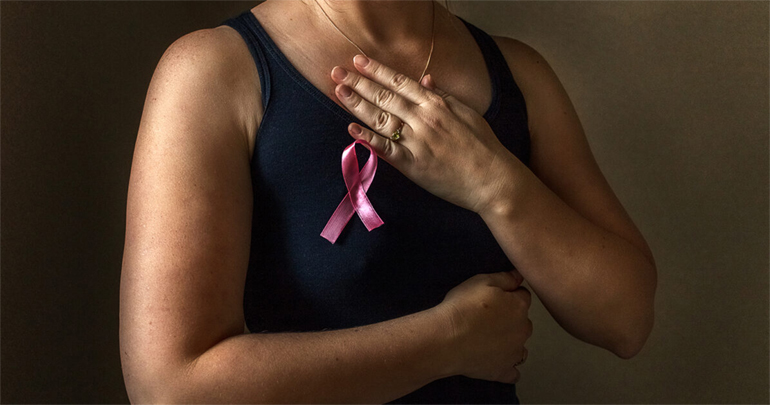
This October is Pinktober, a month to raise awareness on breast cancer. There are many activities that ensure increased awareness of breast cancer.
Understanding that people are complex, the activities are made attractive so that people feel free to participate. There are organisations that are fusing awareness with fun and games.
In between the fun and games, services are made available. During one of the activities that I witnessed, a myth was shared among the participants. They had looked at their breasts and were convinced that they had a low risk of breast cancer as they have small breasts. They discussed their relatives who were at home saying to themselves that they were the ideal candidates for breast awareness and breast examinations.
Now these are people who are receiving information and still feel that those who are absent are the most ideal beneficiaries! So sadly, as some people walk with big breasts, there are some with smaller breasts who think that they are safer!
They have the same thinking with those who think that the longer the periods, the more fertile one is. It is always important to get information than make conclusions based on myths. There are some women who have small breasts who have concluded that there is no need for them to get examined because there is really nothing to examine! Really?
It is always better to be safer than to be sorry. So just you know, while it may be challenging to examine larger breasts, there is no connection between breast size and the risk of breast cancer. It is possible for women with larger breasts to complain of back aches. Before the month comes to an end, go for breast examinations, get information, no matter your breast size!