Online Reporter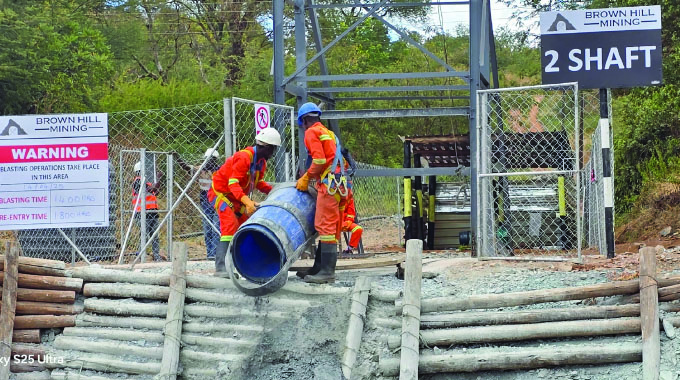
Conrad Mupesa, Features Reporter
IMAGINE standing 200 metres underground, the darkness pressing in when suddenly you hear the ominous hiss of a snake.
Your heart races, adrenaline surges and instinct kicks in — fight or flight!
But what if you chose to do nothing?
Not out of fear, but because confronting that snake could jeopardise your chances of striking gold?
Surreal, right?
In the world of artisanal gold mining, legends and superstitions reign supreme.
Just as the snake might slither away untouched, bizarre beliefs surround the miners’ every step.
Engaging in any romantic encounters near the mine?
A no-go!
It’s thought to spell disaster for gold production.
And don’t even think about wearing the wrong colour while mining — certain hues are rumoured to sabotage your luck in finding that precious yellow metal.
In the realm of artisanal mining, a peculiar belief prevails.
Menstruating women are forbidden near the mines, as their presence is thought to bring misfortune and diminish gold yields.
Surprisingly, this idea echoes through communities and is fiercely upheld, especially in a sector where women are increasingly carving out their niches.
In sharp contrast, women in formal mining roles have defied the odds, claiming their space as geologists, engineers, and blasters without restriction — without any drop in productivity.
Ms Emily Nengome from Chegutu, a seasoned player in artisanal mining for over a decade shares her views on these myths: “Before menopause, I believed it too! And let me tell you, it seemed to work.” Now a guardian of tradition, she warns young women to stay away from the mine while on their period.
Adding to the intrigue is Mr Zacharia Dube, a male miner at the Pickstone Artisanal Mining site.
He echoes Ms Nengome’s sentiments, asserting that men’s mining endeavours are often sidelined by fears of bad luck associated with the women’s presence.
“We keep them away from the shafts,” he insists, aligning with the ancient beliefs that govern the land — a dance with superstition.
Senator Chief Ngezi (Peter Pasipamire) himself confirms these age-old taboos.
“No menstruating woman should approach the mines. It is forbidden. We also respect the snakes, we cannot kill them,” he states emphatically.
At an electrifying working session in Harare focused on Gender and Child Labour in Zimbabwe’s Artisanal Small-scale Gold Mining (ASGM) sector, Dr Chiedza Chipangura, a trailblazing female miner, shone a spotlight on a pressing issue: the hazardous exposure of women and children to mercury and other toxic substances, stemming from their exclusion from the actual mining activities.
This dynamic gathering brought together representatives from various ministries, including Environment, Health, and Women’s Affairs, all united by a common goal.
Organised by PlanetGold Zimbabwe, the session delved into critical discussions about reducing and ultimately eliminating the use of mercury in ASGM.
“Women are often relegated to the dangerous task of trapping gold with hazardous chemicals like mercury and cyanide,” Dr Chipangura revealed.
“This is largely due to widespread beliefs that unjustly keep women away from the mining shafts, where the real action happens.”
Challenging these long-held myths, mining engineer Jonathan Mapangisana from Brown Hill Mine in Chegutu stood firmly in support of women in mining.
“At our mine, we employ women who work through every circumstance, including their menstrual periods, and it has never impacted our production,” he asserted confidently.
This session not only highlighted the challenges but also ignited a call to action, pushing towards a future where women and children can thrive in the mining industry without fear or danger.
Artisanal miners are vital players in Zimbabwe’s economic symphony, feeding the relentless machinery of Fidelity Printers and Gold Refineries, the sole buyer of gold in the country.
With the advent of a gold-backed currency, the Zimbabwe Gold, the Government’s push for sustainable mining practices is transforming fortunes.
The Government is shattering barriers in the artisanal sector, encouraging local youth, both men and women, to dig deep while promoting environmentally friendly methods.
Financial backing and modern equipment have breathed new life into mining operations, skyrocketing gold output.
In a ground-breaking move, the Ministry of Mines and Mining Development has created a Department of Gender Mainstreaming.
This initiative aims to forge a society where everyone, men, women, boys, and girls, can contribute equally to national development.
The Government acknowledges the pivotal role women play in gold production, rallying support and resources to cultivate their talents further.
Ms Sandra Mudzengerere, the department’s director, boldly declares the government’s mission: to eradicate gender discrimination through an inclusive policy that uplifts all.
“We’re funding several women empowerment projects and providing support for victims of gender-based violence,” she emphasised.
Despite these positive developments towards gender mainstreaming, a rich tapestry of myths intertwines with the determination of women and men alike, each vying for their share in the elusive gold rush while navigating age-old fears.
Who will emerge victorious in this battle of ancient beliefs and modern aspirations?
Only time will tell!.