

 Online Reporter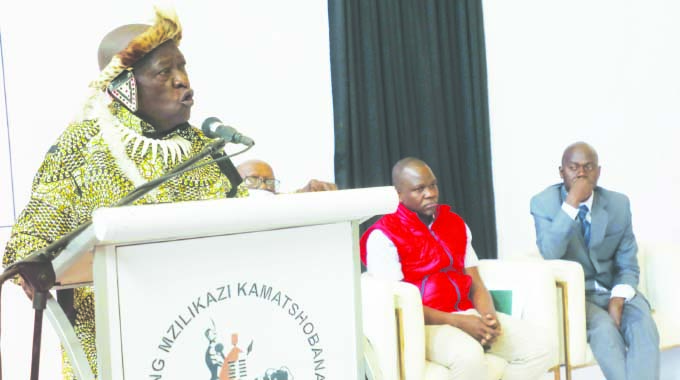
Bruce Ndlovu and Langalakhe Mabhena, Zimpapers Writers
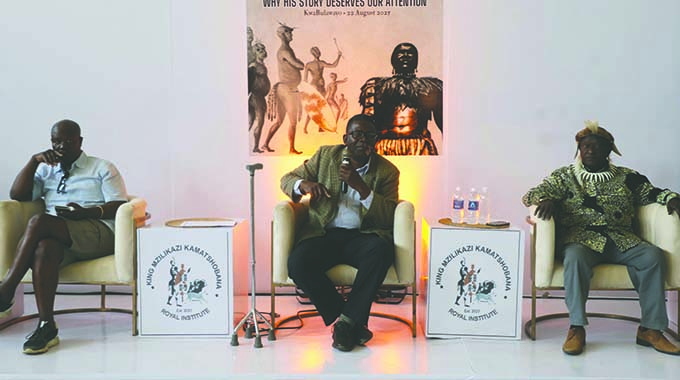
KING Mzilikazi Khumalo should be remembered as a visionary nation builder rather than a bloodthirsty conqueror, traditional leaders, members of the Khumalo royal family, and cultural experts said yesterday at the King Mzilikazi Indaba in Bulawayo.
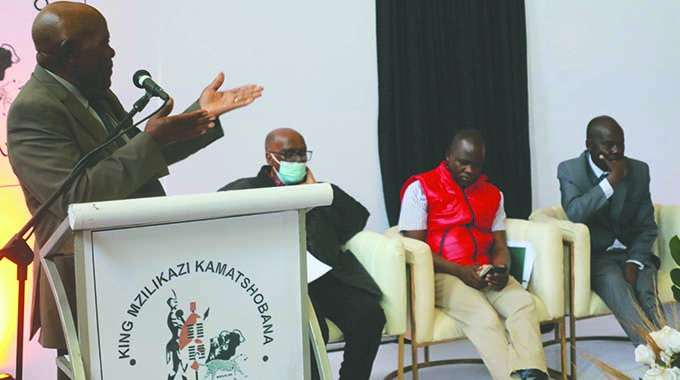
The gathering, held at the Large City Hall and hosted by Zimpapers in partnership with KIMMRI Publicity and Resources Mobilisation, set the tone for this year’s King Mzilikazi Day Commemorations, which will be held at Mhlahlandlela on September 6 and 7.
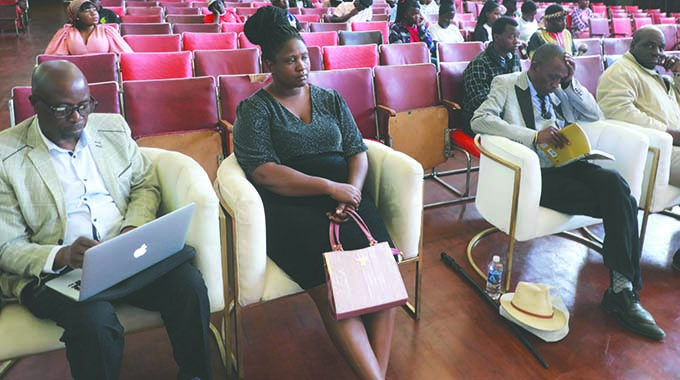
The event comes at a time when King Mzilikazi is once again under the spotlight, with the blockbuster Mzansi Magic series Shaka Ilembe making the monarch a regular topic of conversation on social media and other platforms. On the eve of the increasingly popular Mzilikazi Day Commemorations, chiefs, members of the Khumalo royal clan, and academics encouraged Zimbabweans to use the history of the founding Ndebele monarch as a rallying point in the ongoing effort to preserve indigenous history and culture, which remains under threat even after the end of colonialism.
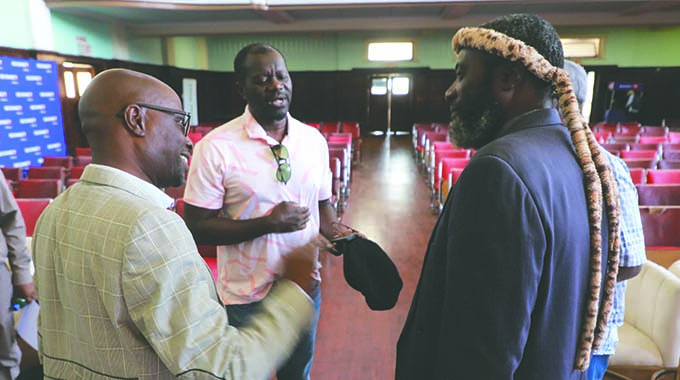
Speaking at the Indaba, Prince Peter Zwide Khumalo, a member of the Khumalo royal family, said that it was important to preserve King Mzilikazi’s legacy, as exemplified by such initiatives as the annual commemorations, which were born in the year 2000, after the realisation for the need to revive the spirit of King Mzilikazi, which was slowly fading at the time.
“This movement started in 2000 after realising that the story and the history of King Mzilikazi were slowly fading. We saw the need to wake up, stand our ground, and do something to revive his great legacy. As we turn 25 years, celebrating this day, we must all embrace the legacy of King Mzilikazi by coming together to commemorate this day as we are a united nation because of his vision,” said Zwide.
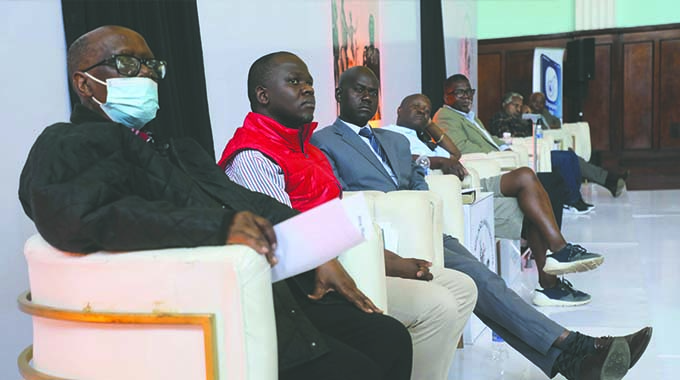
He encouraged people to show respect to traditional chiefs as they were chosen to guide the nation accordingly, especially on cultural and heritage issues.
“We are all under the leadership of the chiefs, and we have to respect them because they are our traditional leaders who were divinely chosen to lead us. We, as the Khumalos we must go through the chiefs if we are to practice anything that has to do with the nation because even Mzilikazi himself depended on his trusted chiefs to make important decisions,” said Zwide.
His sentiments were echoed by Chief Mathema, who said that embracing King Mzilikazi’s legacy was important, as his actions could serve as a compass for present and future leaders in the country.
“As chiefs, we are happy that we have been given a platform to be part of the organisers of this year’s annual King Mzilikazi commemorations. This shows that as cultural custodians and leaders, we are treated with respect when it comes to issues that concern our people and the nation.
“As we revive the legacy of King Mzilikazi, it is important for us to go back to history and appreciate the kind of King he was. He cherished the Ndebele culture as he led with dignity and respect. As people, we have to retrace our culture and values because they ground us. Knowing our past will make us know about our future,” said Chief Mathema.
Academic Dr Samukele Hadebe said Zimbabweans should shun colonial narratives that sought to portray King Mzilikazi as a bloodthirsty conqueror, as his actions instead showed an astute statesman and leader.
He said, given the fact that the nucleus of the state that he founded has stayed intact even during and after colonial rule, Mzilikazi’s nation-building skills could not be questioned.
“Mzilikazi was not a conqueror or a dictator. If he were like that, then after his death, the people he absorbed along the way could have returned to their respective places. The fact that they stayed is a sign that there was peace in his kingdom. The state house in Bulawayo was built on the exact location of Mzilikazi’s home (Isigodlo seNkosi). That on its own is a portrayal of power that King Mzilikazi possessed, and his leadership is still relevant today, a sign that his story is not forgotten,” said Dr Hadebe.
His sentiments were echoed by historian Methembe Hadebe, who said that while all the Nguni people who fled Zululand, either evading Shaka or Mfecane, had lost the Nguni language and tone, the Ndebele of Mzilikazi found in Zimbabwe had maintained their language and culture.
“We have Nguni people in Zambia, Malawi, and even Tanzania. All of them have lost the Nguni tone and language. But the Ndebeles of Mzilikazi must take pride in themselves because they have managed to retain the proper Nguni language. Even after colonisation, the tone is still clear,” said Hadebe.
Mthwakazi kaMzilikazi Cultural Association Chairman Sipho Gama pleaded with people to take pride in themselves and their history, with the first step being playing a part in the maintenance of King Mzilikazi’s grave located at Mhlahlandlela within the Matopo Hills National Park. He further said parents must groom children in Ndebele teachings and ways of life, so that the history could be passed from one generation to the next.



 Bongani Ndlovu