Robin Muchetu, Health and Gender Editor
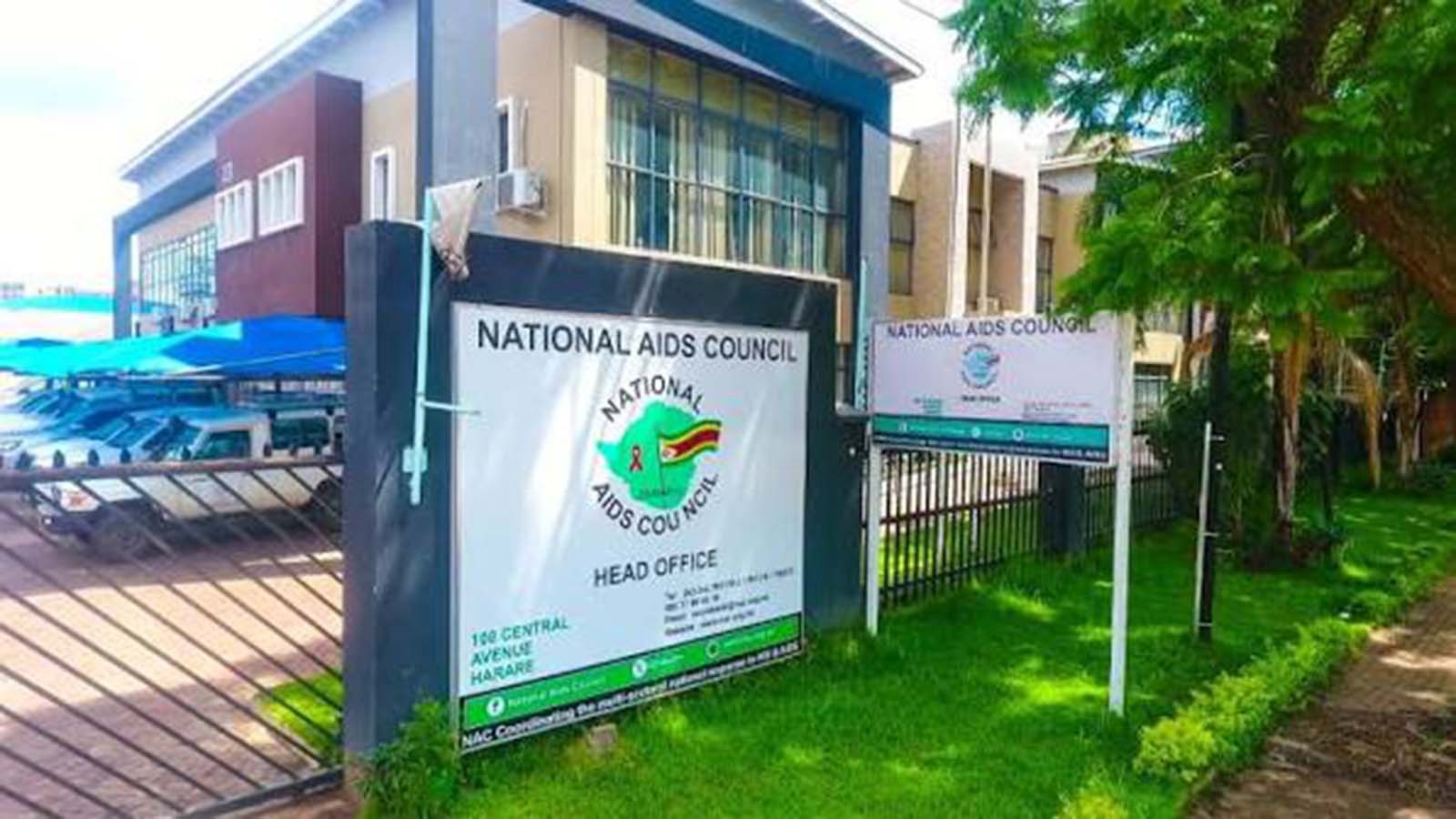
PLANS are being considered to expand the mandate of the National AIDS Council (NAC) beyond coordinating the national HIV response to include addressing the growing burden of non-communicable diseases (NCDs) in Zimbabwe.
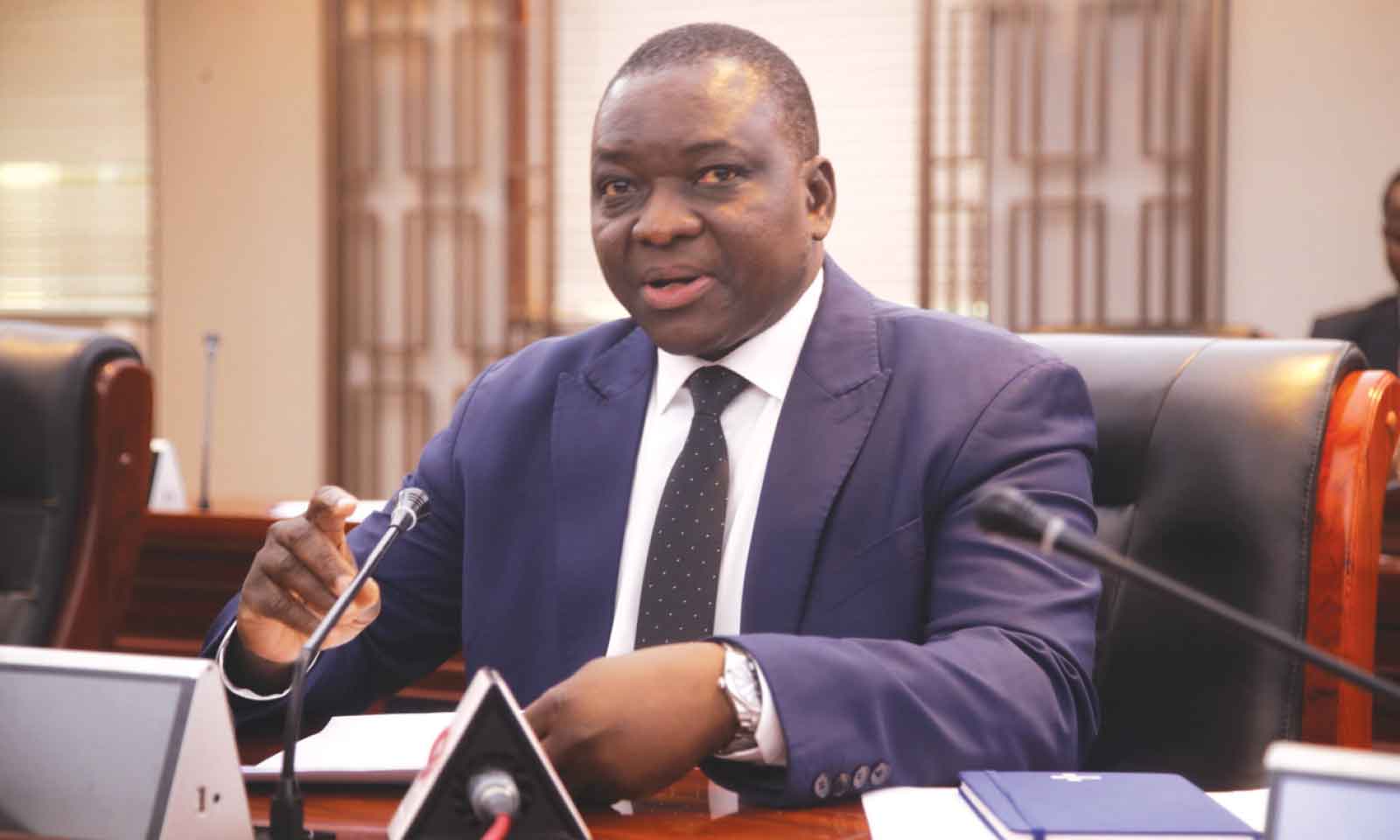
The proposal was raised during last week’s pre-budget seminar in Bulawayo by the acting chairperson of the Parliamentary Portfolio Committee on Health, Mr Thomas Muwodzeri, who said the council had demonstrated its capacity to manage the AIDS Levy efficiently and could extend its coordination role to NCDs.
NCDs are non-infectious conditions that cannot be transmitted from person to person and include diabetes, hypertension, cardiovascular diseases and cancer, which are among the leading causes of death worldwide.
“The Council has managed the AIDS Levy efficiently and has contributed immensely to the attainment of 95-95-95 targets. The Council receives unqualified audit reports/good reports.
“The development partners are pulling out and we need to restructure NAC, increase its financial resources by allowing the Council to manage proposed taxes (sugar, fast food and airtime levies) and expand its mandate to include NCDs,” said Mr Muwodzeri.
He said the NAC Act should be amended to establish a National Health Council with a broader mandate to manage various health-related taxes and coordinate responses to emerging health challenges, including NCDs.
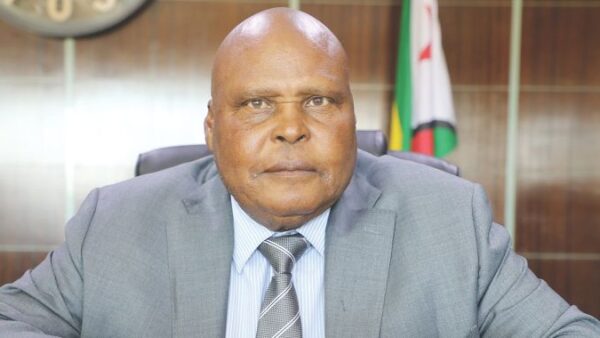
However, Health and Child Care Minister Dr Douglas Mombeshora said the proposal would first be reviewed before a decision was made.
Mr Muwodzeri said the burden of NCDs in Zimbabwe had increased sevenfold because of lifestyle changes, adding that cancer treatment placed a significant financial burden on the country and required greater investment in specialised services.
According to the Ministry of Health and Child Care, NCDs accounted for approximately 40 percent of all deaths in Zimbabwe in 2024.
Dr Mombeshora welcomed Finance Minister Professor Mthuli Ncube’s decision to maintain the sugar tax, describing it as a positive development because the revenue had helped equip hospitals.
“We have actually re-equipped our two cancer treatment centres, one in Harare and one here in Bulawayo, and work is almost complete on the first low-energy linear accelerators. We are ready for commissioning, and work is underway for completion of insulation at Mpilo.
“And we are going to phase two, where we have finished the procurement processes and we are going to have CT scans for all our central hospitals, five of them, three in Harare, two in Bulawayo,” said Dr Mombeshora.
He said the Ministry also intended to equip all eight provincial hospitals with computed tomography (CT) scanners to improve access to diagnostic services.
“These are important pieces of diagnostic instruments and I know a lot of patients are facing difficulties being referred to the private sector, so this is going to be a thing of the past. We are trying to have a comprehensive approach in terms of treating cancer from early diagnosis to treatment.”
Dr Mombeshora said the third phase would involve decentralising cancer treatment to other provinces, particularly those with major hospitals, such as Gweru, which also has a training centre.
“We will see the Ministry deploying other linear accelerators for the treatment of cancer. The only other limiting factor is that we do not have enough qualified personnel to be able to set up these oncology centres at every provincial hospital.
“But I think we are starting from something. That is why I am very happy that the sugar tax, if it continues, then we are able to approach and treat all our non-communicable diseases with ease.
The only comment that I will make here is that we need to have these taxes ring-fenced,” he added.
In his submissions, Mr Muwodzeri recommended guaranteed access to free medicines for patients with NCDs, including cancer, hypertension and diabetes, citing the substantial financial burden these conditions place on patients and their families.
He also called for reliable water and electricity supplies at health facilities and stronger emergency response capacity, including improved laboratory services and disease detection at primary and secondary healthcare levels.
To ensure uninterrupted services, Mr Muwodzeri said the Government should clear NatPharm’s US$32 million debt and ensure timely payments for medical supplies and services. The committee further recommended strengthening centralised procurement and local pharmaceutical manufacturing, while prioritising funding for blood supplies, medical oxygen and dialysis services as essential components of healthcare delivery.