Online Reporter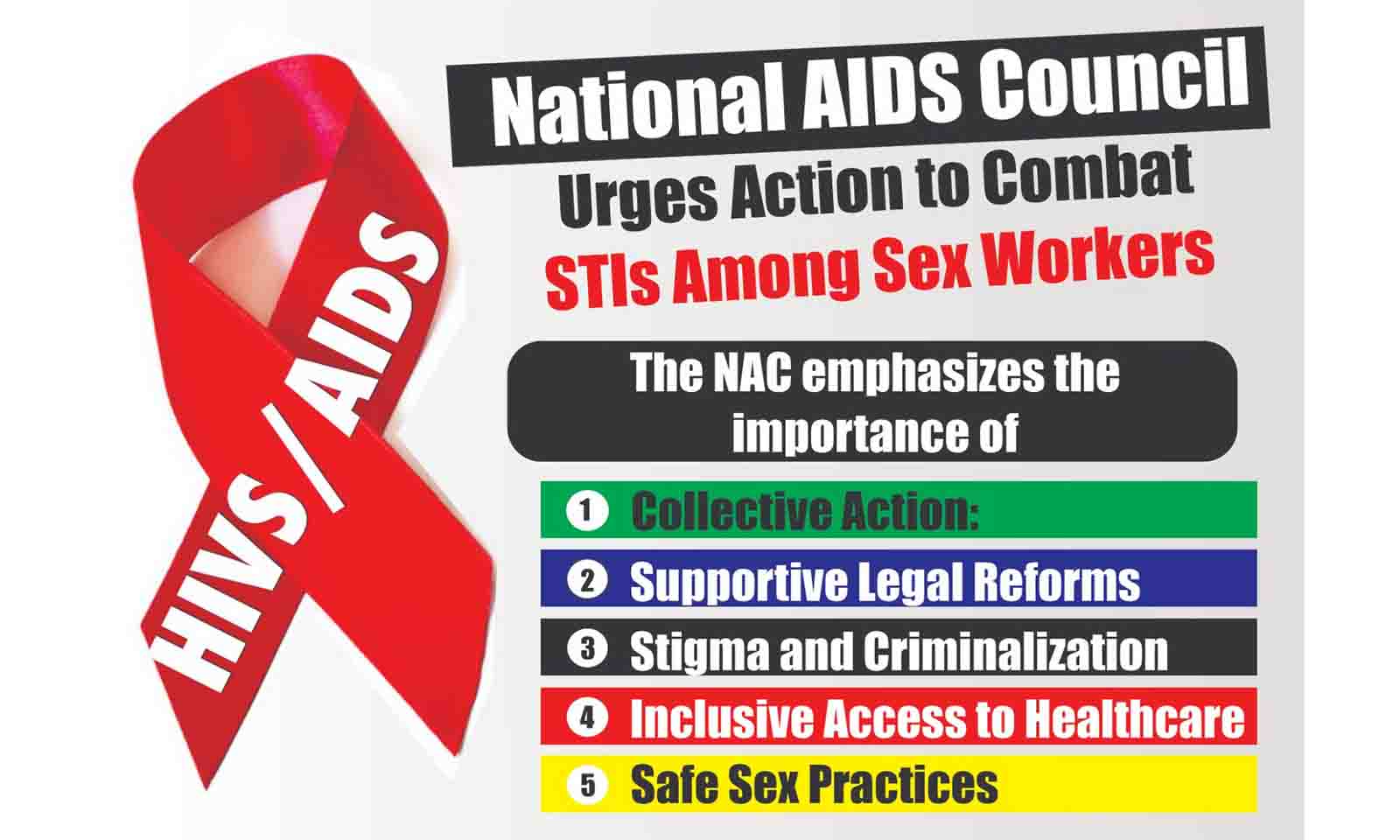
Theseus Shambare in MAZOWE
The National AIDS Council (NAC) has called for urgent and collective action to curb the spread of sexually transmitted infections (STIs), including HIV, especially among vulnerable and high-risk populations such as sex workers.
Speaking at a Sex Worker Symposium held in Mazowe this week, Bindura District AIDS Coordinator Mr Agrippa Karuru emphasised the importance of safe sex practices, routine testing and inclusive access to healthcare.
“We must all work together to stop the spread of STIs. This includes promoting consistent condom use, regular STI screening and non-discriminatory treatment,” Mr Karuru said.

“It is a public health responsibility and a step towards meeting both our national and international health targets.”
The two-day symposium, which began on Thursday, was hosted by Springs of Life Zimbabwe (SLZ), a non-governmental organisation committed to promoting health, dignity and rights for marginalised groups.
The event brought together healthcare professionals, civil society representatives and sex workers to discuss challenges and opportunities in reducing STI infections.
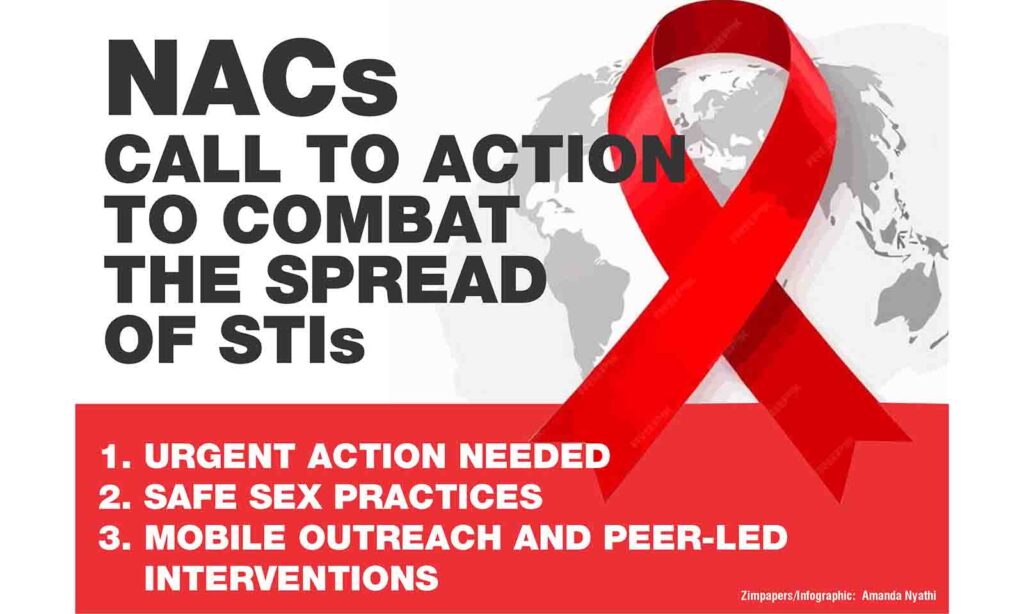
Mr Karuru said stigma, criminalisation and lack of tailored services continue to hinder national progress.
“Sex workers often fear seeking services due to harassment or judgment, which increases their vulnerability,” he said.
“We must build systems that protect, not punish and align with Zimbabwe’s commitment to the 95-95-95 UNAIDS targets and SDG Goal 3 on Good Health and Well-being.”
SLZ Programmes Director Ms Precious Msindo said the organisation complements Government efforts by addressing gaps in service delivery for key populations.
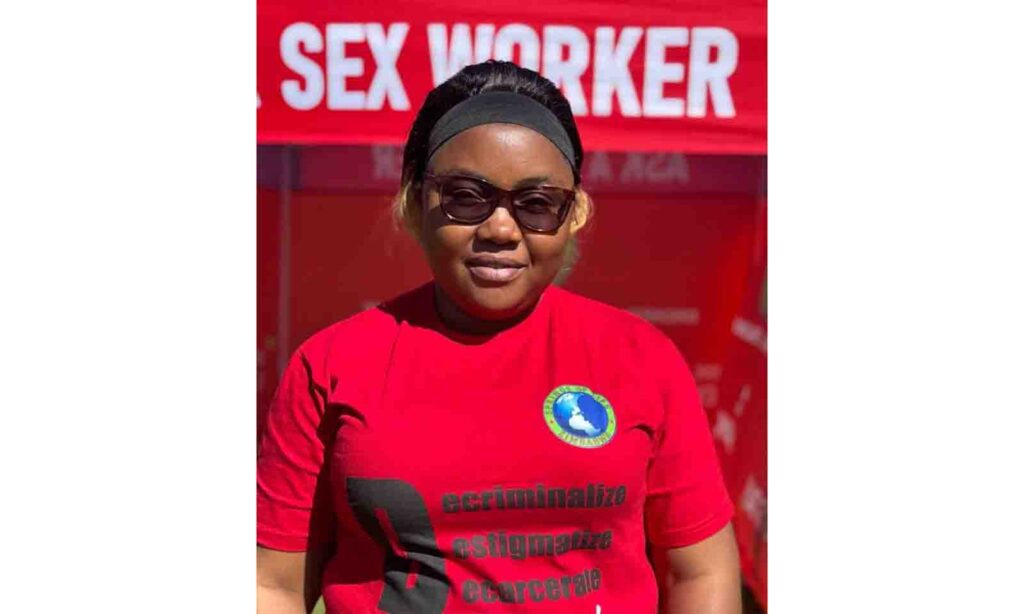
“We support national health objectives by distributing condoms, linking sex workers to friendly health facilities and raising awareness on sexual and reproductive health rights,” Msindo said.
“Our work is rooted in the belief that no one should be left behind—this is critical for achieving both local and global STI and HIV prevention goals.”
Participants at the event called for increased mobile outreach, peer-led interventions and supportive legal reforms to protect sex workers’ rights and health.
“We want to protect ourselves, just like anyone else,” said one of the participants.
“We need safe spaces, not silence.”