Zimpapers Writer
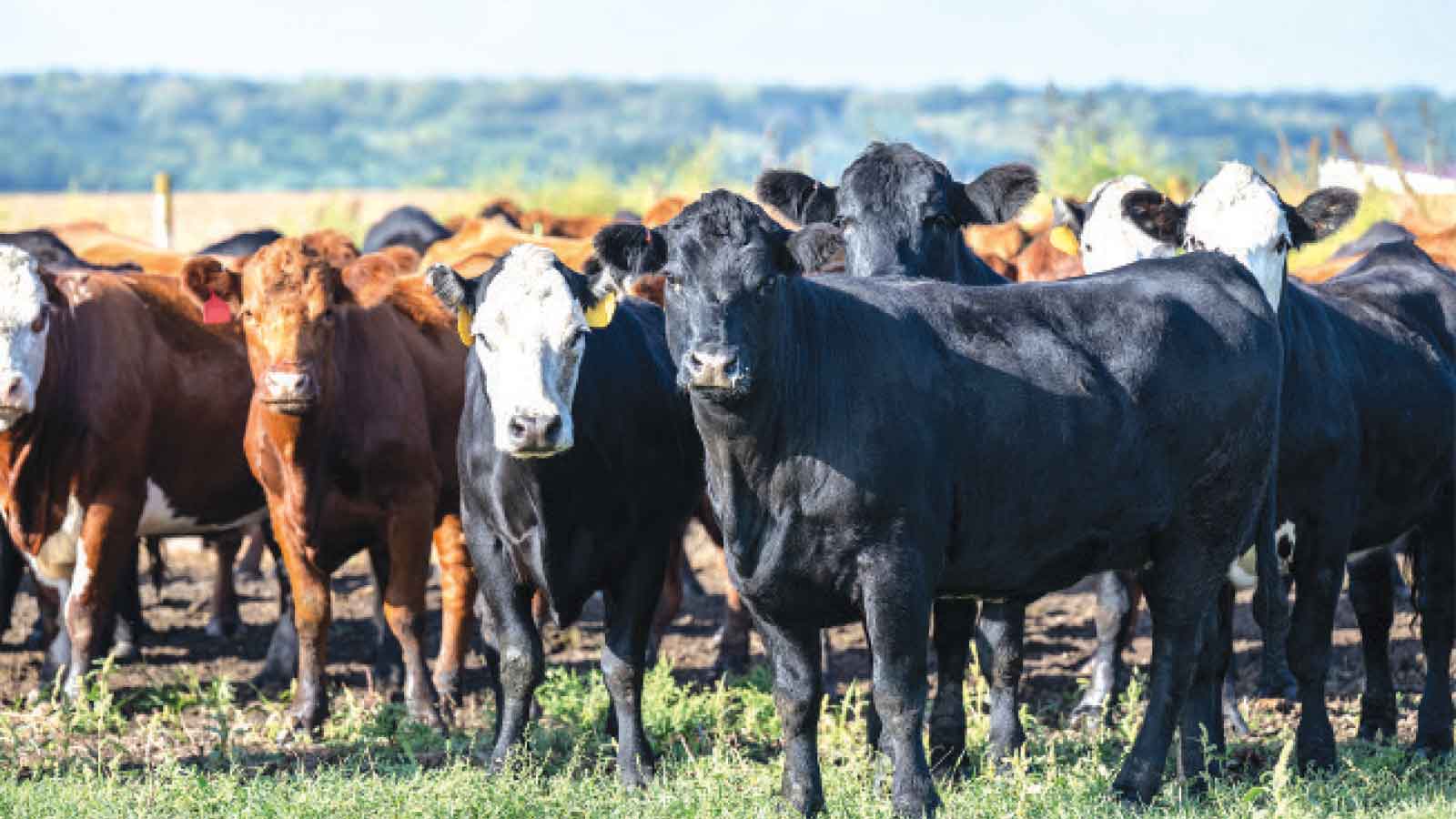
GOVERNMENT has launched an ambitious nationwide livestock protection programme to safeguard cattle worth an estimated US$920 million as Zimbabwe prepares for a possible drought during the 2026/27 summer cropping season, in line with President Mnangagwa’s drive to build a climate-resilient and food-secure agricultural sector.
The intervention, approved under the Cabinet-endorsed Summer 2026/27 Plan, places livestock preservation at the centre of the country’s climate adaptation strategy amid seasonal forecasts pointing to below-normal rainfall across much of Zimbabwe.
The programme also advances Vision 2030, which seeks to transform agriculture into a modern, productive and climate-resilient sector capable of sustaining rural livelihoods, enhancing national food security and contributing to upper middle-income economy status.
Government estimates that about 2,24 million cattle could be exposed to drought conditions if adequate mitigation measures are not implemented, placing communal farmers, beef and dairy production, and rural household incomes at risk.
In an interview, Permanent Secretary for Agriculture, Mechanisation and Water Resources Development Professor Obert Jiri said Government was treating livestock protection with the same urgency as crop production.
“We know at the moment farmers will think livestock is not affected, but livestock will be affected from now until the next rain season. So livestock interventions become key, protecting livestock against diseases, dipping, vaccination and feeding the livestock, as well as looking at the nutrition that is there,” he said.
According to the Summer Plan, drought-induced livestock losses would extend beyond the immediate economic impact, affecting national breeding programmes, reducing calving rates and milk production, weakening draught power for crop production and eroding the resilience of communal farming systems.
Matabeleland South is projected to be the hardest-hit province, with an estimated 511 828 cattle at risk, followed by Midlands with 421 038, Manicaland 386 087, Masvingo 312 019 and Mashonaland Central with 293 840.
Government has also raised concern over the widening livestock feed gap.
The country requires an estimated 551 828 tonnes of fodder to sustain animals expected to be affected by drought, against currently available stocks of just 94 154 tonnes, leaving a deficit of more than 457 000 tonnes.
To bridge the gap, Government will accelerate fodder production and conservation programmes, rehabilitate boreholes and dip tanks, solarise strategic livestock water points, establish additional ward drought mitigation centres and strengthen nationwide disease surveillance.
The interventions complement the Second Republic’s broader climate adaptation agenda, which has seen increased investment in irrigation development, water harvesting infrastructure, dam construction, renewable energy and climate-smart agriculture aimed at reducing the impact of recurring droughts.
Government will also intensify vaccination campaigns against Foot-and-Mouth Disease, anthrax, blackleg, botulism and rabies, while strengthening tick-borne disease control through the rehabilitation of dip tanks, improved acaricide distribution and integrated livestock health management.
Through the Department of Veterinary Services, Government will regulate livestock movement into relief grazing areas by enforcing veterinary inspections, vaccination, animal identification and strict biosecurity measures to minimise the spread of diseases during the drought period.
The Summer Plan further identifies 1 620 ward drought mitigation centres that are expected to support livestock survival during periods of water and feed shortages. To date, 190 centres have been established, with Government accelerating implementation in vulnerable districts.
The livestock protection programme dovetails with the Rural Development 8.0 model, which promotes integrated rural transformation through improved water infrastructure, agricultural productivity, rural industrialisation and enhanced resilience to climate change.
Prof Jiri urged farmers to work closely with veterinary and agricultural extension officers to protect their herds ahead of the anticipated dry season.
“We must ensure that farmers protect their livestock through timely disease control, adequate feeding and improved management as we prepare for the coming season. Preserving our national herd is critical to sustaining livelihoods, food security and the country’s agricultural economy,” he said.