

 Online Reporter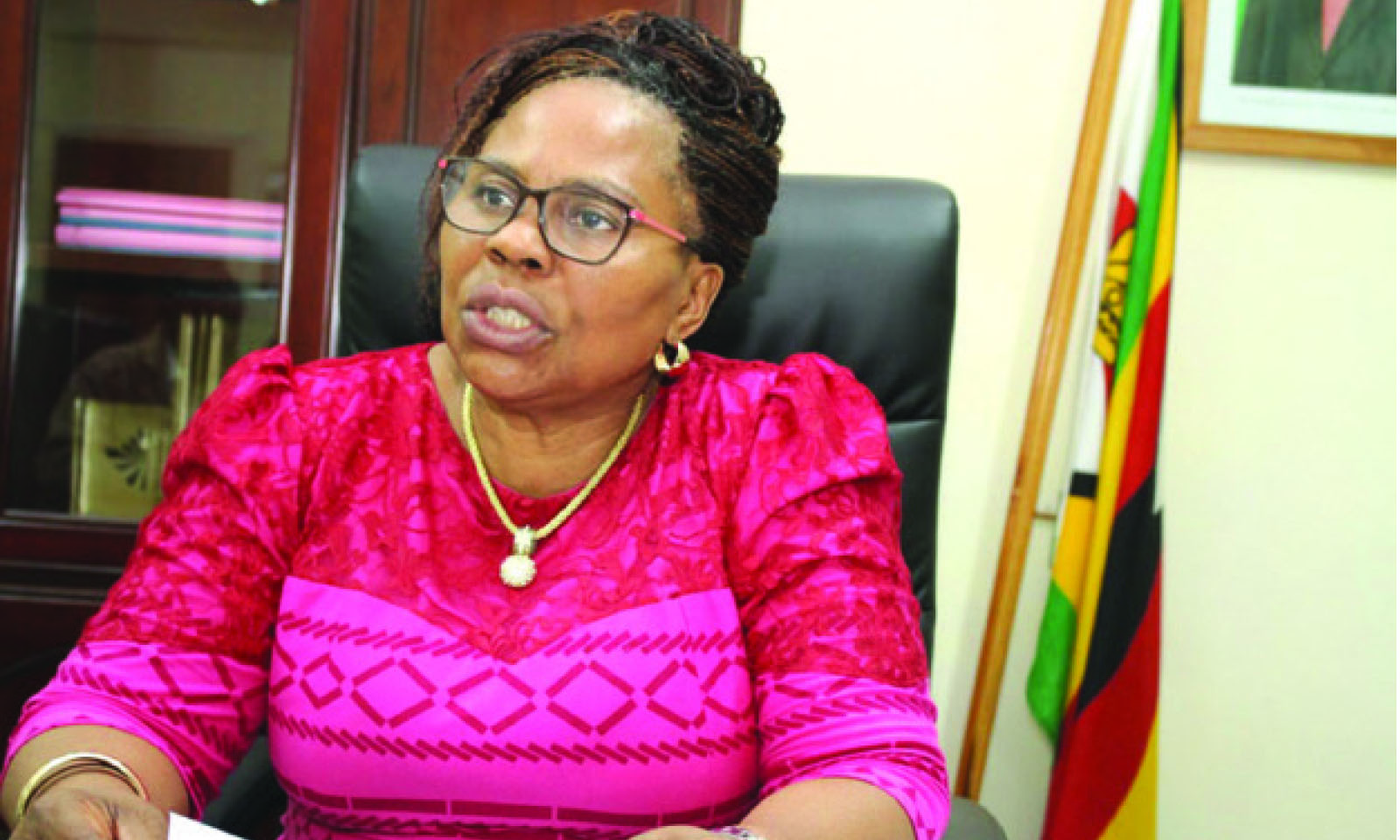
Remember Deketeke
Herald Correspondent
ZIMBABWE is gaining international recognition for its ground-breaking approach to gender-responsive budgeting (GRB), a strategy that ensures public funds are allocated in ways that directly address the needs of both women and men.
This was stated by Women Affairs, Community, Small and Medium Enterprises Development Minister Senator Monica Mutsvangwa at the 4th Finance for Development Conference in Seville, Spain.
Sen Mutsvangwa said by embedding gender considerations into fiscal planning and decision-making, Zimbabwe was not only narrowing gender gaps but also boosting inclusive economic development.
“Gender inequality is not just a social issue; it is an economic one,” she said.
“He who empowers a woman empowers a whole village, and by extension, an entire nation.”
She cited Zimbabwe’s institutionalisation of GRB as a major step in the country’s efforts to promote gender equality through fiscal policy.
Since 2022, Treasury has been issuing National Gender Budget Statements annually, requiring all Government ministries to factor in gender considerations when planning and allocating public funds. This approach, she noted, is already yielding measurable results.
Zimbabwe’s Gender Development Index improved from 0,929 in 2019 to 0,944 in 2023, while the country leapt over 10 places on the Gender Inequality Index to rank 110 out of 149 countries.
The Gender Development Index (GDI) measures gender equality in key areas like health, education and income. A score closer to 1 indicates greater parity between women and men. Zimbabwe’s rise from 0,929 to 0,944 signals that women are catching up to men in these critical areas.
The Gender Inequality Index (GII) ranks countries based on disparities in reproductive health, empowerment and economic participation. Zimbabwe’s jump of more than 10 positions reflects progress in reducing these gaps, highlighting improvements in women’s access to leadership roles, education and income-generating opportunities.
“These are not just figures,” said Minister Mutsvangwa.
“They translate into tangible results — like more girls gaining access to sanitary wear, with 1,45 million expected to benefit in 2025, and more women accessing business capital, including the ZiG$10 billion set aside for women-led enterprises in the 2024 Budget.”
She said another flagship intervention by the Government was the launch of the Zimbabwe Women’s Microfinance Bank, which is the only women-focused financial institution in Southern Africa.
The bank was established in 2018 and offers low-interest, collateral-free loans to women entrepreneurs, especially in rural communities.
“The bank has broken barriers. Today, 56 percent of Zimbabwe’s SMEs are women-owned, proof that financial architecture reform works,” Sen Mutsvangwa said.
She implored other governments to replicate Zimbabwe’s model.
“Gender-Responsive Budgeting is not charity; it is a macroeconomic strategy. No nation can afford to fly with one wing,” she said.
“With 52 percent of Zimbabwe’s population being women, and women comprising the majority in agriculture and the SME sector, failing to budget for gender is equivalent to ignoring the backbone of the economy.”
The conference ran under the theme: “Public Finance for Gender Equality: A Collective Commitment.”



