Lovemore Dube
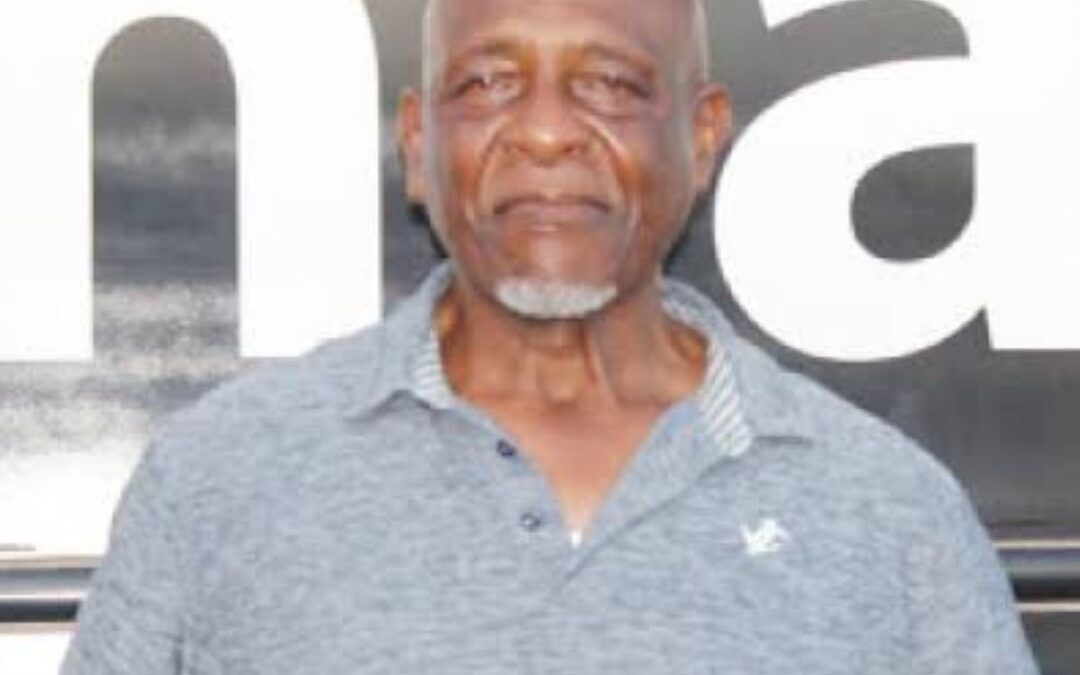
AS Highlanders celebrate 100 years of football, club legend Lawrence Phiri (pictured) has hailed Silas Ndlovu for modernising Bosso and opening the door to talented players from outside Bulawayo.
In an interview with Zimpapers Sports Hub Deputy Sports Editor Lovemore Dube in January 2016, Phiri reflected on how Ndlovu transformed the club’s training methods, administration and recruitment, laying the foundation for a team that went on to win silverware.
Ndlovu, who served Highlanders as a player, coach, manager and chairman, introduced a leaner executive and gave the coach greater control over technical and welfare matters.
“Silas Ndlovu came in at the right time to change the way things were done at the club. He brought a new approach to training, engaging modern training methods and thinking.
“It was not limited to the field but administration as well where with us players we were able to influence that we introduce a leaner executive. We cut from 15 to five and made the coach the overall man in charge of all technical and welfare matters of the club. That was the birth of Highlanders in 1972,” said Phiri.
Phiri was part of the first Bosso team promoted to the national league at the end of 1970. After a difficult 1971 campaign in which the team managed just seven points, Ndlovu played a key role in helping Highlanders win promotion back to the elite division in 1972.
The following year, Phiri was part of the team that won the Chibuku Trophy, the first major trophy in the club’s history.
He credited Ndlovu with broadening Highlanders’ recruitment beyond Bulawayo, bringing in players such as Itai Chieza, George Chieza, Isaac Mafaro and Stanley Nyika.
“He brought so many changes to the club that made it easy for us to go out and tell members and supporters that this was the way to go. Even when it came to the crux at the end of the 1976 season with some of our colleagues going to Olympics, we felt we owed it to him as well to stick to the club.
“We had come a long way together and there was everything to stick around for and rebuild Highlanders when others left. He even took players from outside Bulawayo, he was the first to introduce that policy. Many great players came to join us and they bolstered the team leading to us winning several pieces of silverware,” said Phiri.
Following the 1976 split, when some players left for Olympics, Highlanders turned to their junior ranks to fill the gaps. Douglas Mloyi, Builder Nyaruwata, Peter Nkomo, Msitheli Sikhosana and
Yonah Malunga were among those who rose to prominence.
Phiri, who joined Highlanders as an Under-14 player in 1964 at the invitation of Barry Daka, said loyalty to the club mattered more to him than money.
“I was content with being a one-club player. I liked being part of the Highlanders brand as it is the team that groomed me to be the player I got to be. I felt I was still needed to grow the club,” he said.
Highlanders’ relegation to the South Zone Soccer League after the disputed 1976 title race brought a different challenge, with the team travelling to places such as Gwanda and Plumtree.
Despite the setback, Bosso dominated league and cup competitions before returning to the top flight at the end of 1978.
Phiri went on to enjoy further success as a player and manager, winning several domestic honours. He later spent three decades in Botswana, where he worked with fellow Zimbabweans Fabian
Zulu and Paul Moyo to transform Notwane into a formidable side that made history in African competition.
Back home, Phiri has remained involved in Highlanders’ centenary celebrations, helping organise Saturday’s Family Fun Day and the Highlanders Half Marathon.
He believes the club can remain a force for generations if it continues investing in its junior players and preserving its identity.