Sharon Jiyamwa
Zimpapers Reporter
Premature babies need ongoing medical care, developmental monitoring and parental support long after leaving hospital to improve their chances of becoming healthy children, neonatologist Dr Lethile Madzudzo said.
She said survival was only the beginning of a premature baby’s journey, with regular follow-up care essential in identifying and addressing potential health and developmental challenges.
Dr Madzudzo spoke during World Prematurity Day commemorations hosted by Neocare Baby Hospital at St Anne’s Hospital grounds in Harare this Saturday.
Premature babies, born before 37 completed weeks of pregnancy, often require specialised medical attention even after being discharged from neonatal intensive care units (NICUs).
This year’s World Prematurity Day theme, “Small babies, big potential: Invest in follow-up care to protect their future”, highlights the importance of sustained support to help premature babies achieve healthy development.
“Although they may be tiny, they have enormous potential. Their journey can be challenging, requiring specialised medical care, warmth, proper nutrition, monitoring and, most importantly, love and support,” said Dr Madzudzo.
She stressed the importance of antenatal care, early identification of pregnancy complications, skilled birth attendance and quality newborn care in improving the survival of premature babies.
Interventions such as kangaroo mother care, breastfeeding support and timely medical attention can also significantly improve their outcomes.
Dr Madzudzo said parents should be treated as integral members of the healthcare team rather than visitors, adding that their involvement was critical throughout a baby’s recovery and development.
“To all parents who have experienced the journey of prematurity, we want you to know that you are not alone. Your strength, patience and love matter,” she said.
A hospital in Harare has recorded the survival of babies born as early as 24 weeks, with its lowest recorded surviving birth weight being 585 grammes.
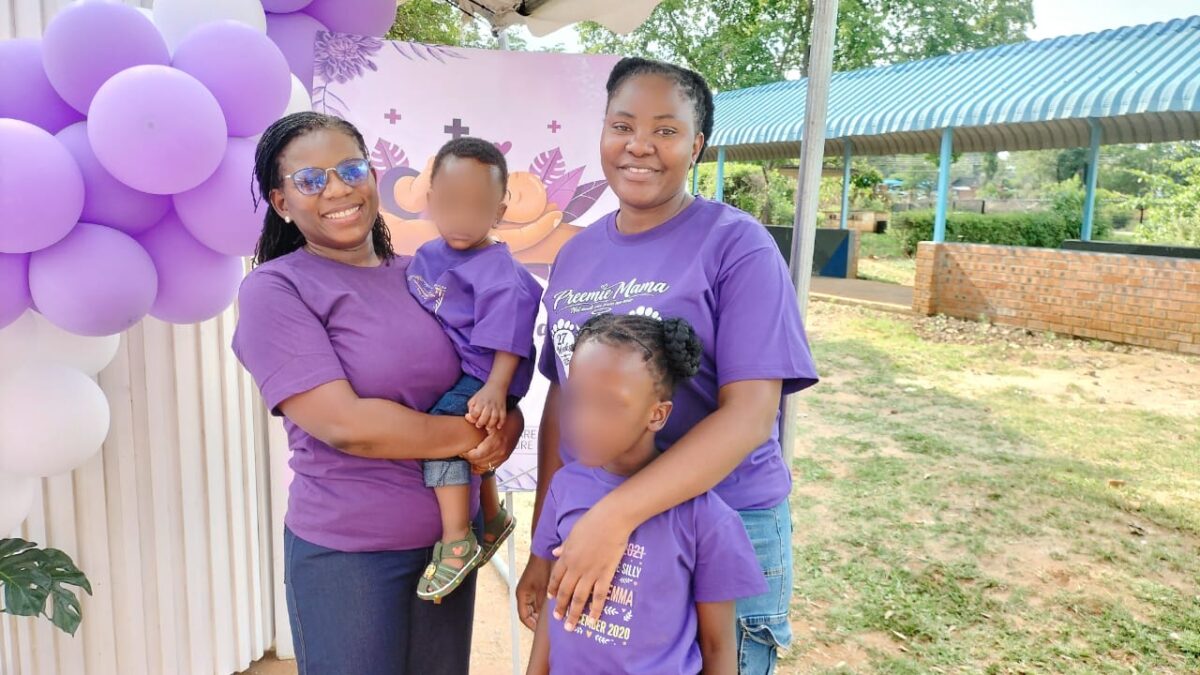
The commemorations brought together parents of premature babies, former preterm babies, healthcare professionals and partners to celebrate survival and raise awareness of the importance of continued care beyond hospital discharge.
The need for sustained support was also highlighted by Ms Natasha Matongo, a mother of two premature babies, who shared her family’s experience of premature births, pregnancy loss and resilience.
Her first premature baby, Mikayla Dingana, was born in 2020 following pregnancy complications characterised by persistent bleeding.
Although Mikayla survived, the experience exposed the family to the challenges of caring for a premature newborn.
In 2023, Matongo experienced another pregnancy, which ended in loss after complications developed around 23 to 24 weeks.
She fell pregnant again in 2025, with doctors introducing interventions to manage risks associated with her previous pregnancies.
However, complications resurfaced around the 24th week, resulting in repeated hospital admissions and close medical monitoring.
On July 12, 2025, doctors performed an emergency Caesarean section, delivering baby Mandla at just 585 grammes.
Mandla was immediately admitted for specialised neonatal care and gradually stabilised, although he required continued monitoring and support for his breathing and physical development.
Ms Matongo said follow-up care and physiotherapy had played an important role in improving her baby’s muscle tone and development.
“Mandla is now making good progress and reaching developmental milestones,” she said.
She also spoke about the emotional and physical challenges mothers face following premature deliveries, revealing that she struggled psychologically after Mandla’s birth.
“I was not in the right frame of mind to take care of the baby after discharge, but I thank God for a supportive husband and the village that stepped in to help,” she said.
Her experience highlighted the importance of providing psychological and emotional support to parents, particularly mothers recovering from complicated pregnancies and premature deliveries.
Health professionals say continued follow-up care, family involvement and early interventions are essential in giving premature babies the best possible start in life.