Online Reporter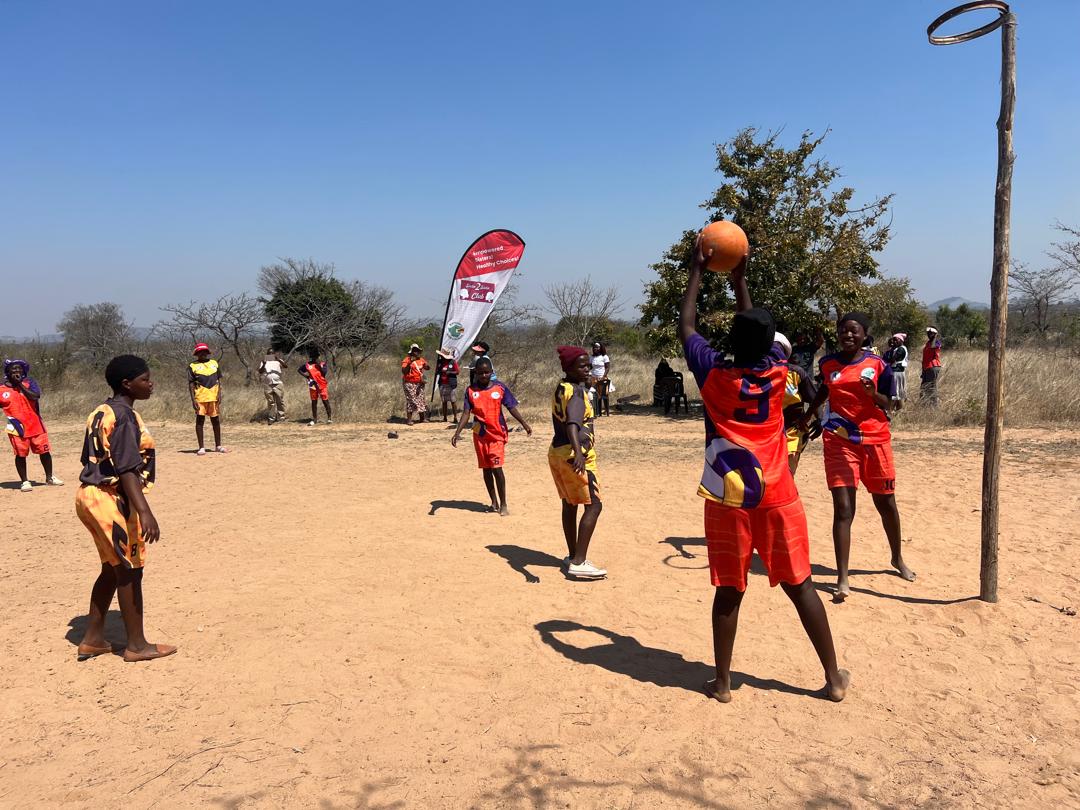
Sukulwenkosi Dube-Matutu, [email protected]
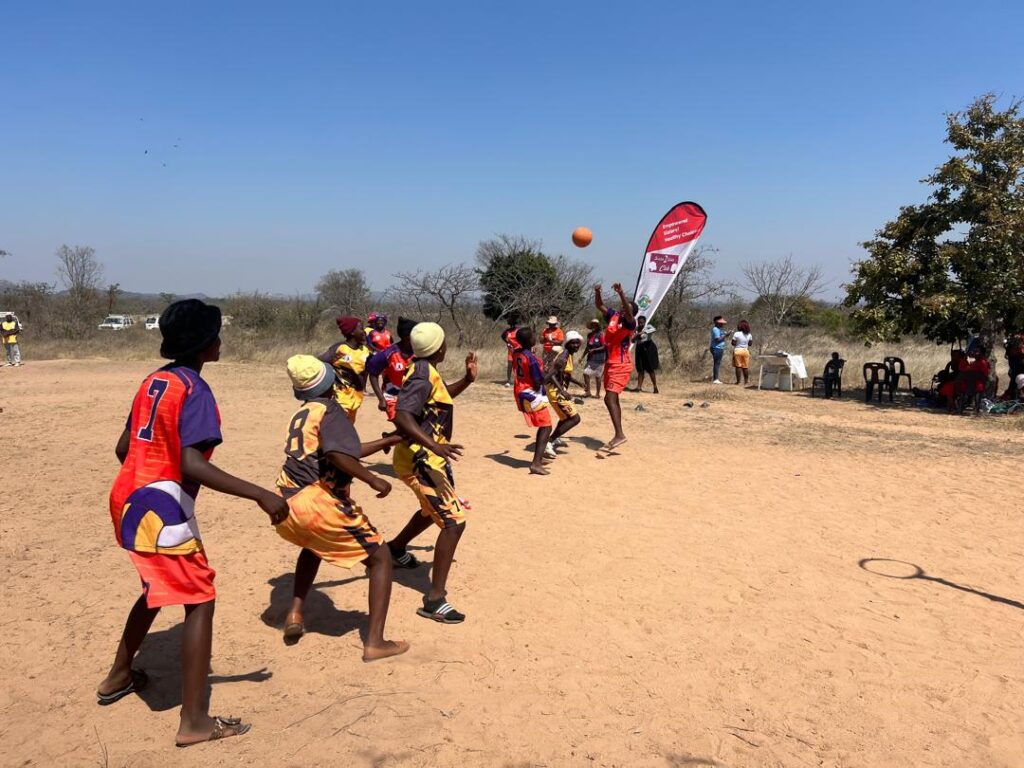
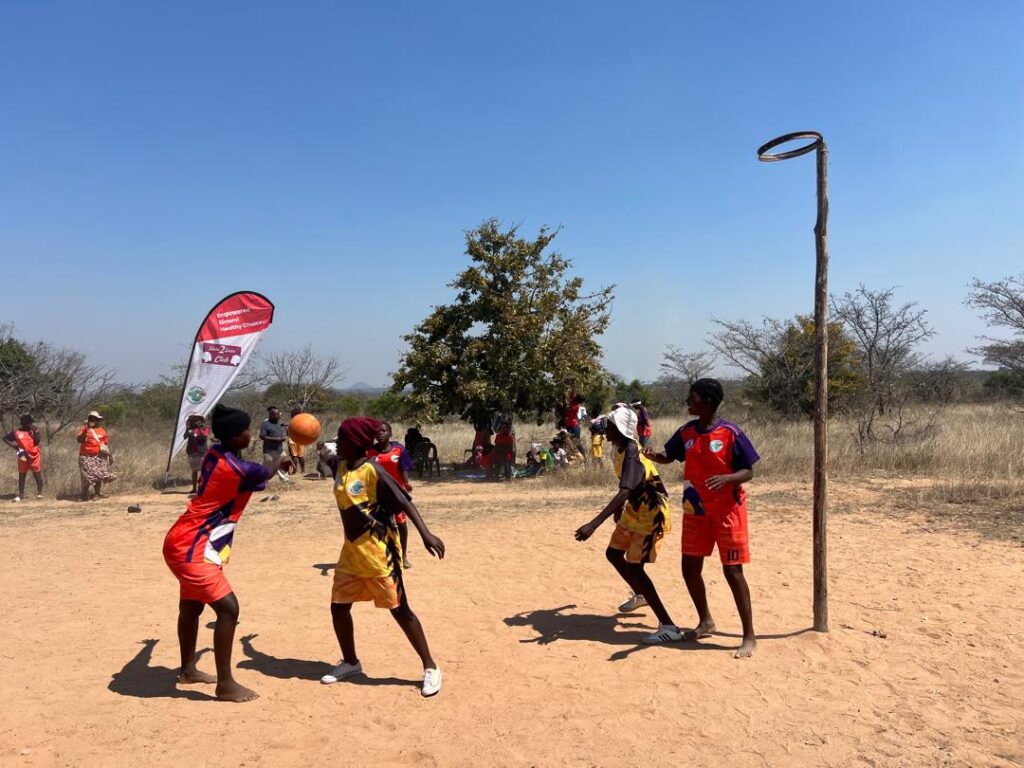
TWICE a week, dozens of adolescent girls and young women gather on a dusty netball court in Phumelela Village, Insiza District, to play, laugh and compete.
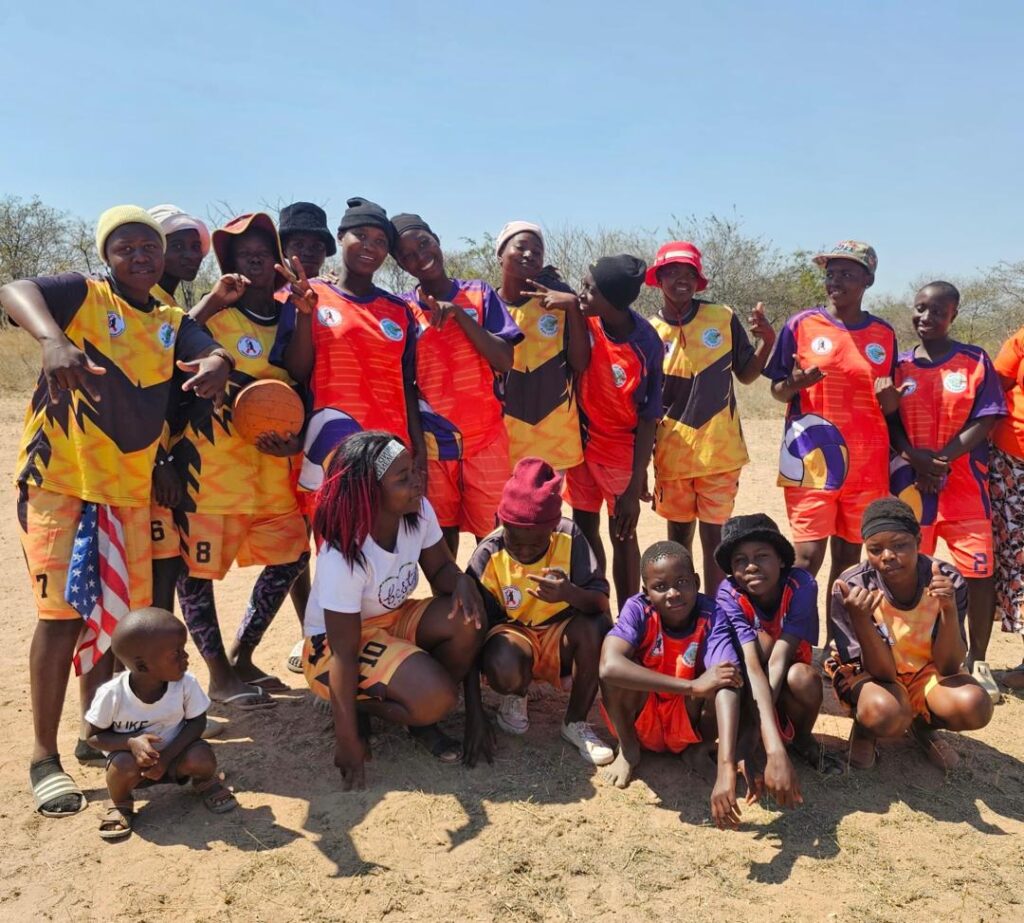
But for many of them, the game is far more than scoring goals.
For some, netball has become a refuge from idleness and the social risks that often confront school girls. For others, it has restored confidence, created friendships and given them hope that their lives can still amount to something.
The sporting initiative is part of the Sista2Sista programme, which is using sport as a tool to empower adolescent girls and young women and reduce their vulnerability to teenage pregnancies, HIV infection, drug and substance abuse and other social risks.
About 50 girls from Phumelela Village in Ward 8 meet twice a week, on Wednesdays and Saturdays, for friendly matches.
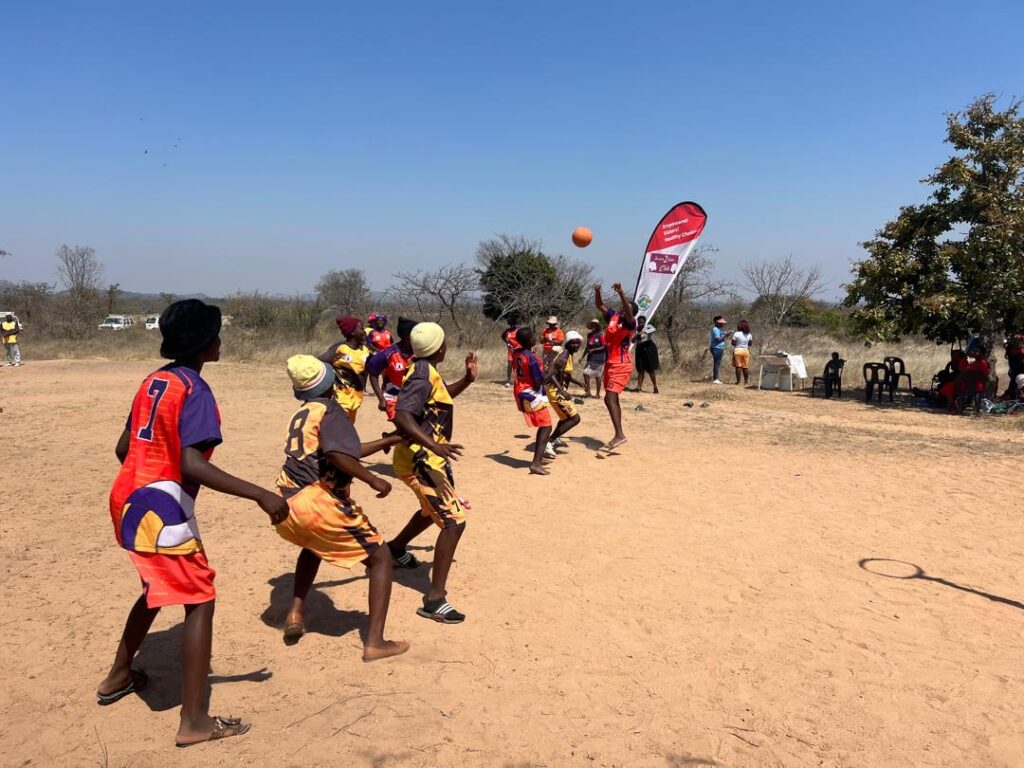
Recognising the importance of the programme, community leaders set aside land for the construction of a netball pitch, giving the girls a safe space to interact, learn and develop their sporting talent.
Zandile Mathobela (17), a school dropout and captain of one of the teams, said netball has brought a sense of purpose and responsibility.
“Being involved in sport has challenged me to be productive. As a captain, I have also learnt to be responsible and to lead others. This is much better than just being idle,” she said.
“We come here to play netball twice a week on Wednesdays and Saturdays. We are a group of about 50 and we split ourselves into teams and compete.”
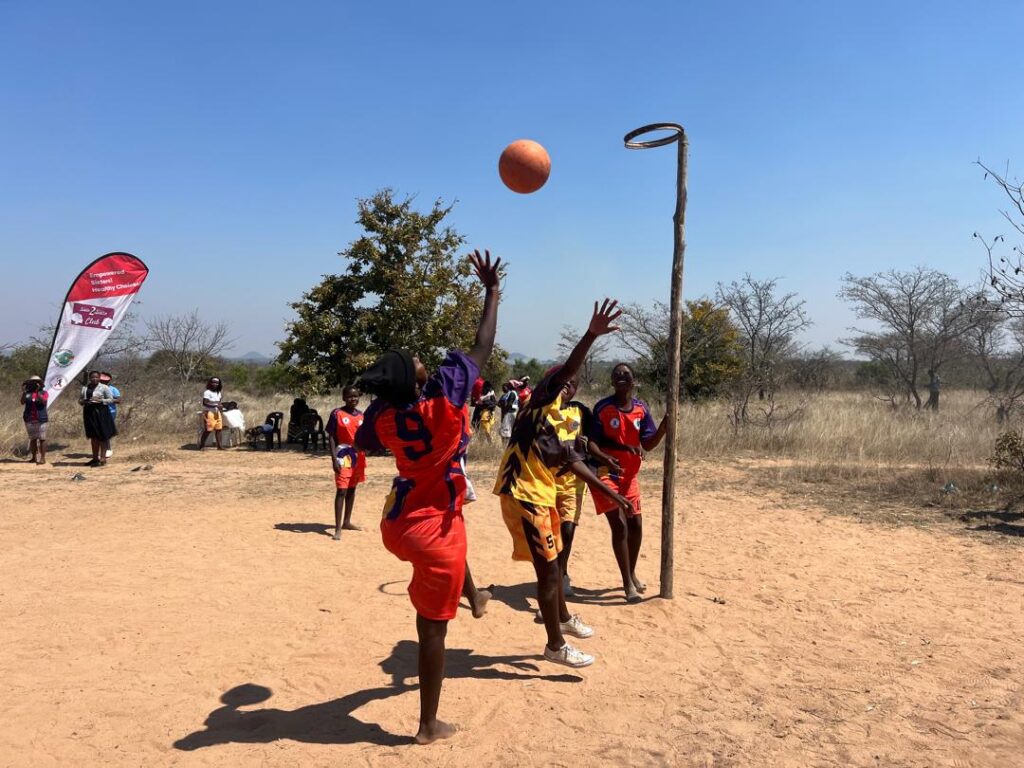
Beyond the matches, Zandile says the programme has created a close-knit sisterhood among the participants.
“Having this activity helps to keep us occupied and productive as young girls. It has also deepened our connection as a group. We are now more like a family. We learn together, eat together and play together,” she said.
The girls now dream of taking their talent beyond their village and participate in professional tournaments.
Thandiwe Tshili (21), who is raising a two-year-old child, said joining Sista2Sista helped her rebuild confidence after believing that falling pregnant at a young age had destroyed her future.
“As a young mother, I now know that I have to make responsible decisions for the sake of my child. I cannot afford to live a reckless life,” she said.
“Through the sessions that we have had and interacting with my peers, I now know my identity and I have developed a sense of belonging.”
Sista2Sista is an intervention targeting adolescent girls and young women aged between 15 and 24, particularly those considered vulnerable to HIV infection and other social risks.
Under the programme, mentors are trained within communities to conduct risk assessments, identify vulnerable young people and enrol them in support groups.
The programme provides participants with information on HIV prevention, sexually transmitted infections, sexual and reproductive health, economic empowerment and other issues affecting young women.
Group mentor Ms Siphathekile Ncube said sport had proved to be an effective way of attracting and retaining young people in the programme.
“Sport is a crucial way of capturing young people and keeping them occupied. It has also helped to make our learning sessions more interesting,” she said.
Ms Ncube said competitions with Sista2Sista groups from other wards were being planned.
Insiza District Aids coordinator Mr Mpilo Baloyi said the programme was being implemented in all 14 wards in the district, with 16 trained mentors each working with about 50 girls.
The National Aids Council contracted Insiza Godlwayo Aids Council as the implementing partner through the National Aids Trust Fund.
Mr Baloyi said promoting physical activity was one of several strategies being used to keep young girls engaged and productive.
“Being involved in sport has many advantages for a person’s wellbeing. Gathering as a group and forming teams gives these young girls a sense of belonging and helps to build their confidence,” he said.
“The girls also have a safe space where they can discuss various issues and develop friendships.”
He said keeping young people occupied could help reduce their exposure to risky behaviour.
“If they have nothing to do, that is where dangers, threats and risks can arise. Such programmes contribute to preventing HIV infection, teenage pregnancies and other risks,” said Mr Baloyi.
Girls enrolled under the programme also receive sanitary wear.
Phumelela Village head Mr Stanley Ndlovu said teenage pregnancies and drug and substance abuse remained major threats to young people in the community, making interventions targeting vulnerable girls critical.
He said the community allocated land for the netball court after recognising the potential of sport to empower young women.
“As community leaders, we appreciate the interventions that seek to empower the youths that are being initiated by Government and its development partners. When a girl child is just sitting at home without going to school, there is a high risk of her falling pregnant,” he said.
“If they come here and receive education, they become empowered and enlightened. Empowering them through sport is also crucial, which is why we allocated land for a netball pitch.”
Mr Ndlovu said the initiative could also uncover sporting talent among rural girls.
“Through playing sport in this community, some talented young girls can be identified and elevated to play professional netball,” he said.