Online Reporter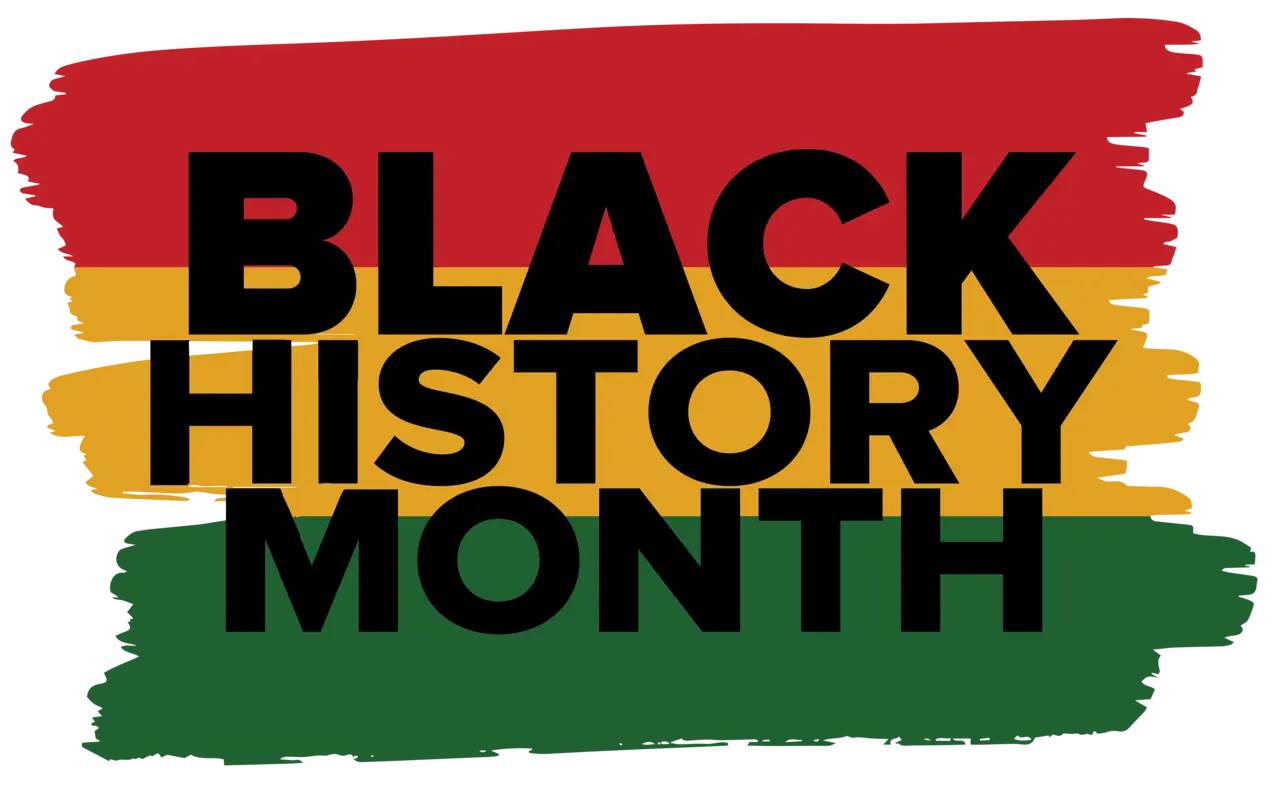
Mabasa Sasa
IN 2005, celebrated Black American actor Morgan Freeman spoke about why he did not celebrate Black History Month.
His reasoning was plain: there is no White History Month or Jewish History Month; and there was no way an entire people’s history could be condensed into a single-month’s celebration.
It is an argument that, at face value, will appeal to some; more so in a world that is increasingly ahistorical, especially when it comes to the history of Africans and people of African descent.
History, as it has been recorded and taught for centuries, has never been neutral ground.
It has been shaped by power and filtered through ideology, often power and ideology antagonistic to the interests of people of colour.
To pretend otherwise is not to be sophisticated: it is to ignore how the problem was created in the first place and how it is perpetuated down generations.
Thankfully, Black History Month does exist.
It is not about making black people out to be more special than other races or about black exceptionalism.
Rather, it is about correcting distortions and teaching the young, especially, about what has been possible and what can be possible.
Black history stretches across thousands of years, forming part of the deep architecture of human civilisation, and it is from this long arc of contributions to the human race that the Institute of African Knowledge (INSTAK) approaches this year’s Black History Month celebrations.
On February 2, the Pan-African think tank kickstarts Black History Month with the opening of a landmark exhibition themed “10 000 Years of Civilisation, Technology and Ubuntu” at Heritage Village in Liberation City.
The exhibition is not about rhetoric.
It presents evidence of black people’s contributions to science, architecture, technology, mathematics and several other aspects of civilisation and development — fields of human endeavour that are too often presented as too esoteric for Africans through centuries.
The emphasis on Ubuntu is intentional.
Long before the modern world began to speak of shared humanity, African societies articulated ethical systems grounded in interdependence, dignity and moral responsibility.
Indeed, the development of science, technology, agriculture, medicine and architecture in Africa was influenced by Ubuntu.
Liberation City is a fitting host for such an exhibition.
This living, cultural and educational precinct built by INSTAK in Harare was the most visited tourism site in Zimbabwe’s capital city in 2025, and the Black History Month Exhibition serves to further strengthen Liberation City’s importance to the nation and black people everywhere.
That is not all INSTAK has planned for the month.
On February 21, the think tank will officially open the Robert Gabriel Mugabe Museum in Highfield, Harare.
The Robert Gabriel Mugabe Museum represents something greater than a mere shrine as it institutionalises memory in a form that allows engagement, context and reflection.
The museum also advances a broader vision of township and domestic tourism. Highfield is one of the most politically and culturally significant landscapes in Zimbabwe’s modern history.
Recognising it as a heritage destination is overdue.
INSTAK’s celebration of Black History Month is not an idle, nostalgic undertaking.
The initiatives form part of a wider body of work that includes the Museum of African Liberation, the Book of African Records, the Africa Factbook and the ongoing Chimurenga/Umvukela Encyclopaedia Project.
Such instruments of reference are necessary in a world where information is abundant but historical grounding is often thin and accurate contextualisation can be sorely lacking.
By investing in exhibitions, museums and publications, INSTAK is making a bold and clear statement to the world: black history will not be left to erosion, distortion or outsourcing.
It will be researched, housed and told deliberately by black people.
Morgan Freeman — brilliant actor and narrator that he is — would do well to use his powerful brand to articulate the importance of celebrating black history.
Black History Month is not a performance or a ritual.
Marking it is a matter of duty and solemn responsibility, because it comes down to identity.
And identity can only be meaningfully shaped by the choices we make about what is remembered about us — and what is forgotten.
Mabasa Sasa is the former Editor of The Sunday Mail