admin
admin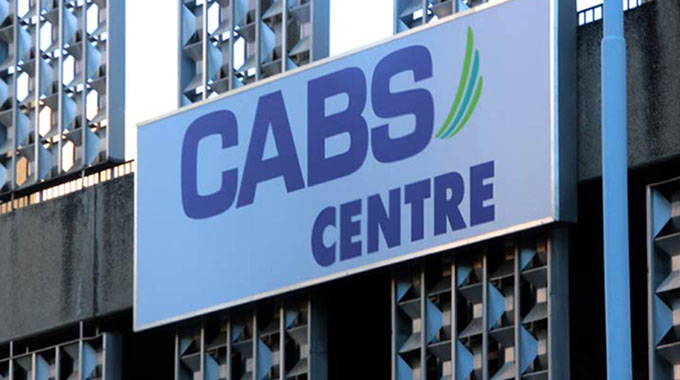
The Herald 30 October 1980
CABS will be increasing its banking facilities in Salisbury next year, with the construction of new offices and banking halls on the corner of Central Avenue and Fourth Street.
Ideally suited to cater for its large clientele of civil servants working at the Earl Grey complex, the Central Avenue development would relieve pressures on its existing facilities in that area, says CABS chairman, Mr James Brown, in his annual report.
The development will take place on stands owned by the society on the corner of Central Avenue and Fourth Street and plans have already been approved by Salisbury City Council.
Construction on the Central Avenue site should begin in about March next year, says Mr John Wood, an assistant general manager, with building costs amounting to about $1,2 million.
Property has been bought in Manica Road for the development of a major service point in that area, but demolition will only begin on January 1, 1981, when the existing lease expires, says Mr Wood.
The new building, which will cost about $1,4 million, will also provide new premises for a large clothing company.
LESSONS FOR TODAY
According to Investopedia, a building society is a “type of financial institution that provides banking and other financial services to its members (offering) mortgages and demand-deposit accounts: insurance companies are often major supporters”’.
The Central African Building Society (CABS) is a division of Old Mutual, which is one of Africa’s oldest and largest investment, savings, insurance and banking groups and is listed on the Johannesburg Stock Exchange. Old Mutual is also listed on the, Zimbabwe, Namibia and Botswana Stock Exchanges.
Like other banks, CABS offers a range of services that include Internet banking, personal banking, small to medium enterprise banking and corporate banking, among others.
Looking ahead and thinking beyond the current clientele, building societies need to think carefully about their next generation of customers.
Building societies are well positioned to leverage the benefits of technology to better serve their existing customers and gain new ones, allowing them to largely skip the hurdle in winning over customers in what is a largely trust based relationship.
In terms of offering wider financial products, building societies tend to be far more innovative and generous. This particularly applies to in-demand products such as mortgages or loans for small businesses, which are crucial to driving economic growth and helping individuals realise their financial dreams.



 Online Reporter