admin
admin
Oliver Kazunga Senior Business Reporter
THE newly-appointed 26-member Cabinet, with nearly half of the ministries being key economic portfolios, is likely to drive Zimbabwe beyond the National Development Strategy 1 (NDS 1) targets as the country aims to attain an upper middle-income society by 2030.
In 2018, the Second Republic launched NDS 1 — a five-year economic development programme to propel Zimbabwe toward Vision 2030.
Some of the 14-key national priorities of NDS 1 include economic growth and stability, food security and nutrition, governance, moving the economy up the value chain, structural transformation, human capital development, environmental protection, climate resilience and natural resources management, and housing delivery.
Under NDS 1, Zimbabwe has registered gains across all the 14 priority areas during the first half phase of its implementation, with the focus now on identifying gaps to ensure the full realisation of the policy targets.
The new Cabinet that speaks to President Mnangagwa’s thrust of continued consolidation of the economic development agenda, was appointed on Monday.

In the latest Cabinet, Professor Mthuli Ncube was retained as Finance and Investment Promotion. Prof Ncube, a technocrat was first appointed Finance and Economic Development in 2018.
During the first term, the Government through the Ministry of Finance and Economic Development 2018 launched a two-year Transitional Stabilisation Programme (TSP) whose broad objectives brought macro-economic stability.
Through TSP which was anchored on adopting austerity measures as part of the interventions to stabilise the economy, the Government was successful in bringing about fiscal consolidation on a sound footing.
The President also retained Lands, Agriculture, Fisheries, Water, and Rural Development Minister Dr Anxious Masuka in the new Cabinet where he is expected to continue leading that portfolio.
Zimbabwe, which has achieved national food self-sufficiency is targeting a US$13,75 billion agriculture economy by 2025.
The growth of the agriculture sector is driven by the successful implementation of the Agriculture Recovery and Growth Plan.
The plan which is aimed at engendering food security, import substitution, diversified exports, and value addition, among others, was launched by the Government in 2020.

Last year, Zimbabwe achieved a record high of 375 000 tonnes of wheat against this country’s annual requirement of 360 000 tonnes.
Another bumper yield of about 420 000 tonnes is also expected this year.
In the tobacco sector, output reached a record high of 294 million kilogrammes this year with farmer organisations attributing this to good agronomic practices and organised production and marketing of the crop underpinned by robust policies the Government continues to implement.
In 2019, the Second Republic launched the US$12 billion mining industry strategy by this year with gold, which is the major foreign currency earner anticipated to contribute US$4 billion, platinum (US$3 billion), diamonds (US$1 billion) while chrome, ferrochrome, and carbon steel will generate US$1 billion, and coal (US$1 billion).
Lithium is expected to contribute US$500 million while other minerals will generate US$1,5 billion. Prior to the launch of the mining industry roadmap, the sector’s contribution stood at US$2,7 billion in 2018 and the figure has since registered phenomenal growth accounting for US$5,3 billion in 2021.
Significant milestones expected to go beyond the NDS 1 targets are also expected from portfolios that include Industry and Commerce whose Minister is now Dr Sithembiso Nyoni, Higher and Tertiary Education, Innovation, Science and Technology; Skills Audit and Development whose Minister is Professor Paul Mavima.
The Second Republic has also placed emphasis on infrastructural development projects through the completion of the ongoing works on major and feeder roads across the country.

The Government has also been financing other infrastructural development projects such as the Gwayi-Shangani Dam, the US$1,5 billion Hwange Thermal Power Station projects whose Units 7 and 8 are already feeding into the national grid with a combined 600MW.
The newly appointed Energy and Power Development Minister Edgar Moyo is expected to drive the country towards improved power generation by allowing more investors such as Independent Power Producers to invest in electricity generation.
Other key portfolios expected to drive the country beyond the NDS 1 targets include the Youth Empowerment Development Ministry which is led by Minister Tino Machakaire who is also an entrepreneur in his own right, Information Communication Technology Ministry also led by a youthful Minister Tatenda Mavetera.
President Mnangagwa also separated the Ministry of Environment, Climate, Tourism, and Hospitality Industry to ensure the two economic sectors — tourism and environment realise their potential and propel growth in the economy.
Under the new Cabinet, tourism which is one of the key economic sectors after mining and agriculture, is now a standalone portfolio presided over by Minister Barbra Rwodzi who was formerly Environment, Climate, Tourism and Hospitality Industry Deputy Minister.
The tourism industry is on a major rebound having been the hardest hit sector following the outbreak of the Covid-19 pandemic which saw countries imposing national lockdowns and travel restrictions to curb the spread of the respiratory viral infection.
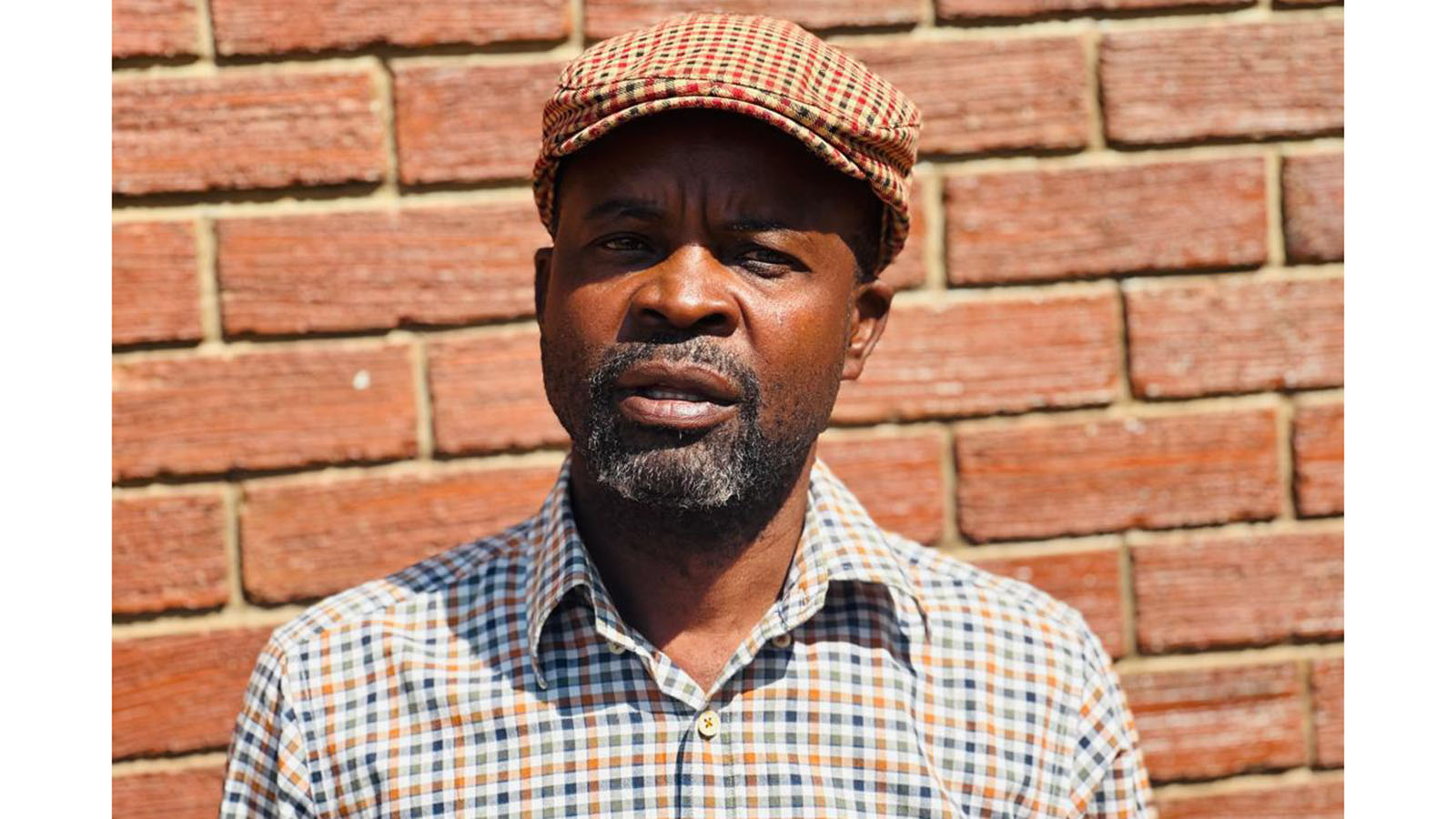
Economic analyst Mr George Nhepera said economic development is key to the attainment of Vision 2030.

“The newly-appointed Cabinet Ministers are all experts in their respective fields and as such we look forward to seeing them being foot soldiers of the President in delivering value to the nation. It’s indeed a privilege to be appointed by His Excellency, the President, among so many brilliant and experienced people in our country.
“As business leaders we shall be there to provide our technical support so that we build our economy together for the good of our society and people at large,” he said.
Another economic analyst Mr Grey Munetsi-Nyama echoed similar sentiments saying the newly-appointed Cabinet is a signal of the leader’s policy thrust and dimension.
“To the extent of repeat appointments, the market reads a desire to continue on the current trajectory and thrust while changes indicate areas due for revision.
“Looking at it from that angle, it appears that there will be more of the same mostly with a few new changes here and there. The key drivers will be the Ministries of agriculture, mines, energy, industry, and finance,” he said.



 Online Reporter