


 Online Reporter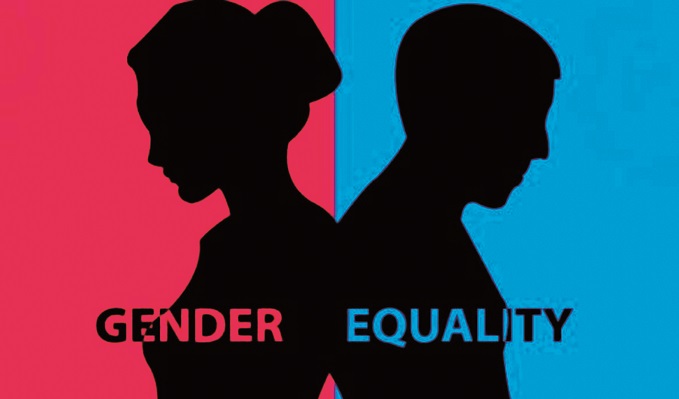
IN a significant step towards promoting gender equality and empowering women and girls, the Government of Zimbabwe launched the Revised National Gender Policy (NGP) 2025 on June 27, 2025.
The launch followed Zimbabwe’s successful hosting and chairing of the SADC Ministers of Gender meeting.
It was a testament to the country’s commitment to promoting gender equality and addressing deep-rooted gender disparities.
The policy aims to create a gender-just society, where men and women, boys and girls enjoy equality, contribute and benefit as equal partners in the development of the country.
It seeks to advance gender equality and equity in the socio-economic, cultural and political development of Zimbabwe.
Pegged on the Government’s commitment to Vision 2030, Sustainable Development Goals Agenda 2030 and building on the gains made in the implementation of previous policies, this policy contains 10 pillars, namely:
i . Legal justice and constitutional rights
- Gender-balanced leadership and decision-making
iii. Equitable and inclusive economic empowerment
- Equal access to clean and sustainable energy
- Gender responsive health and pandemic resilience
- Equal access to education, innovation and skills development
vii. Gender-based violence prevention and response
viii. Gender responsive climate action and resilience
- Gender and disability
- Equal access to information, media and digital technologies
The policy, developed through a consultative process involving Government ministries, civil society organisations, development partners and communities, outlines a comprehensive framework for promoting gender equality and women’s empowerment.
One of the key focal areas for the NGP is promoting gender-balanced leadership and decision-making.
The policy notes that Zimbabwe has made significant progress in recent years, with women now heading all four Chapter 12 independent commissions, while the Judiciary has maintained a 50 percent gender balance.
However, women remain under-represented in key institutions such as Cabinet, Parliament and the private sector.
To address this, the policy proposes the implementation of affirmative action measures to facilitate equitable and inclusive representation in all sectors and the need for gender-sensitive policies and practices within political parties and institutions.
It also calls for inclusive leadership training and mentorship programmes.
Another critical area of focus is equal and inclusive economic empowerment. The policy recognises that sustainable economic development cannot be achieved without the full inclusion of women in all spheres of the economy.
It proposes measures to strengthen the capacity and sustainability of women-owned enterprises, develop and implement laws and policies that promote equal and inclusive participation and representation in all economic sectors and facilitate equal access to credit lines and ownership of productive resources. The policy also prioritises the prevention and response to gender-based violence, which remains a significant challenge in Zimbabwe.
It suggests measures to strengthen the development and implementation of laws and policies, promote economic empowerment and psychosocial support for survivors, and engage men and boys in preventing gender-based violence (GBV).
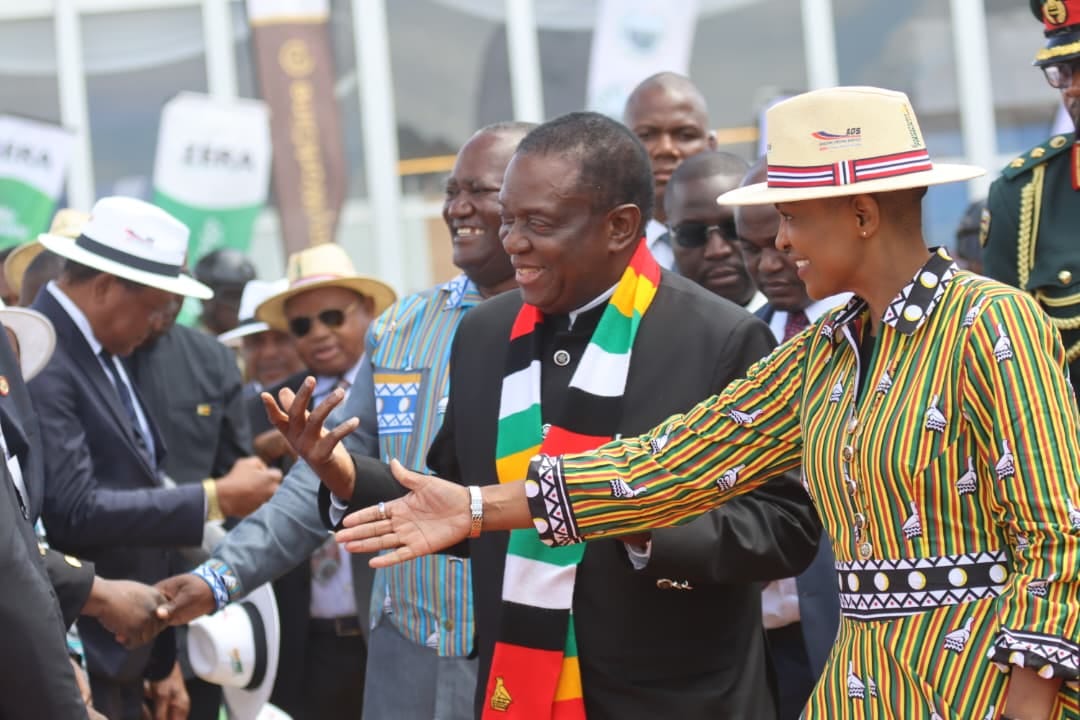
In her keynote address at the launch, Women Affairs, Community, Small and Medium Enterprises Development Minister Senator Monica Mutsvangwa called for a societal approach to ensure that Zimbabwe’s bold vision is delivered across the country.
She also emphasised the importance of collective action in achieving gender equality.
“We cannot achieve gender equality alone. We need the support and commitment of all stakeholders, including Government ministries, the private sector, civil society organisations and traditional leaders,” she said.
Speaking at the SADC senior officials meeting, Ms Mainga Kabika, a permanent secretary from Zambia, said GBV remains a serious challenge across the region.
The NGP aligns with Zimbabwe’s obligations under the SADC Protocol on Gender and Development, which sets clear targets for gender equality and women’s empowerment.
Zimbabwe’s policy direction is also guided by its commitments under the Convention on the Elimination of All Forms of Discrimination Against Women (CEDAW), a key global framework for advancing women’s rights.
The NGP is a call for all stakeholders to work together towards a common goal, which is a society where gender equality is not just an aspiration but a reality.
The Zimbabwe Gender Commission (ZGC), through its oversight mandate, will enforce mandatory gender audits in public and private institutions, champion gender-responsive budgeting (GRB) and lead a clear implementation strategy and monitoring and evaluation framework that guarantees accountability at every level.
Speaking on behalf of ZGC at the launch of the policy, chairperson Mrs Margaret Mukahanana-Sangarwe, vice chairperson Commissioner Obert Matshalaga described the policy as “a transformative vision for gender equality in Zimbabwe”. He emphasised the importance of collective action in achieving gender equality at the sub-regional level.
“The success of the policy will depend on the collective efforts of all stakeholders, including Government ministries, the private sector, civil society organisations and traditional leaders.
“It will require a commitment to promoting gender equality and women’s empowerment and to challenging the status quo,” he said. The policy affirms ZGC’s mandate given by Section 245 of the Constitution of Zimbabwe — promoting gender equality and equity, investigating possible violations of rights relating to gender and monitoring issues concerning gender to ensure the attainment of gender balance in all spheres of society. Commissioner Matshalaga added that ZGC will play a critical role in monitoring the implementation of the policy, ensuring that public institutions are held accountable for delivering on their commitments, as provided for under Section 246 of the Constitution, which empowers the commission to ensure gender equality is realised through oversight, monitoring and investigation.
The implementation of the policy is expected to bring transformative changes in the lives of Zimbabwean women and girls, as it will promote equal access to education, healthcare and economic opportunities, and challenge the deep-rooted gender stereotypes and biases that have long hindered their progress.
This article was prepared by the Zimbabwe Gender Commission.


 Bongani Ndlovu
 Online Reporter