malvernmugadzikwa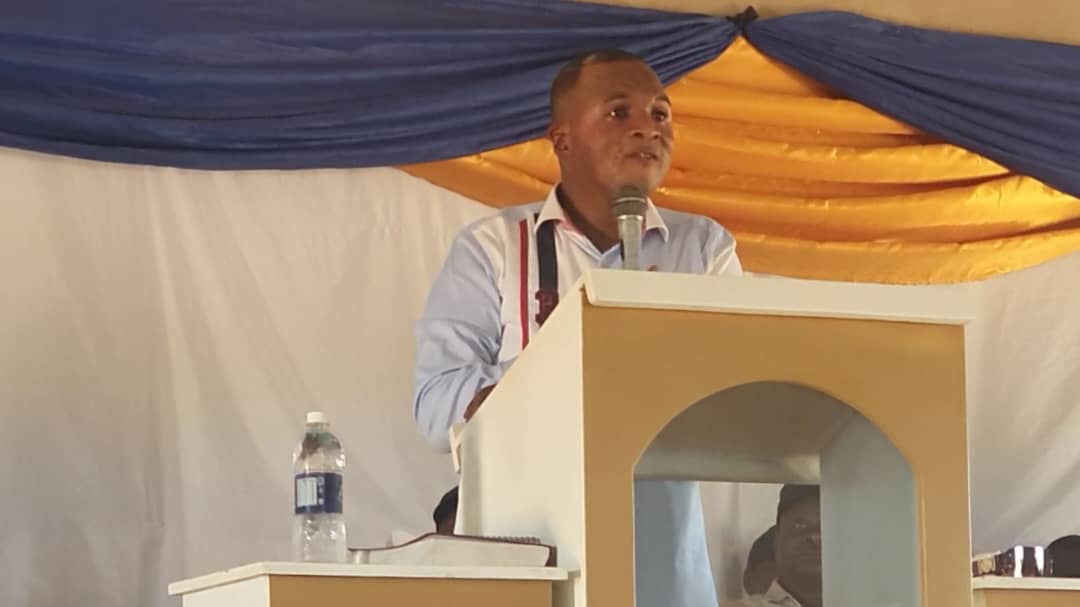
Ivan Zhakata
Destiny of Africa Network (DAN) has launched the third phase of its affordable housing project for low-income earners and the disadvantaged, as the organisation complements Government efforts in meeting the provision of shelter.
Speaking at the launch in Chinhoyi over the weekend, DAN founder Reverend Obadiah Musindo said housing was more than just shelter.
He said it was about economic empowerment and upliftment of communities.
“Housing development creates jobs, stabilises families and brings dignity to our communities,” he said. “We are proud to walk hand-in-hand with the Government in this critical mission.”
Rev Musindo highlighted his organisation’s commitment to complementing government efforts.
“Our vision is to ensure that every Zimbabwean, regardless of their economic background, has access to a home,” he said.
“This is about empowering widows, low-income earners, and the vulnerable to live with dignity.”
Ms Memory Chinyama, a 35-year-old widow who benefited from DAN expressed gratitude for the initiative that is empowering communities.
“Destiny of Africa Network gave me hope when I thought owning a home was impossible,” she said.
DAN has since emerged as a vital partner in the Government’s national housing policy, bringing affordable housing solutions to ordinary citizens and taking a bold step toward addressing Zimbabwe’s housing deficit.
Under the leadership of Rev Musindo, the organisation has already provided over 50 000 housing stands to families across the nation, with an emphasis on inclusivity and community empowerment.
The Government’s National Housing Policy aims to construct over 220 000 housing units by 2025, addressing urban overcrowding and rural housing needs.
DAN’s initiatives, which began in the early 2000s, align closely with this goal.
Phase One of the programme laid a strong foundation by providing thousands of affordable stands, while Phase Two, launched around 2009-2010, expanded operations to multiple towns.
The launch of Phase Three of the programme over the weekend is a testament to the DAN’s commitment to housing provision for the less privileged.
The organisation’s community-focused approach has earned accolades.
The DAN’s schemes provide land and flexible payment plans, making homeownership accessible to many who would otherwise be excluded from formal housing markets.
As Zimbabwe’s urban population continues to grow, DAN is proving that public-private partnerships that can be a game-changer in delivering sustainable housing solutions.



 Online Reporter