peter
peter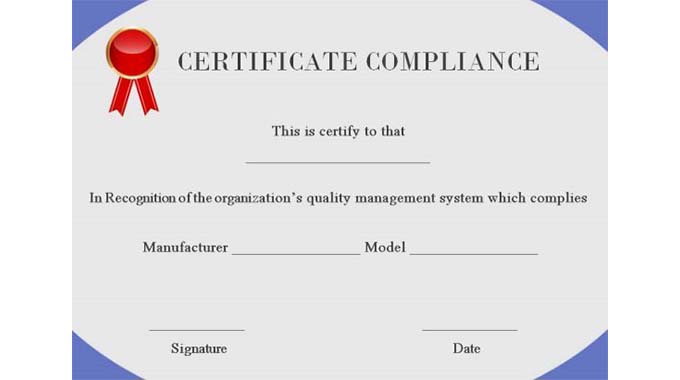
Real Estate Issues with Jonathan Thompson
Have you ever wondered, ‘Where do residential stands come from?’
We are continuing to answer this question.
In the last article, I described how a landowner or developer goes through the first steps to create a new development and new stands.
One of the most important steps is when the local authority issues the ‘Compliance Certificate’.
Without this document, the new buyer cannot get Title Deeds, approved building plans, or start building legally.
Looking around the city we can see many developments where the servicing is clearly not completed, yet buyers have built homes and are currently living there.
This is impossible to do legally.
In some parts of the country, these homes can risk being removed by Government.
Without the Compliance Certificate your building plans cannot actually be approved.
Without approved building plans, you cannot legally build your structures.
All finished construction needs to be inspected and issued an ‘Occupation Certificate, prior to anyone living in the house.
All these steps are regularly skipped.
The buyer can become impatient when the ‘Compliance Certificate is delayed.
There are local cases where 20 years have passed and the servicing is still not completed.
The buyer then ‘takes the Law into his own hands’, and moves forward with construction.
This puts them in a very dangerous situation.
They risk losing everything that they have worked so hard for.
It is far better to buy your stand from a development which has its servicing completed.
Always ask to see the site, to determine what is happening on the ground.
If nothing has been done, it is safer to wait.
On the other hand, if the developer is busy with the servicing, or has already serviced other sections, this would be a safer option.
The developer also needs to be issued with an Endowment Certificate’.
The Law states, “The Applicant shall pay endowment to the Local Authority in terms of Section 41 (1) of the Regional Town and Country Planning Act Chapter 29:12 before any other transfers are made.
Endowment shall be calculated as follows:- 10 percent for residential, 13 percent for commercial, 7 percent for other uses such as churches and creches.”
This Endowment fee is paid to the Local Authority, and once paid there is an Endowment Certificate issued.
Once the developer has completed all of the permits, servicing, inspections, and has received all of the certificates, then the buyer may begin the conveyancing process.
The relevant paperwork will be drawn up and sent to the conveyancing attorneys.
They will draw up the transfer documents and collect the transfer fees from the Buyer.
Transfer fees, in total, generally cost between six to seven percent of the purchase price of the property.
The Seller and the Buyer will go through an interview with Zimra, to determine if there are any taxes due.
A development will normally pay VAT, negating the need to pay CGT.
Once all of these steps are completed, the new buyer will receive a Title Deed for their individual stand, in their name.
This new Title Deed signifies a “Real Right” that the buyer holds.
This Title Deed ensures security and safety over the ownership of the property.
Any process that does not lead the buyer to a Title Deed is unable to offer the same protection.
The safest option is to buy a stand, through a Registered Estate Agent, from a reputable developer.
The Registered Estate Agent is there to assist both parties, to ensure that both sides are protected in the sales transaction.
It is far better to be safe, than sorry!
l Jonathan Thompson is a Registered Real Estate Agent who works in Bulawayo.
He has nine years of experience in Real Estate in the USA, and another 10 years of experience in Bulawayo.
He is the founder and the Managing Director of Thompson Properties (Pvt) Ltd.


 Online Reporter