Online Reporter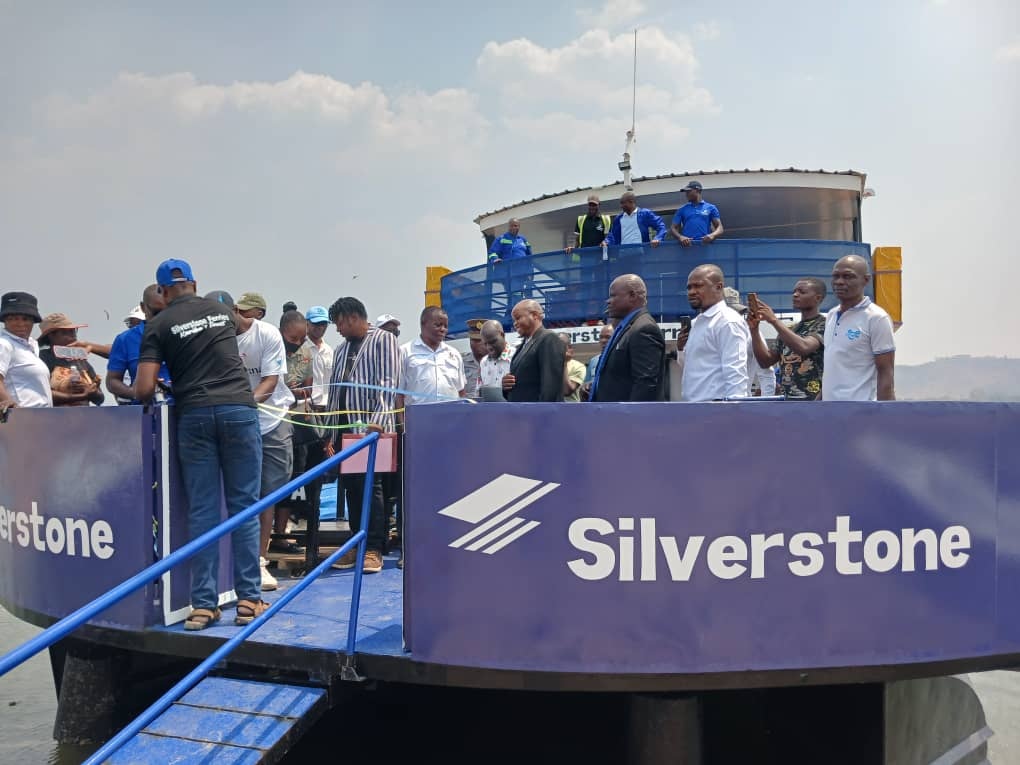
Walter Nyamukondiwa in Kariba
MORE than a month after the MV Rida Mbuya Nehanda disaster claimed 97 lives, a new ferry has been launched on Lake Kariba, offering a vital transport lifeline to lakeshore communities that have spent weeks grappling with loss, isolation and disruption to trade.
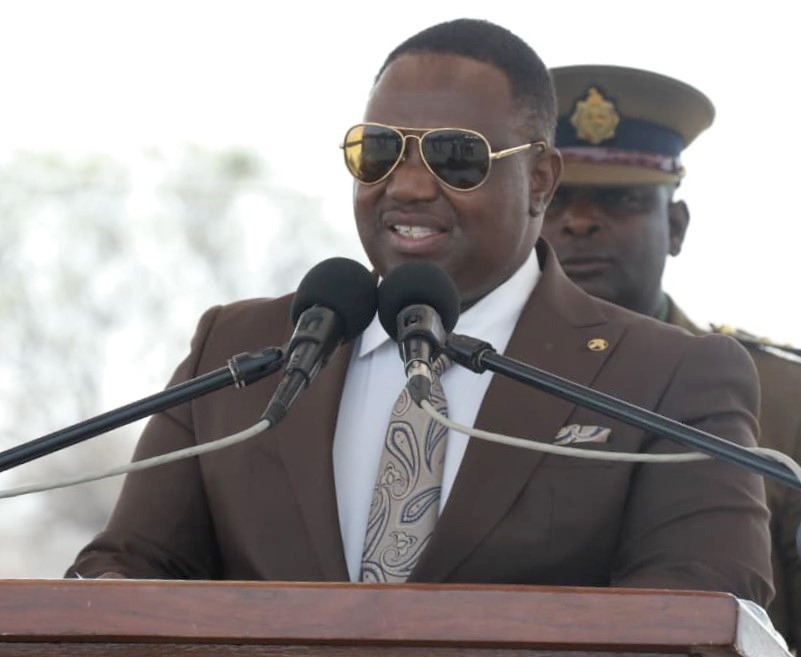
The MV Silverstone, operated by Most High Ferries, was officially launched by Transport and Infrastructural Development Ministry director Advocate Kingstone Magaya, who represented Permanent Secretary Engineer Joey Makumbe.
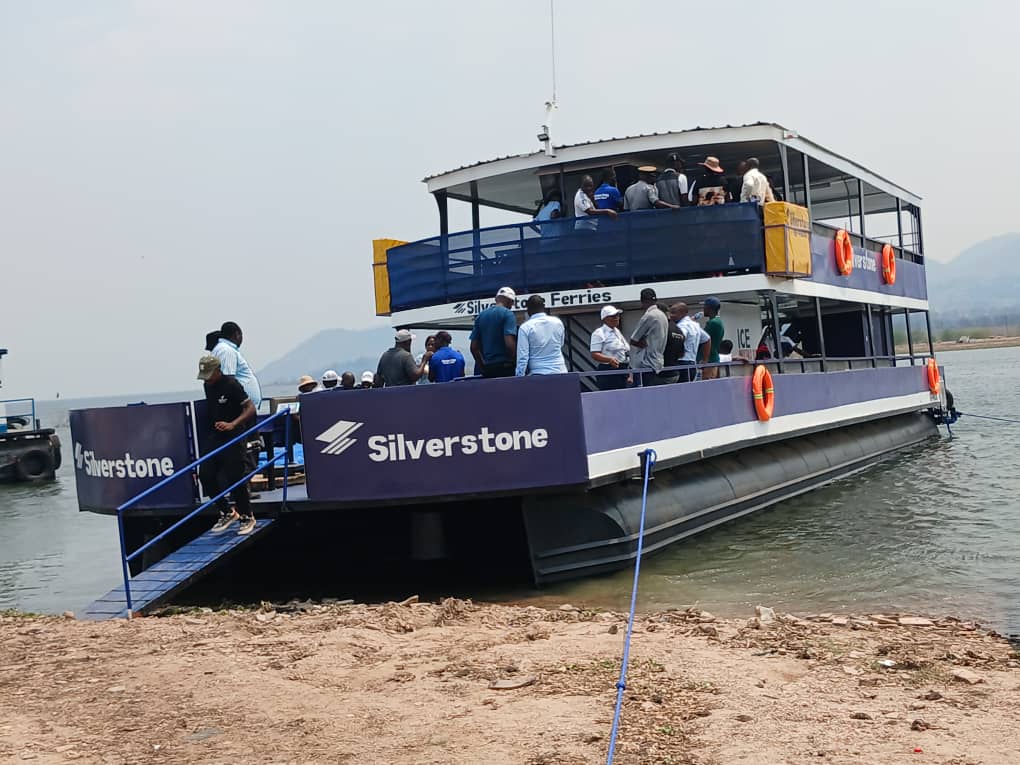
The vessel will service the Kariba-Chalala route previously operated by the ill-fated MV Rida Mbuya Nehanda and represents one of the first private sector investments aimed at restoring connectivity following the tragedy of 11 August 2026.
Adv Magaya said Government alone could not adequately service Lake Kariba and commended the vessel’s proprietor, Mr Hillard Mangove, for stepping in at a critical time.
“Imagine if we had other players, other than the RIDA Ferry, which was plying that route. It means that you are not going to face any difficulties or challenges, and a negative impact to the economy and the family chain as a whole,” he said.
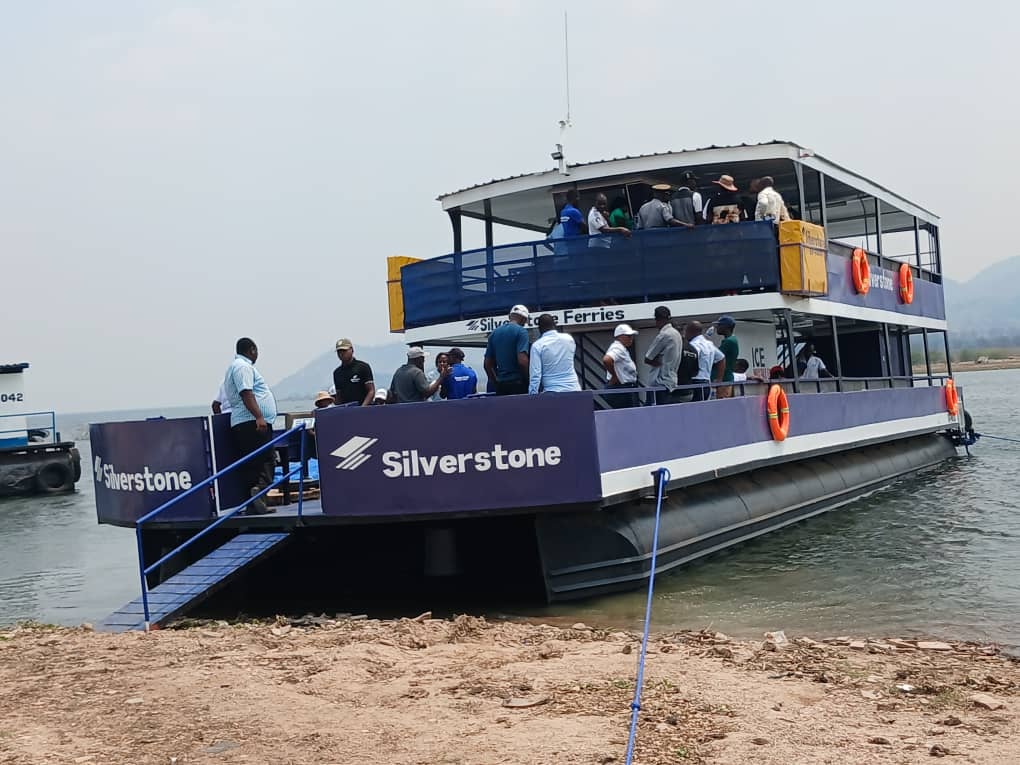
He said liberalisation of transport routes, including inland waterways, had become a key component of Government policy aimed at improving access and boosting economic activity.
In his remarks, Lake Captain Mr Adan Nyekete said the launch came at a time when the nation was still recovering from the devastating loss of life caused by the ferry accident.
He said the double-deck vessel was mounted on triple pontoons and measures 21,8 metres in length and 5,9 metres in width. The ferry can carry 60 passengers and four crew members and will make stopovers at Kings Camp Fishing Camp and Musambakaruma Fishing Camp.
“This ferry has been rigorously inspected and it meets all regulatory standards,” he said.
Mr Nyekete urged operators to prioritise passenger safety at all times.
“Avoid the temptation of overloading so that you make quick money at the detriment of your client’s safety,” he said.
He also reminded operators that their permit only allows operations between 6am and 6pm.
Silverstone Ferry director Mr Mangove said extensive safety measures had been incorporated into the vessel’s operations to ensure the secure transportation of both passengers and cargo.
All cargo will be weighed before loading to ensure the ferry remains within its prescribed 18-tonne carrying capacity, including both passengers and freight.
The vessel will also carry at least 120 life jackets and flotation devices, nearly double its maximum carrying capacity of 64 people. In addition, two speedboats will accompany the ferry to enhance safety and emergency response capabilities.
Mr Mangove said the project had been under development for some time, although the tragedy accelerated the need to bring it into service.
“After the disaster we realised that there was dire need for transport to keep businesses running and also keep families connected. We had to go through the regulatory processes and I am glad we are finally here,” he said.
Mr Mangove, who spent about two decades in the United Kingdom, thanked Government and President Mnangagwa for creating an environment that allows local entrepreneurs to invest in critical transport infrastructure.
He said the vessel had been specifically designed to support the unique economic activities of Lake Kariba communities.
Apart from transporting passengers, the ferry will carry ice blocks used to preserve fish destined for markets as well as salt used in the drying and preservation of kapenta.
For many residents, the launch marks the end of weeks of uncertainty and hardship following the suspension of regular ferry services.
Fish traders have struggled to move their products to market, resulting in losses as catches spoiled due to transport delays. Families have also faced difficulties travelling between Kariba’s rural and urban areas, particularly following the reopening of schools.
“The past month has been difficult for us fish traders as supplies dwindled while fish went bad owing to lack of transport,” said Mrs Tendekai Siamusiya.
Another resident said communities had been forced to rely on alternative and often unsuitable means of transport.
“We had to ask kapenta rig operators to carry a few people at a time. They had become the default transporters,” he said.
The return of a dedicated ferry service is expected to restore the movement of people, goods and essential supplies between the lakeshore settlements and Kariba town.
Fares have been structured according to stopovers along the route. A trip to Kings Camp will cost US$8, while passengers travelling onwards to Musambakaruma will pay an additional US$5. A direct journey between Kariba and Chalala will cost US$15.
Authorities and residents alike hope the MV Silverstone will help revive economic activity along the lake while providing a safe and reliable transport service in the aftermath of one of the country’s worst inland water transport disasters.