

 peter
peter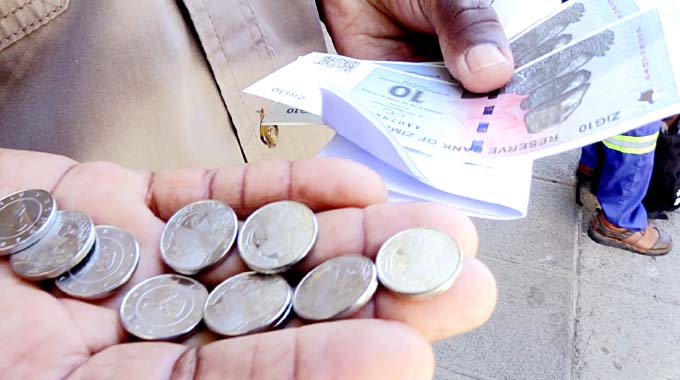
Marshall Ndlela
ZIMBABWE’S financial landscape is undergoing a significant transformation. After years of relying on the US dollar, the nation’s banks have begun issuing new Zimbabwean notes called the Zimbabwe Gold (ZiG). This strategic shift marks a pivotal moment in the country’s economic history, potentially redefining its path towards self-sufficiency and stability.
A nation’s decision to issue its own currency is often driven by a deep yearning for economic independence and control over its financial destiny. A sovereign currency empowers a country to tailor its monetary policies to address its unique economic needs and aspirations.
This flexibility allows Zimbabwe to manage interest rates, influence inflation and stimulate domestic growth through strategic fiscal measures. Imagine Zimbabwe being able to adjust interest rates to encourage borrowing for business expansion or lower them to ease the burden on consumers, all without relying on external forces.
The adoption of a national currency presents several advantages for Zimbabwe. Perhaps the most significant benefit lies in the new-found ability to influence the domestic economy. Zimbabwe can now set its own interest rates, a crucial tool for stimulating investment and economic activity. Additionally, managing the money supply allows for greater control over inflation, a critical factor in ensuring price stability and protecting the value of citizens’ savings.

A national currency empowers Zimbabwe to manage its exchange rates strategically. By manipulating the exchange rate, the country can potentially make its exports more competitive in the global marketplace, attracting foreign investment and increasing its export earnings. This could lead to a significant boost in economic activity and job creation.
Beyond the tangible economic benefits, a national currency serves as a powerful symbol of sovereignty and national identity. It fosters a sense of unity and belonging among Zimbabweans, representing their nation’s unique place in the global economic landscape.
Establishing a sound economic foundation with credible monetary policies and sufficient reserves to back the new currency will be essential for ensuring its long-term viability. Without a doubt, Zimbabwe’s decision to reintroduce its own currency represents a bold step towards economic self-determination.
l Marshall Ndlela is a Zimbabwean Economist based in Melbourne, Australia. He is a holder of a Master’s Degree in Finance and Accounting from the University of Chichester, England. He can be contacted via [email protected]



 Blessing Chizhande
 Online Reporter