Tinaye Agere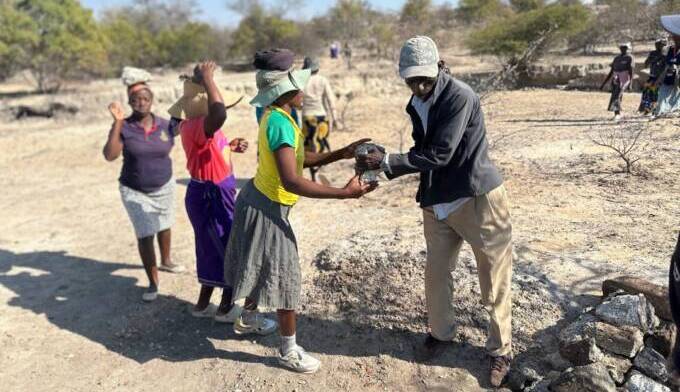
Theseus Shambare in BIKITA
COMMUNITIES prone to droughts and disasters must be assisted with programmes that strengthen resilience and preparedness to avoid poverty and food insecurity in Zimbabwe.
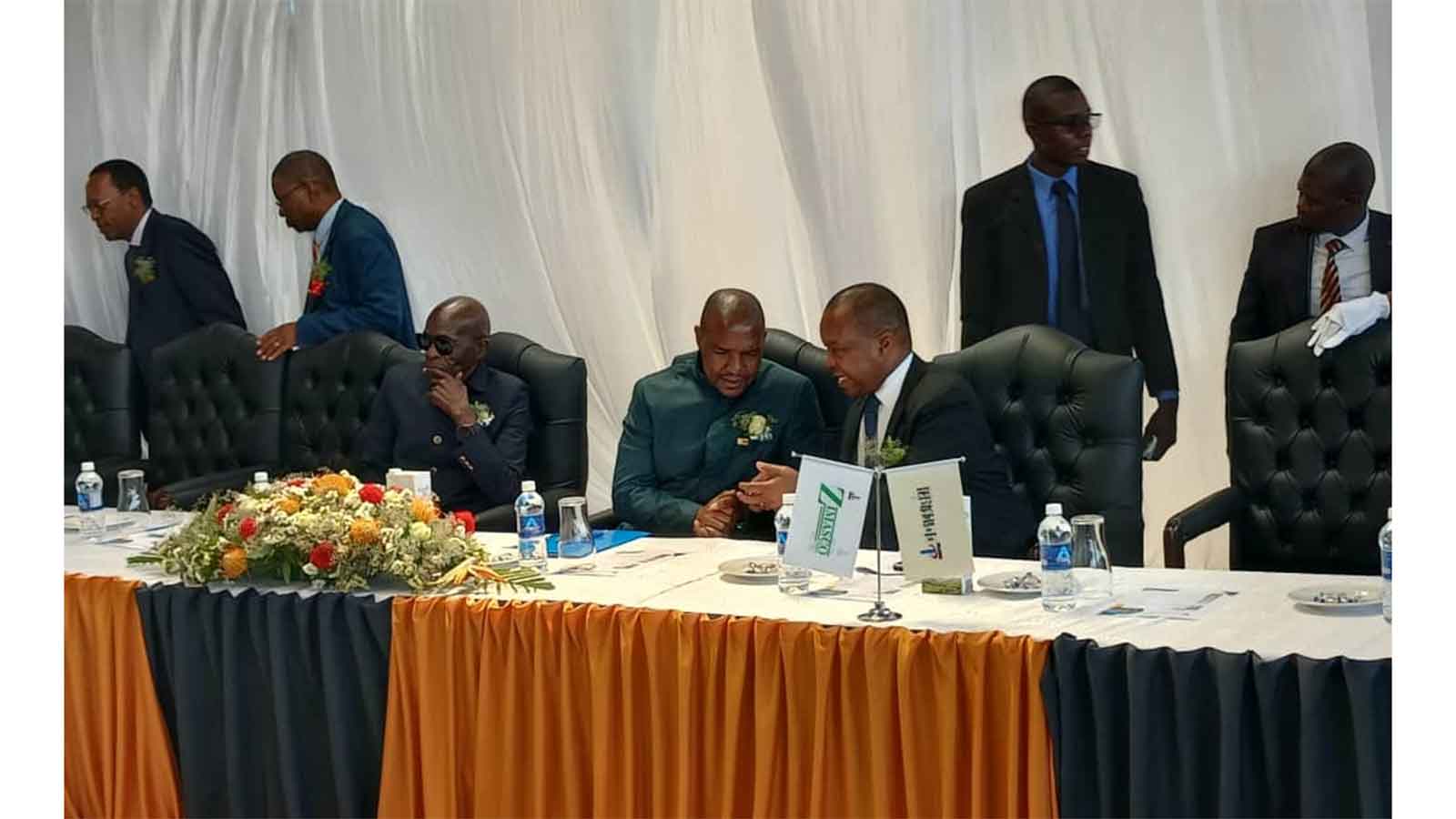
Catholic Relief Services Zimbabwe (CRS) country representative Dr Tapfuma Murove made the remarks on Friday after the launch of the Lean Season Assistance programme in Bikita by USAID in partnership with CARE International and World Food Programme (WFP).
“Programmes need to create resilience and preparedness in communities.
“In response to the crisis, CRS Zimbabwe, with support from USAID/BHA, has developed programmes to strengthen communities’ resilience and preparedness for future droughts and disasters.
“The Zwitile Food Assistance for Assets (FFA) project is working with communities to create healthier natural environments, reducing the risks and impact of climate shocks and increasing food productivity,” said Dr Murove.
The 13-month project is providing El Nino-induced drought relief to vulnerable households in Gwanda and Mangwe Districts in Matabeleland while CARE International is implementing the same in Zvishavane, Bikita and Chiredzi.
Secretary for Masvingo Province and Devolution, Dr Addmore Pazvakavambwa thanked the development partners saying the results of are already visible in the area.
“Implementation has left an indelible mark on communities as it transformed food assistance into opportunities for growth.
“Communities managed to clear invasive species in communal grazing areas, established contours, made stone checks on dams’ silt traps along eroded communal land and cleared vegetation from access roads. They also established groundwater recharge structures at water sources, among many other things,” said Dr Pazvakavambwa.
Project participants are eradicating invasive alien species like Lantana Camara and closing galleys in their communities.
The programme is aimed at increasing rangelands, preventing further land degradation and reducing water source siltation.
For every 60 hours of work, each participant gets 50 kg of sorghum, 10 kg of yellow split peas and 3.7 kg of vegetable oil.
“We are grateful to the Government for bringing in development partners who care about our future,” said Netsai Mathilele of Chimunhu Village in Bikita.
“We are being paid to rebuild our community. What more could we ask for?”
The project is also providing unconditional food assistance to vulnerable community members, including the elderly, people with disabilities and orphaned and vulnerable children who do not have the capacity to participate in community asset building.
Feedback: X@TheseusShambare



 Online Reporter