Online Reporter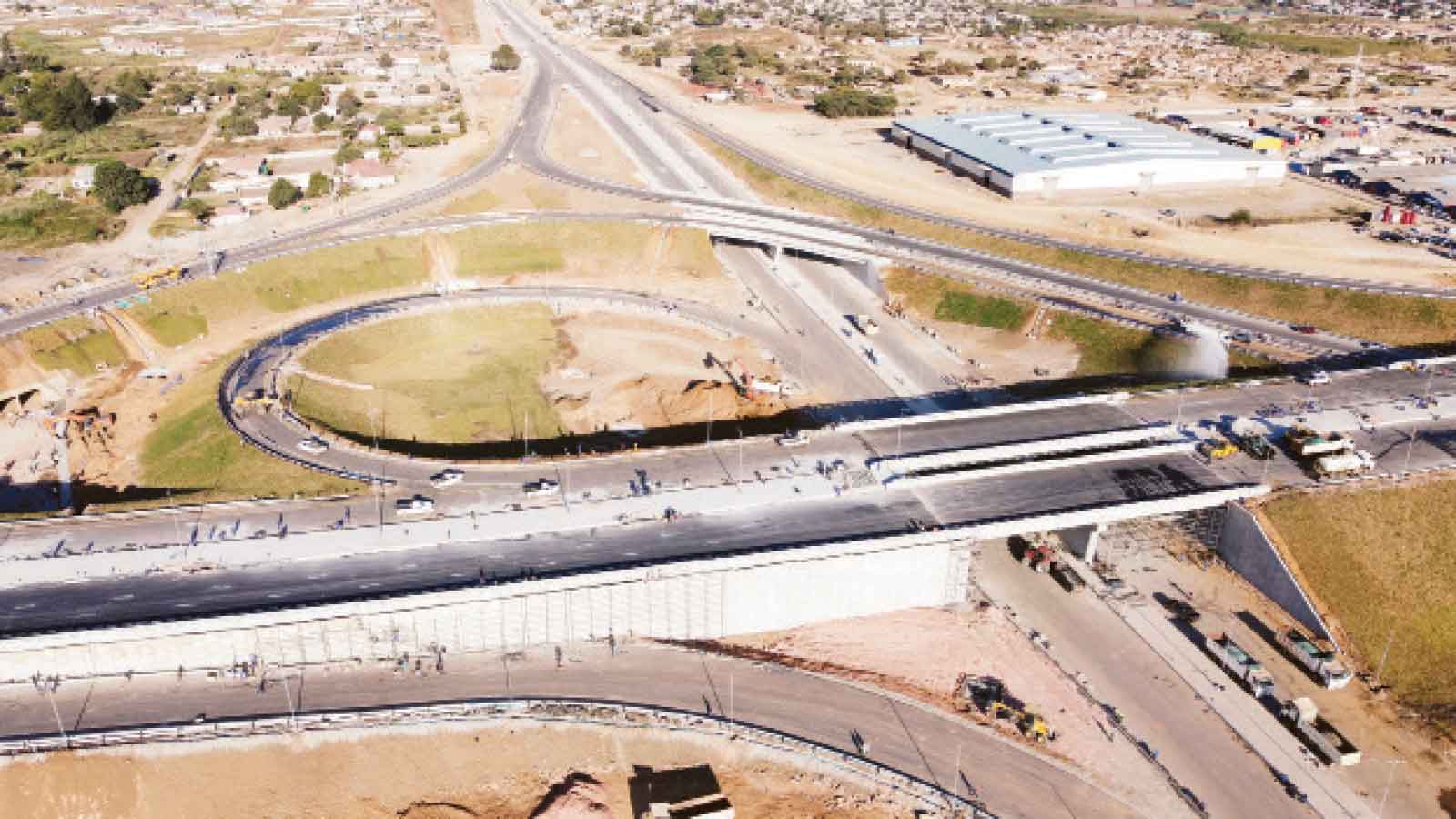
Jimmy Murwira
In recent years, Zimbabwe has entered a new phase of economic transformation driven by a strategic blend of policy reforms and large‑scale infrastructure development under the Second Republic.
This shift represents more than periodic policy adjustment; it signals the emergence of a deliberate, long‑term approach to stabilising the economy, rebuilding critical systems and modernising national infrastructure in ways that directly impact communities, industry and the broader investment climate.
Across the country, evidence of this new trajectory is increasingly visible.
Major road rehabilitations, renewed energy projects, expanded health infrastructure, revived agricultural systems, growing retail and commercial construction, and the digitalisation of public services are reshaping the national landscape.
When combined with fiscal and monetary reforms designed to stabilise markets and rebuild confidence, these developments point to the gradual strengthening of Zimbabwe’s economic foundations.
One of the most notable shifts under the Second Republic has been the focus on economic stabilisation.
While the journey has not been without challenges, the overall direction reflects a clear intention to promote predictability and investor‑friendly conditions.
The modernisation of monetary frameworks, efforts toward debt restructuring, tighter fiscal discipline, and targeted export‑promotion incentives have contributed to restoring a measure of stability that had long eluded the economy.
Central to these reforms has been an emphasis on value‑chain development and export growth.
Key productive sectors—particularly mining, agriculture and small‑to‑medium enterprises—have increasingly benefited from policies aimed at boosting production capacity, formalising operations and strengthening transparency.
As a result, producers in both the mining and agricultural sectors are operating with greater confidence, leading to increased output, higher deliveries and expanded rural economic participation.
While no reform agenda delivers instant solutions, the cumulative impact of these measures has been the gradual restoration of investor confidence and the emergence of more predictable economic patterns.
Even amid global economic shocks, Zimbabwe has sustained steady improvements in critical areas such as infrastructure development, energy generation and agricultural output.
Economic reforms, however, cannot unlock national growth without robust physical infrastructure.
Under the Second Republic, infrastructure development has become a central pillar of national transformation.
Roads, bridges, dam construction, health facilities, digital systems and energy expansion projects now define the most visible aspects of the country’s development narrative.
Major highways and feeder roads linking towns, mining centres, rural communities and agricultural hubs have undergone extensive rehabilitation.
These upgrades are vital for reducing transport costs, strengthening domestic supply chains and enhancing investment attractiveness.
Improved road networks facilitate faster movement of goods, better access to markets and greater economic inclusion—particularly for rural communities.
The expansion of shopping malls, commercial centres and industrial parks across the country further signals renewed private‑sector confidence.
Such developments do not occur in isolation; they are responses to improved macroeconomic conditions, policy consistency and infrastructure readiness. This growth reflects a business sector increasingly willing to invest in long‑term opportunities.
In the social sector, progress in health infrastructure highlights a renewed commitment to inclusivity.
The construction and upgrading of clinics, hospitals and maternity wings across both urban and rural areas has significantly improved access to essential services.
Beyond healthcare delivery, these investments support labour productivity, community well‑being and national resilience.
A modern economy also depends on reliable energy and water systems. Zimbabwe’s efforts to expand power generation, rehabilitate transmission networks and integrate renewable energy sources are laying the foundation for sustained industrial growth.
Improved electricity availability in several regions has helped revive manufacturing, enhance mining productivity and improve service delivery in homes, schools and hospitals.
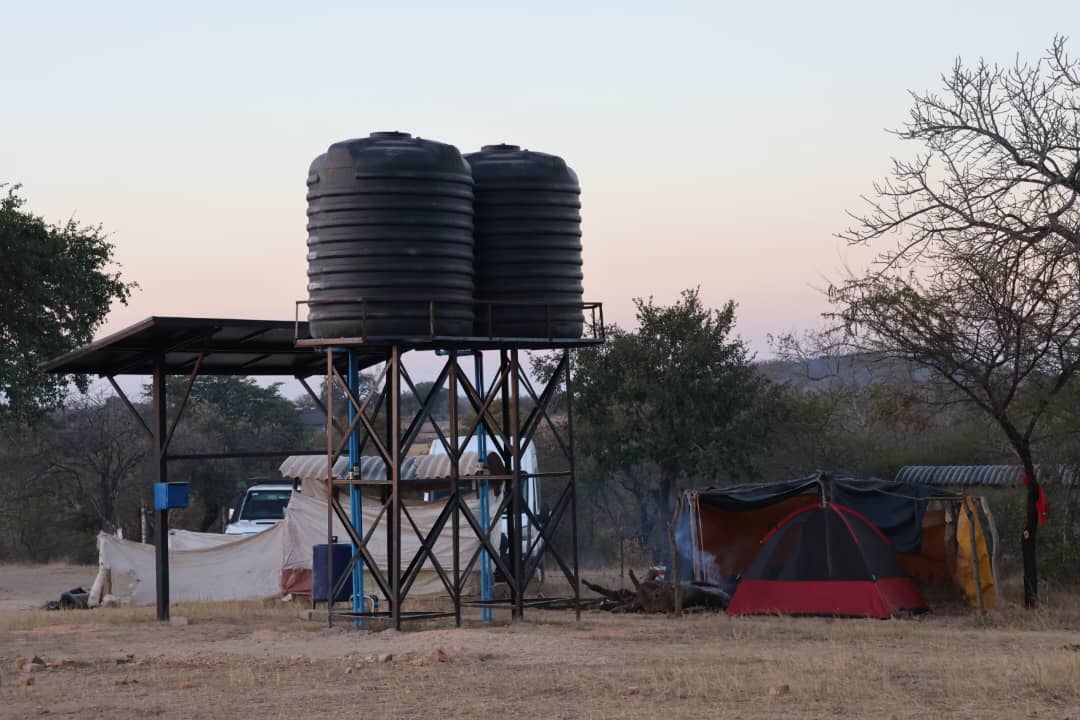
Complementing these efforts, dam construction and irrigation rehabilitation projects are strengthening water security and climate resilience.
These initiatives are expanding agricultural capacity, supporting national food security programmes and boosting export potential in horticulture, grains and livestock production.
Infrastructure development under the Second Republic is not limited to physical assets.
Digital transformation has emerged as one of the most consequential reforms. The modernisation of civil registry systems, e‑government platforms and digital identity services has reduced administrative bottlenecks, improved transparency and eased long‑standing burdens faced by citizens.
A digitally empowered public service enhances efficiency, reduces corruption risks and aligns Zimbabwe with global governance and technology trends.
Digitalisation is also opening new opportunities for young people, innovation hubs and tech‑driven entrepreneurship, strengthening the country’s long‑term competitiveness.
Taken together, economic reforms and infrastructure development are positioning Zimbabwe for sustained growth as the country advances toward Vision 2030.
While challenges remain— as they do in all developing economies— the direction of progress is unmistakable.
The Second Republic has placed strong emphasis on stability, inclusivity, economic modernisation and infrastructure resilience.
Zimbabwe’s future growth will be anchored in policies that deepen production, expand exports, modernise infrastructure and embrace digital transformation.
The continued momentum in retail, transport, energy, agriculture, construction and public administration reflects a nation steadily rebuilding its economic capacity.
Zimbabwe’s story today is one of rebuilding, renewal and resilience.
The reforms and infrastructure projects underway are not symbolic; they are tangible interventions reshaping communities and unlocking new economic opportunities.
The Second Republic’s focus on long‑term development over short‑term fixes reflects a more mature and forward‑looking approach to economic governance.
If this momentum is sustained, Zimbabwe stands at the threshold of a new era—defined by stability, modernisation and sustainable growth.
The foundations being laid today will shape the country’s economic landscape for generations to come.