Online Reporter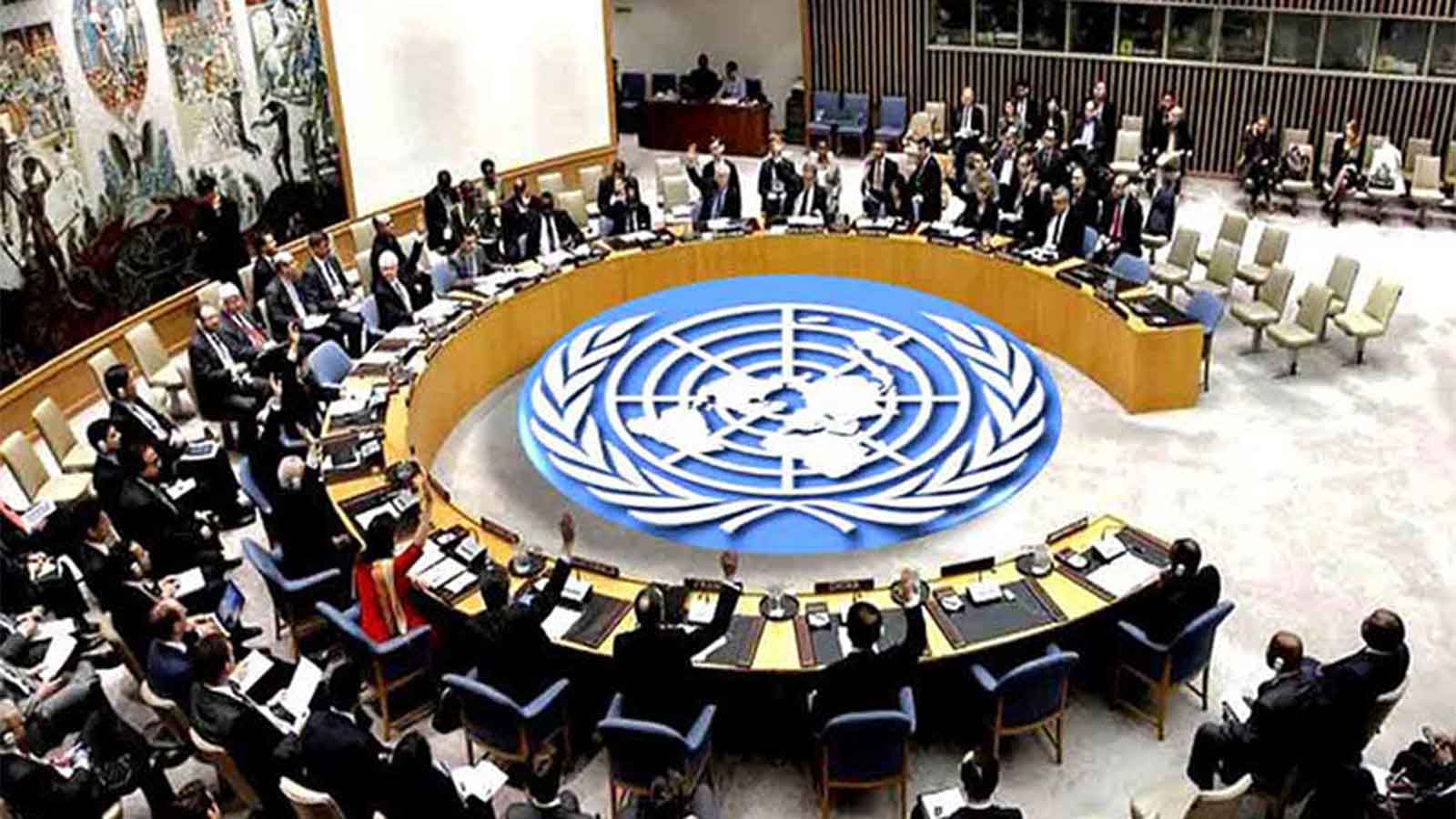
Silwangani Ncube
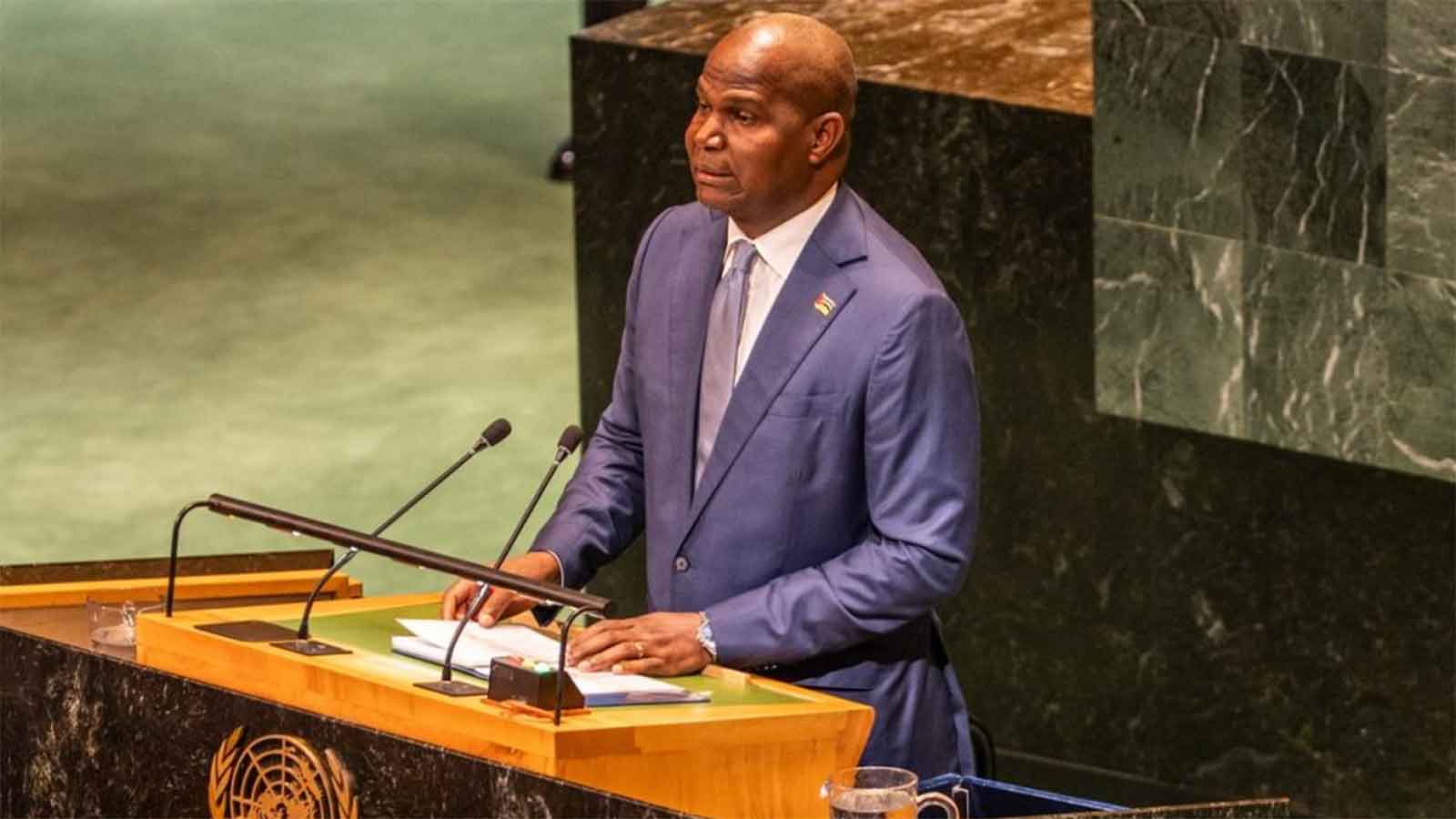
AFTER its election on the United Nations Security Council (UNSC) for the 2027-2028 term, Zimbabwe now sits on the table where decisions are spoken into existence.
Having garnered 182 out of 190 votes, Zimbabwe enters a 15-member chamber where five permanent members (P5) hold veto power and 10 non-permanent members serve two-year terms.
For Africa — a continent of 54 countries and 1,4 billion people — not having a permanent seat represents institutional injustice. But here is why Zimbabwe’s UNSC seat is a geopolitical, economic and social catalyst.
From resolution-takers to resolution-makers
Under Article 25 of the UN Charter, UNSC resolutions are binding international law.
Since 1946, the council has adopted 2 700+ resolutions. Post-1990, over 60 percent of Chapter Vll enforcement actions targeted African states — Somalia UNOSOM I & II, Rwanda UNMIR, Sierra Leon UNAMSIL, DRC MONUC/MONUSCO, South Sudan UNMISS, Mali NIMUSMA, Sudan UNAMID.
Yet Africa had no seat at the drafting table. Zimbabwe’s presence changes that. When council renews MONUSCO’s US$1,1 billion mandate or debates ATMIS in Somalia, Zimbabwe brings SADC and AU operational experience directly into the resolution language on two levels — civilian protection and exit benchmarks.
The1945 architecture vs 2026 realities
The P5 veto structure reflects WWII victors, not 21st century demographics. Africa’s population is expected to double to 2,5 billion by 2050. It will account for 50 percent of global population growth.
Yet the council’s permanent membership has not changed since 1965. The African Union (AU)’s “Ezulwini Consensus” 2005 and “Sirte Declaration” 1999 demand two permanent seats with veto, as well as five non- permanent seats. Zimbabwe’s 2027-2028 term is a live demonstration project. Every successful mediation, every veto averted, every consensus built becomes empirical evidence for Secretary-General Antonio Guterres’ own words: “Africa deserves a permanent seat.” Performance builds the case for reform.
Sovereignty through strategic information
During 2008-2014, Zimbabwe faced targeted sanctions without being in the room where they were designed. However, from 2027, Zimbabwe will have early warning on any sanctions, arms embargoes or ICC referrals affecting Africa. Further, the UNSC does not respond to crises; it defines them.
“Terrorism”, “threat to peace”, “responsibility to protect” — these terms are codified in council resolutions. Zimbabwe can push African definitions. For example, that climate-induced migration, water scarcity and youth unemployment are security threats under Article 39. When council agreed on Resolution 2349 2017 that Lake Chad’s shrinkage was a security issue, it unlocked UN climate funding. Zimbabwe can replicate that for the Zambezi Basin, Kalahari desertification and cyclone corridors.
Economic benefits
The UN peacekeeping budget for 2024-2025, which was approved by the UNSC’s Fifth Committee, is US$6,4 billion. Seventy-five percent of 70 000 plus peacekeepers serve in Africa. Zimbabwe can advocate for “performance-based peacekeeping ” that rewards Troop-Contributing Countries such as itself, Rwanda, Ethiopia, Kenya and Ghana with better equipment, as well as mission transitions that prioritise AU takeovers and artificial intelligence. Smarter missions reduce civilian deaths by 27 percent, according to a UN study, and reduce long-term costs to African states.
Critical minerals
Africa holds 30 percent of global mineral reserves, with the DRC having 70 percent of the world’s cobalt, while Zimbabwe has the second-largest lithium reserves in Africa. The EU’s Critical Raw Materials Act and US Inflation Reduction Act are scrambling for ethical sourcing.
UNSC sanctions designations can blacklist entire regions and collapse commodity prices. Zimbabwe, therefore, can lead on “Article 41 sanctions 2.0” targeted financial measures plus certification schemes modelled on the Kimberly Process. This would protect Zimbabwe’s US$12 billion lithium value chain strategy and allow Zimbabwe’s lithium to command ESG premiums of 15 to 25 percent in global markets.
Unlocking Africa’s US$3,4 trillion
Intra-Africa trade sits at 15 percent, compared to 68 percent within the European Union. The African Development Bank calculates that every 1 percent increase in intra-African trade adds US$7,2 billion to GDP. But 80 percent of African trade moves on roads that cross conflict zones. The UNSC mandates cross-border security. Zimbabwe can champion UN-backed “peace and trade corridors” — demilitarised, camera-monitored highways under AU oversight from Durban-Harare-Lusaka-Dar es Salaam. Secure corridors cut logistics costs by 30 percent and reduce truck transit time from 21 days to seven.
Further, Zimbabwe’s experience of close to two decades of targeted sanctions provides moral and technical authority. From the council, the country can push for “sunset clauses” in all sanctions regimes — automatic review every 12 months with clear benchmarks. Sanctions relief can also be linked to debt restructuring under the G20 Common Framework. Countries like Sudan saw US$50 billion in debt relief after sanctions removal. Zimbabwe’s advocacy can create that pathway for itself and Somalia, Mali and others.
Blue economy and maritime security
Ninety percent of Africa’s trade moves by sea, but piracy, illegal fishing and smuggling cost the continent US$3,3 billion annually. The UNSC authorises naval operations.
Zimbabwe, through SADC, can push for expanded mandates for maritime security off Mozambique, Somalia and the Gulf of Guinea. More secure seas mean higher insurance ratings for African ports, lower shipping costs and protected fisheries that feed 200 million Africans.
Social impact
The AU’s “Common African Position” means Zimbabwe consults Addis Ababa before every vote.
When Zimbabwe speaks on Sudan’s civilian deaths, on election violence in West Africa or on terrorism in the Sahel, it carries 54 flags. Resolution 2719 2023, allowing AU peace operations to access UN assessed contributions, passed because African Council members coordinated. Zimbabwe’s term will test and expand that model.
In addition, experts believe there will be 86 million climate refugees in Sub-Saharan Africa by 2030.
Lake Chad lost 90 percent of its water since 1963, displacing three million. Cyclone Idai 2019 killed 1 300 plus in Zimbabwe, Mozambique and Malawi. The UNSC first discussed climate as a security threat in 2007. Zimbabwe can make it central. By linking “environmental stress-migration-conflict ” in council debates, we unlock funding for dams, irrigation, drought-resistant seeds and youth employment through UN Peacebuilding Fund and climate finance windows.
Bridge-builder
Also, Zimbabwe’s non-aligned tradition makes it ideal to mediate P5 divisions.
When US-China rivalry deadlocks on Ukraine or Taiwan, Zimbabwe can table compromise language that focuses on humanitarian corridors and civilian protection — issues with 14-0 consensus.
Consensus is where small states win, because numbers beat vetoes in norm-setting.
Zimbabwe can make the council function even when the P5 members are divided.
So, overall, Zimbabwe’s UNSC seat is not a reward for past diplomacy.
It is a trust for future generations. It is a tool to protect African lives, stabilise African markets and dignify African voices.
In 1945, Africa was not at the table because it was colonised.
In 2027, Africa is at the table because it is indispensable.
The world is watching.
Let Zimbabwe lead with principle, negotiate with intellect, vote with Pan-African conviction and deliver with measurable results.
This is what strategic sovereignty looks like.