Online Reporter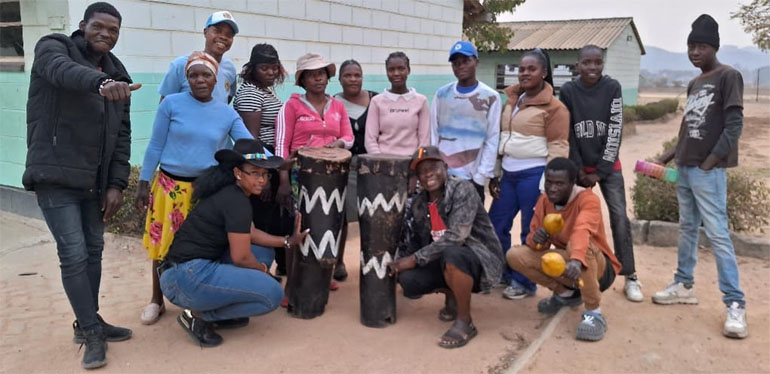
Liberty Dube
Entertainment Correspondent
THE drive to professionalise Zimbabwe’s creative sector and promote sustainable careers among artists is gathering momentum, with the “I COMMIT” initiative extending its outreach to Makoni District, where creatives recently underwent an intensive capacity-building workshop in Rusape.
The five-hour training programme, spearheaded by Taurai Moyo under the Chenhaka Trust, was held in partnership with the Zimbabwe National Traditional Dance Association (ZNTDA) and brought together artists and cultural practitioners from the Makoni Dance Group, Maungwe and Chimutsotso dance ensembles, as well as teachers from Rujeko Primary School.
The Rusape workshop came barely two weeks after the initiative was launched in Mutare, where members of Hambakwe Dance Group became the first beneficiaries of the free foundational training programme.
By taking professional development beyond major urban centres, Chenhaka Trust aims to bridge a longstanding gap in access to structured training, industry information and career support for artists operating in rural and peri-urban communities.
Conceived in July, the “I COMMIT” initiative is a sustainable, peer-supported education and training framework designed to encourage artists to take ownership of their professional growth and long-term success.
The programme is aligned with Pillar Four of Zimbabwe’s National Cultural and Creative Industries Strategy (2020-2030), which prioritises education, training and capacity building within the cultural and creative industries sector.
Unlike conventional training programmes that rely heavily on donor support, the initiative promotes self-reliance by asking participants to meet basic logistical requirements such as local transport and refreshments, while the training itself is offered free of charge.
The Makoni workshop tackled key issues affecting artists’ welfare and professional development, including substance abuse prevention, civic engagement, public funding opportunities, arts management, quality production, decent working conditions and professionalism.
Participants were urged to guard against drug and alcohol abuse, with facilitators highlighting the damaging effects such behaviour can have on artists’ health, relationships, productivity and career longevity.
The training also emphasised the importance of artists participating in local authority budget consultations and broader public funding discussions so that they can effectively advocate for greater recognition and investment in the arts sector.
Group leaders received practical guidance on administration, event management and production techniques aimed at improving the quality, visibility and competitiveness of local creative productions.
Issues of professionalism also featured prominently, with discussions centred on fair remuneration, ethical business practices, contractual obligations and the need to create safe and dignified working environments for artists.
Organisers believe such interventions are vital for a sector that not only entertains communities but also creates employment opportunities, preserves cultural heritage and contributes significantly to social and economic development.
Speaking after the workshop, Moyo said the positive response from artists in Mutare and Makoni demonstrated a strong appetite for knowledge and professional growth within the creative sector.
“From our first session with Hambakwe Dance Group in Mutare and our work in Makoni, the response proves that artists are ready to take control of their own destiny,” he said.
“We want to move away from a culture where artists wait for someone to come and rescue them and instead encourage them to understand that they have a role to play in building sustainable careers. That is why I COMMIT is built around self-reliance, peer support and practical training.
“By combining self-reliant logistics with critical training in substance abuse prevention, civic engagement, funding opportunities, arts management and professional conduct, we are equipping creatives with the tools they need to make informed decisions and demand decent working conditions.
“We believe an artist who understands their value, knows how to manage their work and actively participates in decisions affecting the sector is better positioned to build a dignified and sustainable career. The journey has started, and our commitment is to ensure that this knowledge reaches artists in every district we can.”
With interest in the programme growing, organisers are optimistic that the initiative will soon expand to more districts across Manicaland before spreading to other provinces, creating a wider network of peer-supported learning and professional development opportunities for creatives.
The expansion comes at a time when Zimbabwe’s creative sector is increasingly being recognised not only for its cultural and entertainment value, but also for its potential to generate livelihoods, preserve heritage and contribute meaningfully to local economic development.