Blessing Chizhande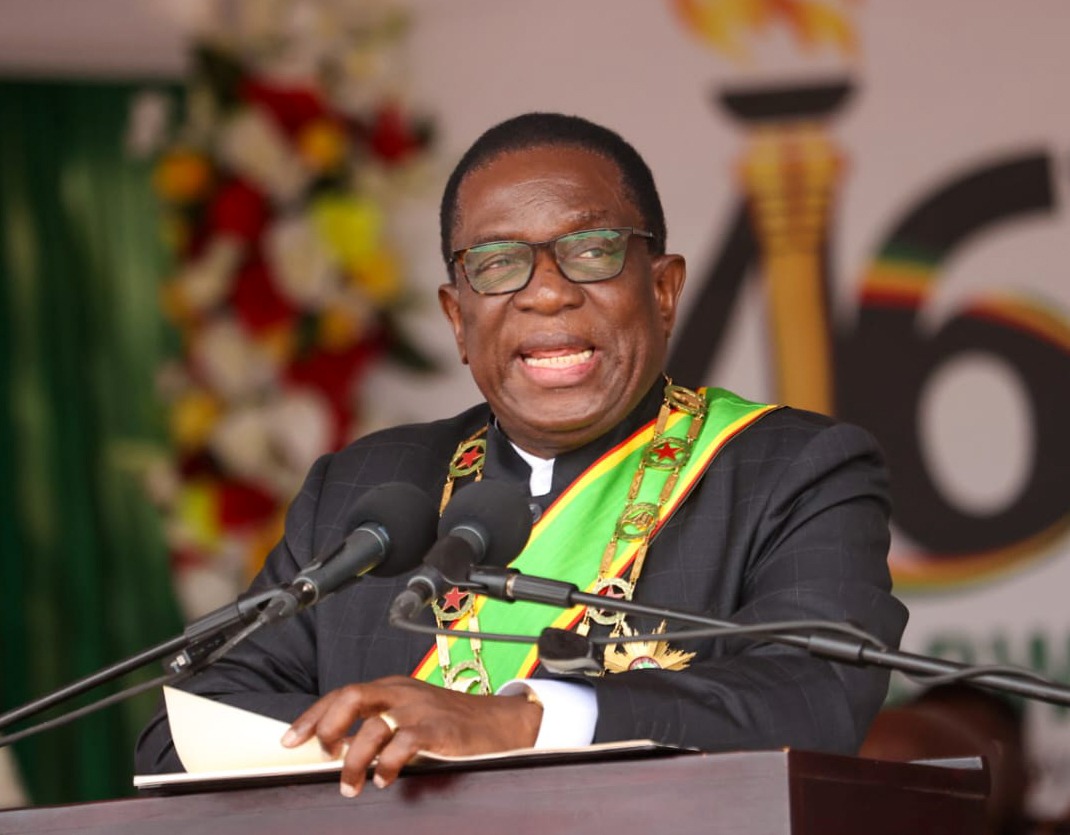
Farirai Machivenyika, Harare Buareau
PRESIDENT MNANGAGWA will on Tuesday outline the Government’s legislative priorities for the coming year when he delivers the State of the Nation Address (SONA) and officially opens the Fourth Session of the 10th Parliament of Zimbabwe.
The third session closed with the historic passage of the Constitutional Amendment Bill (No. 3), which has since been signed into law.
Zanu-PF Chief Whip Cde Pupurai Togarepi said the amendment’s passage was a major legislative feat since the 2013 Constitution.
“The major milestone was the passage of the Constitution of Zimbabwe Amendment No.3 Act of 2026,” he said.
“This was a major legislative achievement since 2013 and was passed by 226 against 41 in the National Assembly and 75 against four in the Senate.”
Cde Togarepi said parliamentary committees produced 54 reports during the session, including 16 on quarterly budget performance by ministries, public petitions and other inquiries.
During the session, he said, Parliament also passed several Bills including the Intra-African Trade Fair Coordinating Office (IATFCO) Entities Hosting Agreement Act the Insurance and Pension Amendment Act and the Medical Services Amendment Act.
Though the Zimbabwe School Examinations Council Bill was passed by the House, it has since been returned to the National Assembly after the President declined to sign it into law.
Parliament, Cde Togarepi said, had fallen short of completing the legislative agenda set out by the President when he opened the Third Session.
“We did not do justice on the legislative agenda that was announced by His Excellency, the President, during his official opening address,” he said.
“Whilst there was some slight improvement compared to previous sessions, we could have done better. Our challenge was that some ministers did not come to pilot their Bills in Parliament.
“Going forward, we need to engage our ministers to ensure there is traction on Bills.”
Opposition Chief Whip Mr Charles Moyo also said the session had been characterised by extensive legislative and committee work but argued that Parliament still faced significant institutional challenges.
“The session was defined by an intensive legislative agenda, heightened public scrutiny and sustained committee activity,” said Mr Moyo.
“Parliament transacted diverse and critical national business, from motions of national importance and questions for oral and written response, to robust public hearings, committee inquiries and the passage of the Finance and Appropriation Bills giving effect to the 2026 National Budget.”
Mr Moyo said eight Bills were passed during the session.
He highlighted the establishment of the Committee for the Future as another significant development.
“A huge and historic milestone of this session was the launch of the Committee for the Future,” he said.
“For the first time, this Parliament has institutionalised foresight.
“This is a committee where experts meet with policymakers to prepare the nation for the future, and undoubtedly, artificial intelligence is going to be used for anticipatory governance ethical technology regulation and long-term national planning.
“The opposition fully embraces this progressive innovation as a huge milestone.”
He, however, said Parliament’s oversight role was being weakened when ministers failed to appear before committees to respond to reports before their adoption.
“Ministers must come and answer to our committee reports before we adopt them, otherwise they are sabotaging our oversight role as enshrined in Section 119 of the Constitution. Oversight is not a favour it is a constitutional mandate,” Mr Moyo said.
He also pointed to a growing legislative backlog and late gazetting of Bills, saying five Bills had received adverse reports from the Parliamentary Legal Committee and remained stalled at committee stage.



 Online Reporter