


 Online Reporter
Moses Magadza and Cleophas Gwakwara
MURAMBINDA residents have called on Parliament to strengthen environmental accountability, decentralise climate governance and ensure fair distribution of climate funds.
They said this on Wednesday during consultations on the Climate Change Management Bill.
The Portfolio Committee on Environment, Climate and Wildlife and the Thematic Committee on Climate Change held their second public hearing at the Better Schools Programme of Zimbabwe Centre in Murambinda, Manicaland province, yesterday.
The hearings are being conducted in line with Section 141 of the Constitution, which enjoins Parliament to consult citizens during law-making processes.
The consultations are supported by the Sweden-funded Sexual and Reproductive Health and Rights (SRHR) Project under the SADC Parliamentary Forum, which seeks to integrate gender, health and rights considerations into climate policies.
Portfolio Committee on Environment, Climate and Wildlife chairperson Mr Samson Matema led the proceedings.
Among many other proposals, the Bill introduces carbon trading, emissions regulation and the mainstreaming of climate action across all sectors and levels of Government.
It also proposes to establish the Climate Change Management Department as the main body for implementing and coordinating national climate change policies.
Overall, the Bill aims to make climate action coordinated, inclusive and sustainable, laying a firm foundation for a low-carbon, climate-resilient Zimbabwe.
The SRHR Project has taken a pragmatic step on climate action, recognising that climate change is increasingly undermining maternal, new born and reproductive health outcomes through extreme weather events such as droughts, floods and heatwaves, which disrupt healthcare services and food security.
The SADC PF (Parliamentary Forum) contends that embedding these priorities within legislation would ensure service continuity, rights protection and equitable access to climate finance for vulnerable populations.
There are expectations that the integration will enable Zimbabwe to better link health, gender equity and climate governance.
Mr Matema said Parliament intends to collect views that will shape the final Bill.
Residents welcomed the Bill as “long overdue” but called for tougher provisions on enforcement and climate justice.
Local councillor Chamunorwa Mudzimu decried the severe environmental degradation caused by some mining operations in Buhera.
He described a landscape where dust, noise pollution and contaminated water had destroyed crops and endangered livelihoods.
Penalties, he said, must be fair, equitable and sensitive to local realities, given that some communities suffer more than others.
He also demanded transparent distribution of climate and carbon funds, saying affected communities must directly benefit from penalties paid by polluters.
Another participant insisted that climate fines must reach communities suffering the consequences of pollution.
Residents urged legislators to promote research, local innovation and sustainable economic opportunities in the Bill.
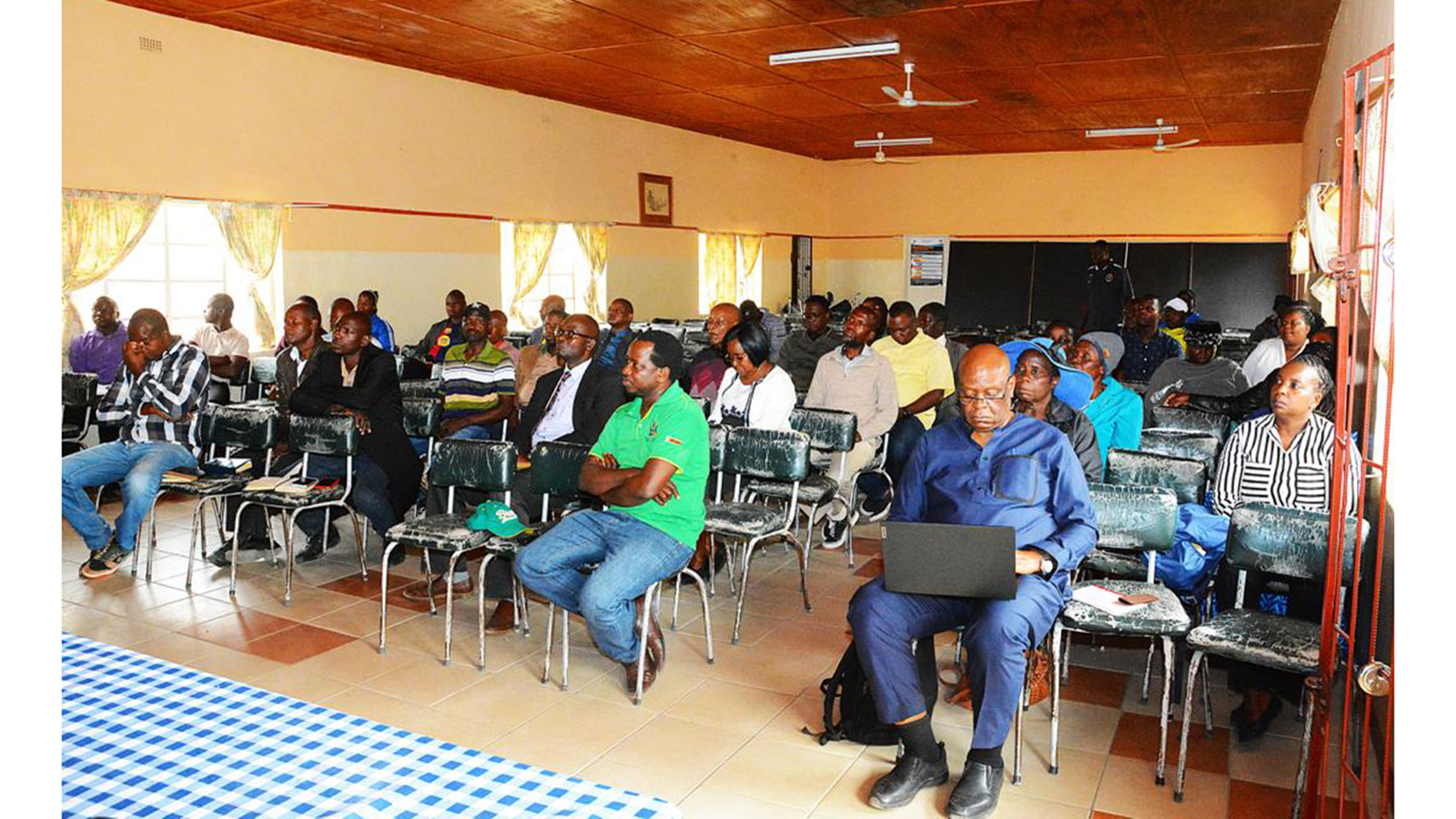
Further, there were calls for fairness and transparency in international climate financing, as well as the decentralisation of enforcement and accountability.
The co-funded SADC PF SRHR Project has highlighted that climate change is worsening maternal and reproductive health outcomes, yet most climate laws ignore SRHR.
It is believed that embedding SRHR in the Bill would protect vulnerable populations, especially women, children and rural communities, from climate-related health risks.
During the hearing, Mr Matema reminded participants of Speaker of the National Assembly Advocate Jacob Mudenda’s recent call for climate justice at the 11th G20 Parliamentary Speakers’ Summit in Cape Town.
Adv Mudenda argued that Africa receives only 12 percent of the climate finance it was promised, calling this not a funding deficit but “a social justice crisis”.
He urged parliaments to demand predictable climate financing and to modernise procurement laws to support low-carbon development.
Mr Matema thanked Murambinda residents for their robust engagement and assured them that their voices would shape the Bill.
“These views strengthen the Bill and make it truly people-driven,” he said.
Parliament will continue holding public hearings in all 10 provinces.



