

 Online Reporter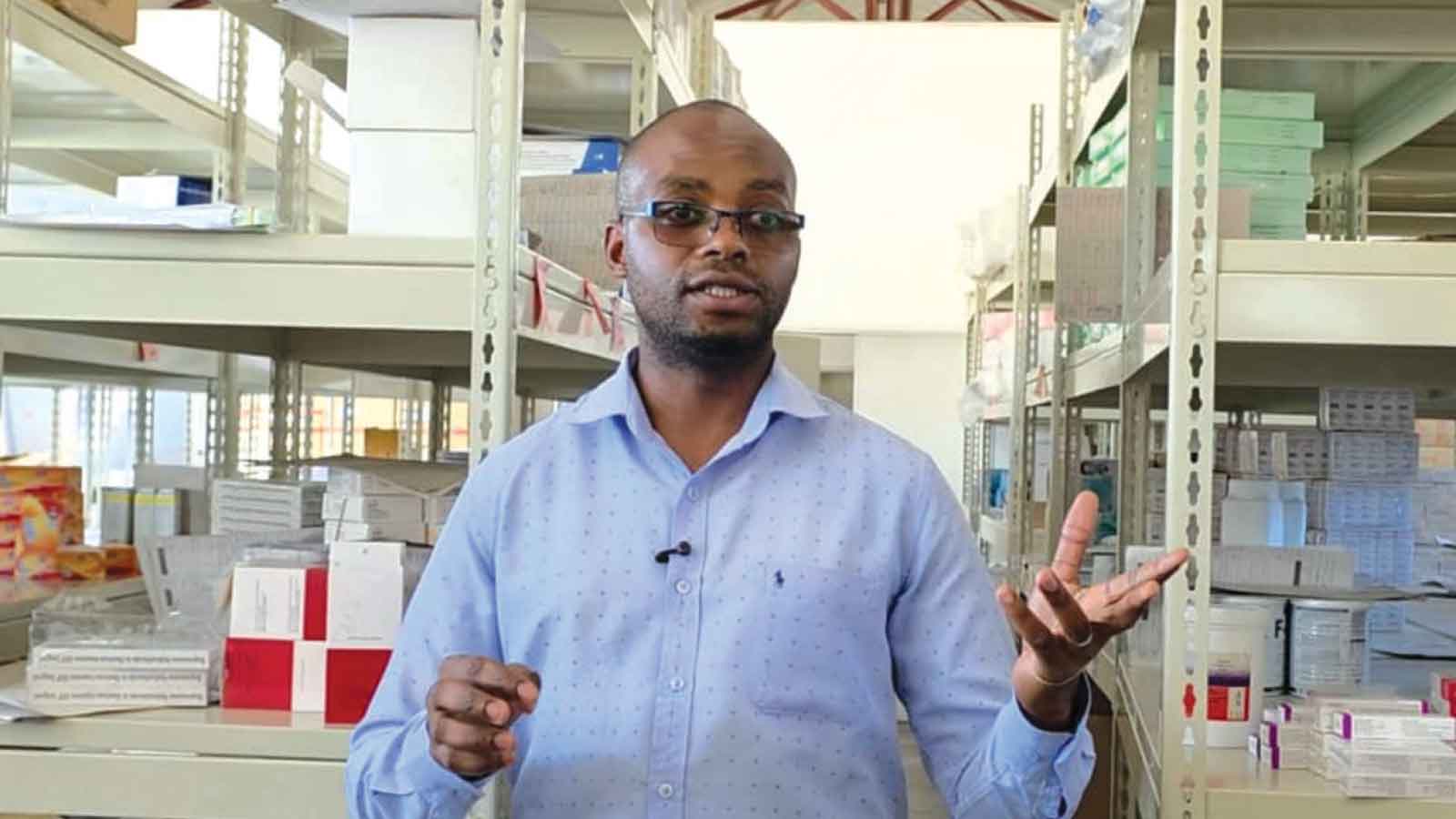
Rumbidzayi Zinyuke in MAHUSEKWA
A FEW years back, a trip to Mahusekwa District Hospital often ended in frustration for 68-year-old Sekuru Ishmael Tandi.
After travelling from his home in the Mushandirapamwe resettlement area, he would patiently queue to see a doctor, receive his prescription, but face disappointment at the pharmacy.
“When we came to the hospital before, we would get a prescription but find that the pharmacy had nothing. You would then have to look for the medicines elsewhere, and that was not easy. Here in Mahusekwa we only had two other pharmacies, so if you didn’t get your prescription there, you would have to travel to Marondera, which was expensive,” he said.
Today, many patients like Sekuru Tandi are now getting all services at the hospital.
This comes as the hospital received a new pharmacy store as part of a broader transformation underway in Zimbabwe’s rural health sector, driven by strengthened partnerships between the Government and development partners that are closing long-standing gaps in service delivery.
Through collaborative investments in infrastructure, medicines, energy and water systems, the Ministry of Health and Child Care, with support from the Global Fund through the United Nations Development Programme (UNDP), is reshaping the capacity of rural health facilities to provide consistent, quality care.
Under the Global Fund’s Covid-19 Response Mechanism (C19RM), Zimbabwe has received over US$180 million since 2020 to support both the pandemic response and broader health systems.
Of this, approximately US$51 million was managed by UNDP, primarily for infrastructure investments, while the remainder was implemented by the Ministry under the malaria grant.
Originally mobilised as an emergency response to COVID-19, these resources have since evolved into one of the most significant health systems strengthening efforts in recent years, targeting critical bottlenecks such as medicine shortages, erratic electricity, limited diagnostics and poor water access.
At the facility level, these investments are already translating into improved service delivery.
Mr Tinashe Bako, a pharmacy technician at Mahusekwa District Hospital, said the construction of a modern pharmacy under the programme has improved medicine storage and availability.
“Before, we were operating from a very small space, which could not accommodate all the medicines and supplies we needed.
“Now we have adequate space to store medicines properly, and this has improved our ability to serve patients consistently,” he said.
Mr Bako said the improved infrastructure had reduced stock-outs and enabled better management of supplies across surrounding clinics.
Marondera District Medical Officer, Dr Donald Makanda, said the impact of the programme was not limited to Mahusekwa, but extended across the district’s 28 health facilities.
Six facilities benefited from new pharmacy infrastructure, while 18 were connected under the Solar for Health initiative.
Dr Makanda said medicine availability had improved, with stock levels now reaching between 70 and 80 percent of required supplies.
“This has strengthened our capacity to deliver services, as medicines can now be stored and distributed more efficiently to all clinics in the district,” he said.
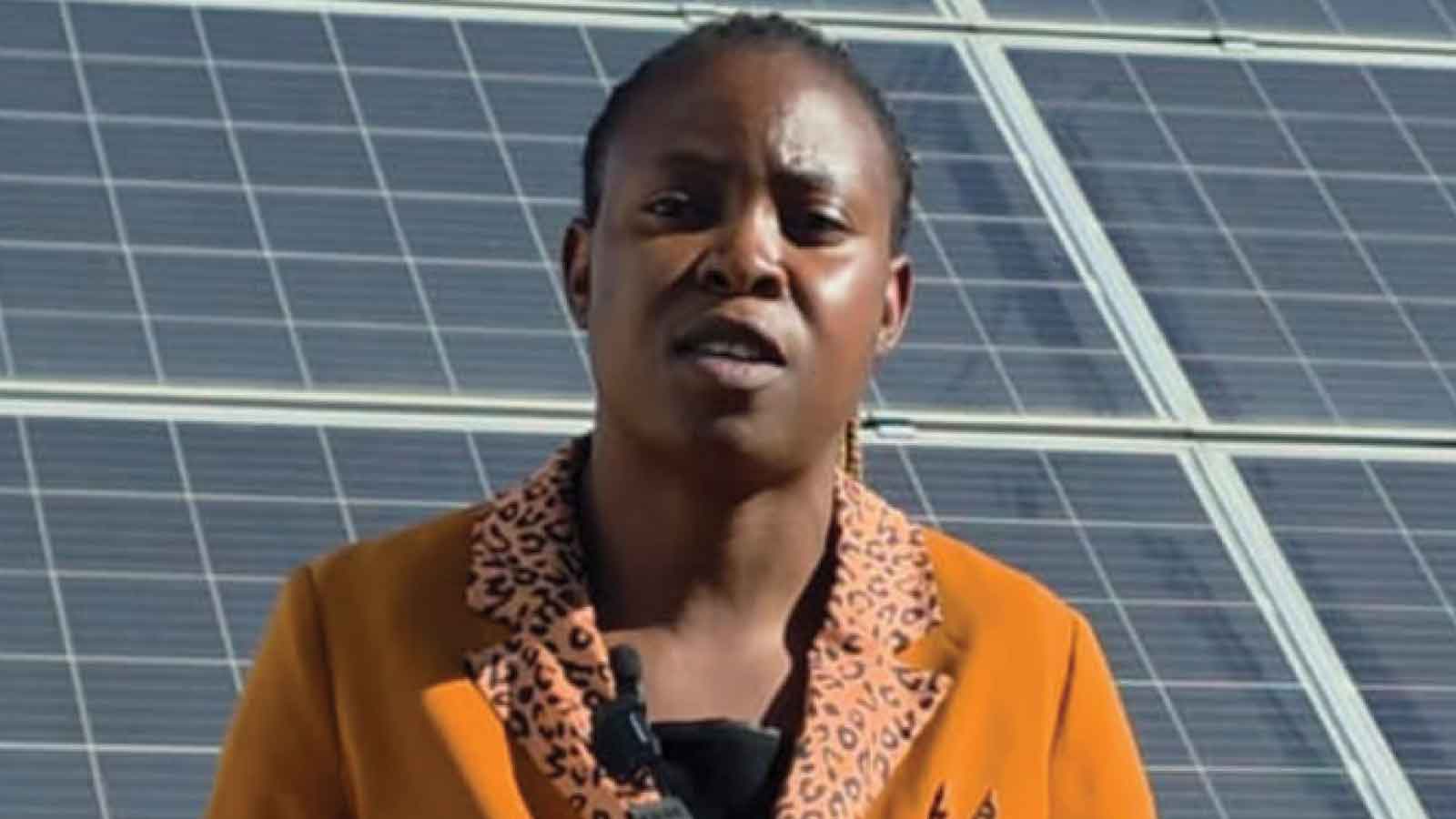
He added that the solarisation of health facilities was helping to address persistent electricity challenges, ensuring continuity of critical services.
UNDP Zimbabwe Resident Representative Dr Ayodele Odusola said the partnership had evolved beyond an emergency response into a long-term strategy for building a resilient and equitable health system.
“This is a partnership that is not only strengthening the health system in Zimbabwe, but also promoting a more resilient and more equitable system.
“It translates global financing into concrete impact on the ground at community level, under the leadership of the Ministry of Health,” he said.
Dr Odusola said the initiative was addressing multiple constraints simultaneously, including water, electricity, diagnostics and waste management, to ensure the sustainability of health services.
“What started as an emergency response has now gone beyond temporary interventions into long-term health development impact,” he said.
Across the country, the programme has delivered hundreds of boreholes to improve water access, constructed pharmacy stores and diagnostic centres, and connected over 200 health facilities to reliable solar power.
For villagers like Mrs Lydia Chikati, these changes are already making a difference in everyday life. “We appreciate the solar system installed at the hospital because we know that when electricity cuts occur, medicines won’t go bad and we will continue to receive health care,” she said.
Her words echo the sentiments of many rural communities, that the health system is becoming more dependable, more accessible and more responsive to their needs.
As Zimbabwe continues to strengthen its health systems through strategic partnerships, the transformation being felt in places like Mahusekwa shows that progress towards universal health coverage is no longer a distant ambition, but a reality steadily taking shape on the ground.



